A field guide for everyone · free & open
Know what grows
near you — and who it feeds.
Look up any native plant and find out whether it belongs where you live, if it causes problems, when it blooms, and which bees and butterflies depend on it.
Native here, invasive there
Status tuned to your region
Who each plant feeds
Pollinators · hosts · conservation
Every fact cited
Open sources · free forever
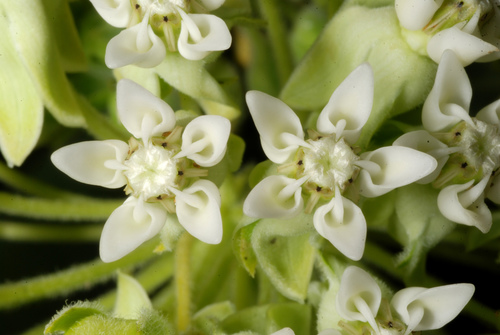
Specimen of the day
Common Milkweed
Asclepias syriaca
Status
Native
Bloom
Jun – Aug
Monarch
Host
Eco value
Conservation spotlight Below recovery target ▾
The eastern monarch needs more milkweed.
Far fewer monarchs are making it through winter than the population needs to recover. Planting native milkweed and late-blooming flowers helps — here are the species that do, from Journey North & Monarch Watch.
Start with these natives
Browse all 31,673 → Native ★ Monarch host plant
Common Milkweed
Asclepias syriaca
●●●●● Jun – Aug
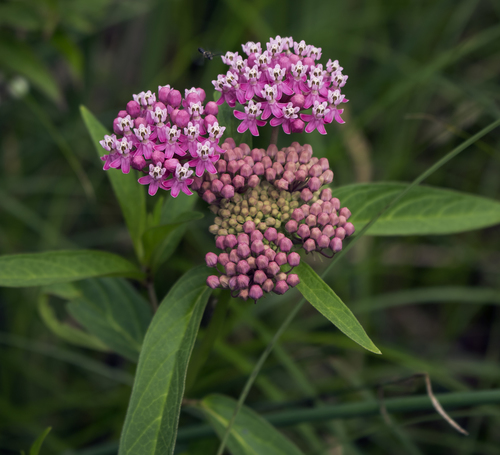
Native ★ Monarch host plant
Swamp Milkweed
Asclepias incarnata
●●●●● Jul – Aug
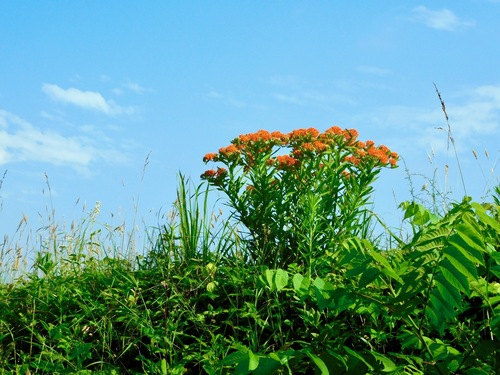
Native ★ Monarch host plant
Butterfly Weed
Asclepias tuberosa
●●●●● Jun – Aug
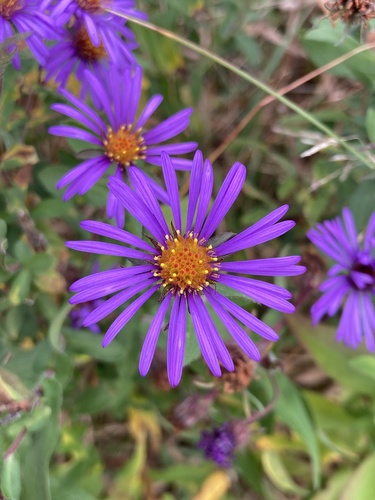
Native ★ Fall fuel
New England Aster
Symphyotrichum novae-angliae
●●●●● Aug – Oct
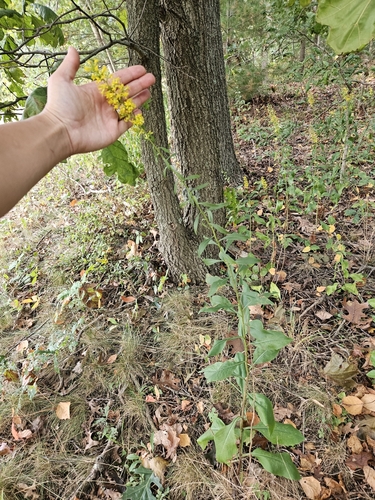
Native
Showy Goldenrod
Solidago speciosa
●●●●● Aug – Oct
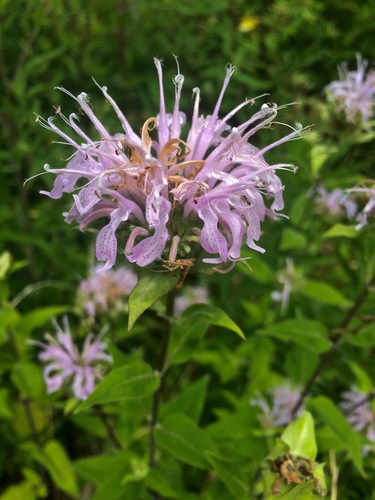
Native
Wild Bergamot
Monarda fistulosa
●●●●○ Jul – Sep
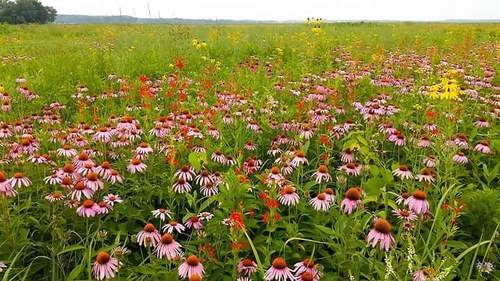
Native
Purple Coneflower
Echinacea purpurea
●●●●○ Jun – Aug
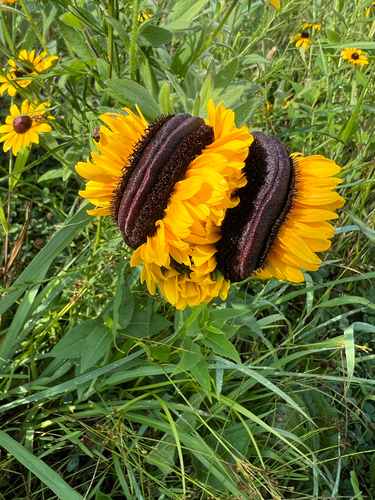
Native
Black-eyed Susan
Rudbeckia hirta
●●●●○ Jun – Sep
No matches — try a different name, or browse all plants →
Where to go deeper
Monarch & pollinator status
Live migration maps and population trends from Journey North & the Xerces Society.
Open trackers →
Native plant finders
Lists of what’s native to your area, from USDA PLANTS and the Lady Bird Johnson Wildflower Center.
Find natives →
Plant a pollinator garden
Free planting guides for your region from Pollinator Partnership & Homegrown National Park.
Get started →