Some natives feed far more wildlife than others.
Every plant gets a 0–5 Ecological Value, built from open records of who depends on it — caterpillar food for butterflies and moths, pollen for specialist bees, and milkweed for monarchs. Here are the natives that do the most in each role — tap a section to see the rest.
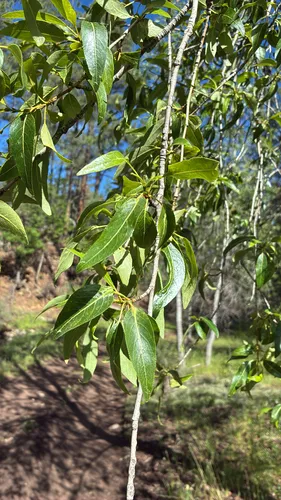
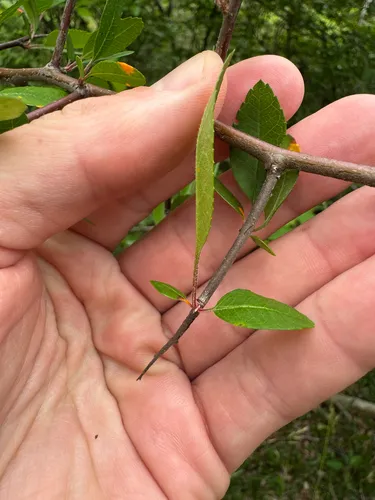
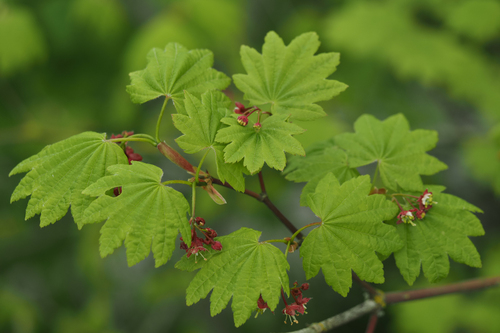
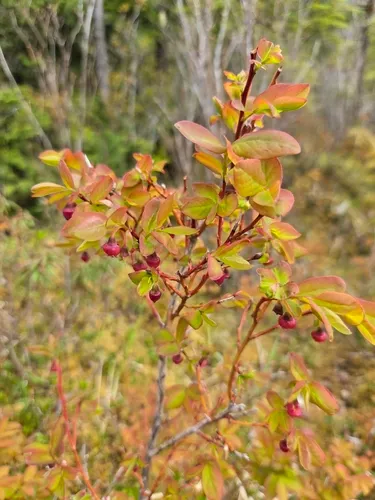
Top caterpillar host genera
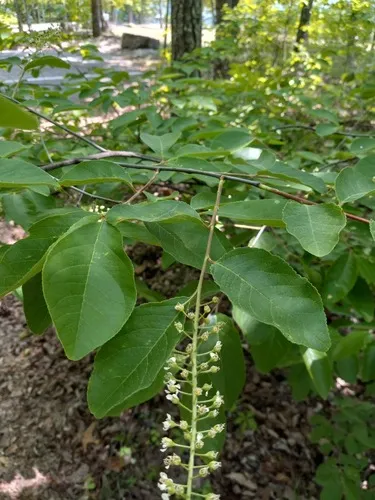
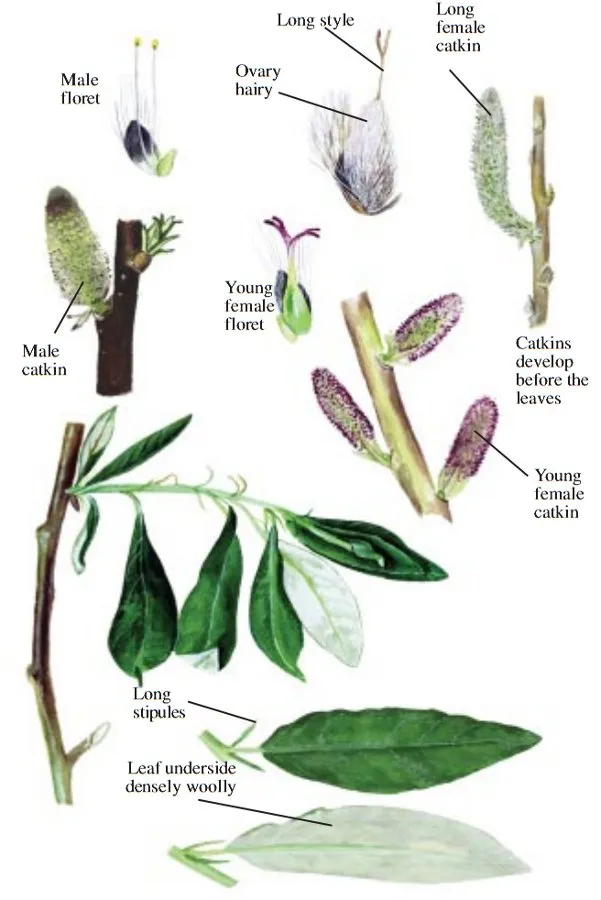
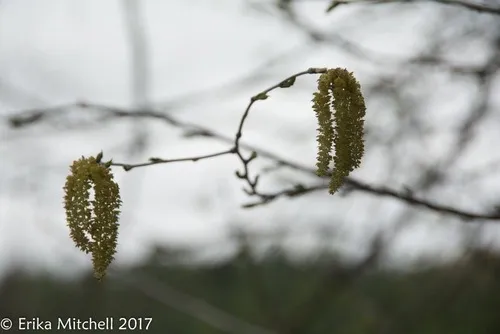
Browse natives by ecological value →Native butterfly & moth caterpillars are the base of the terrestrial food web — more caterpillars mean more songbirds. These genera host the most caterpillar species (Warren II 2026 · Tallamy host-use records, CC0); one native exemplar shown per genus.
A few plant groups do most of the work
caterpillar species hosted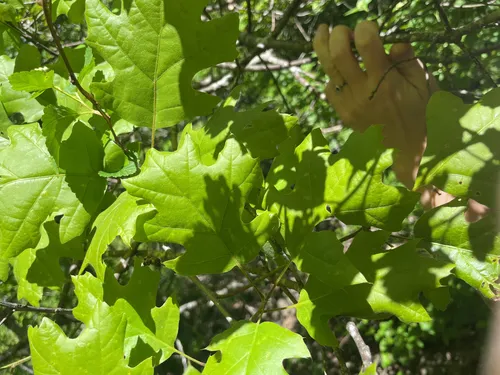
Top specialist-bee host genera
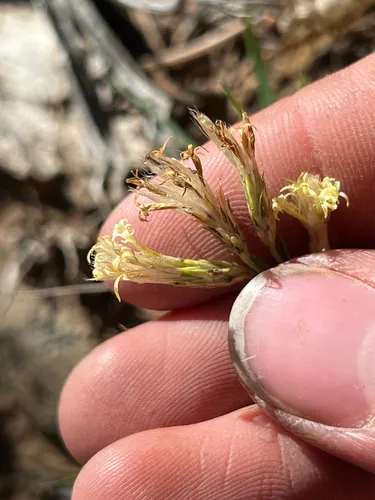
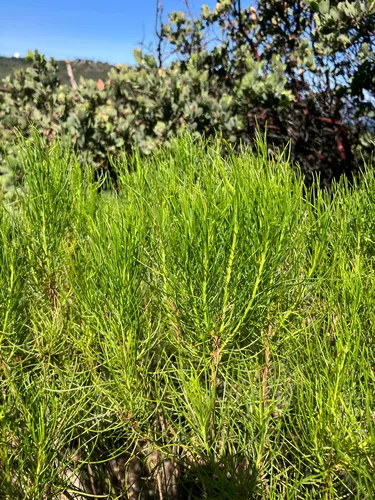
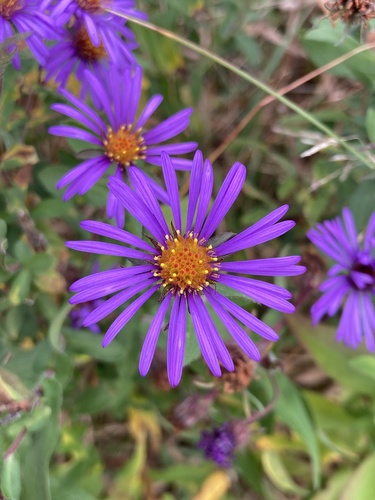
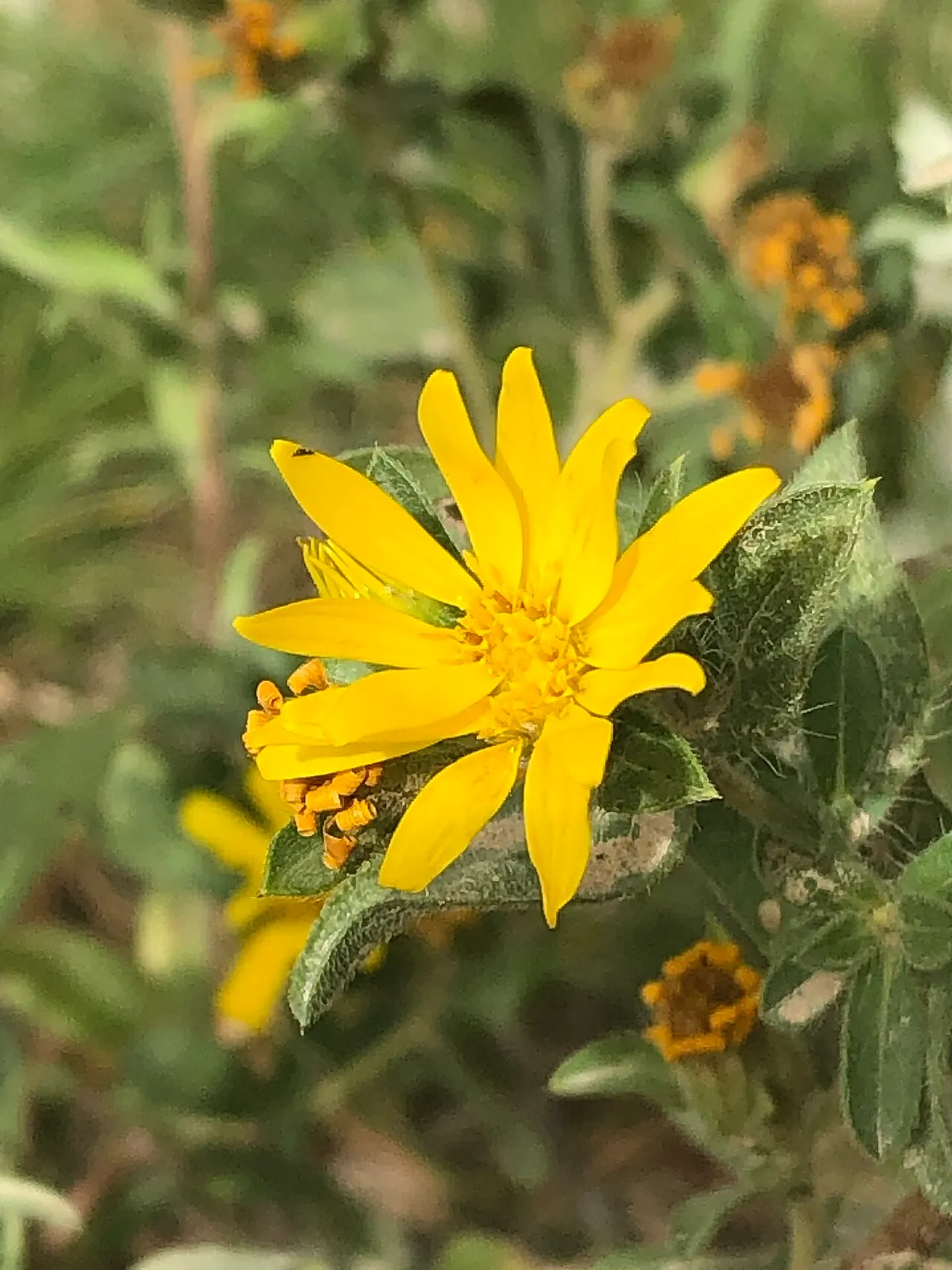
All 9,402 specialist-bee hosts →Pollen-specialist (oligolectic) native bees can only raise young on specific plant genera — lose the plant, lose the bee. From Smith et al. 2024.
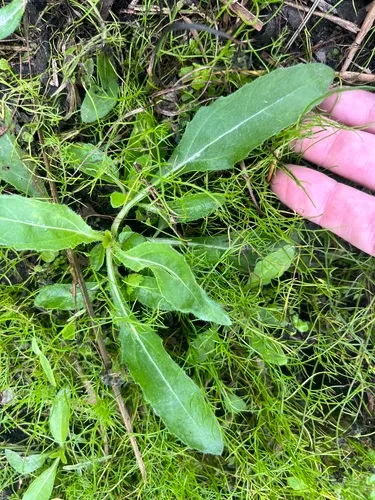
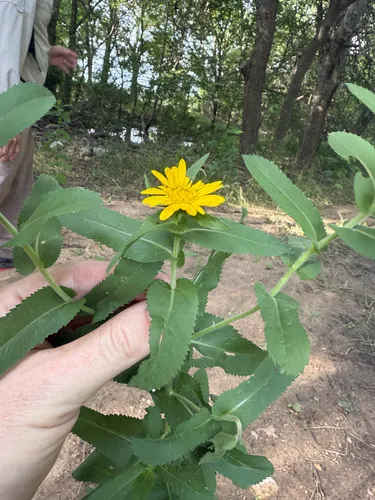
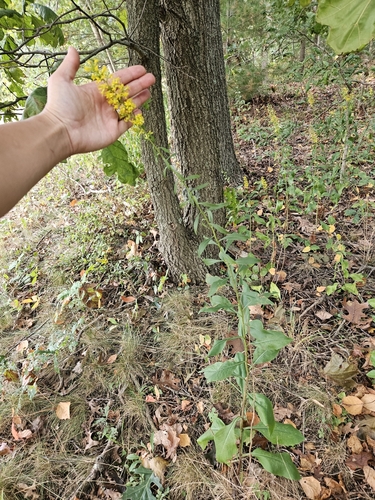
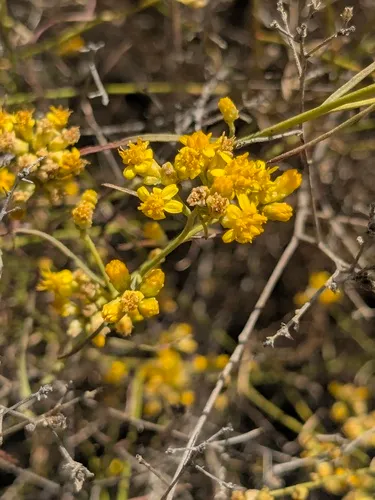
Monarch host plants
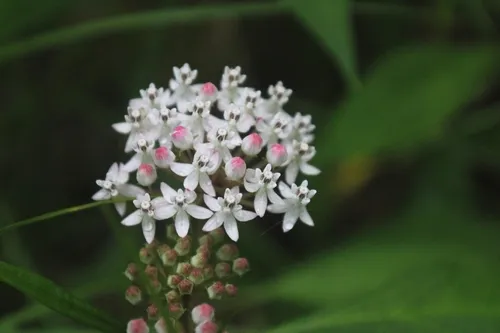
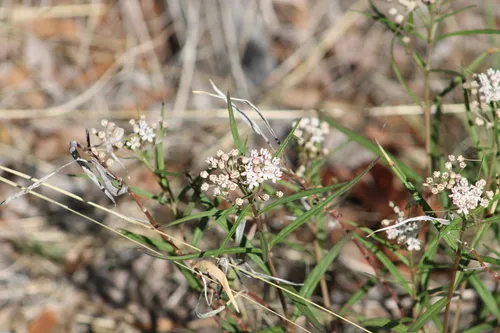
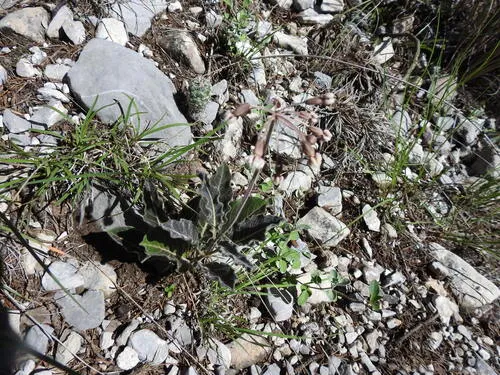
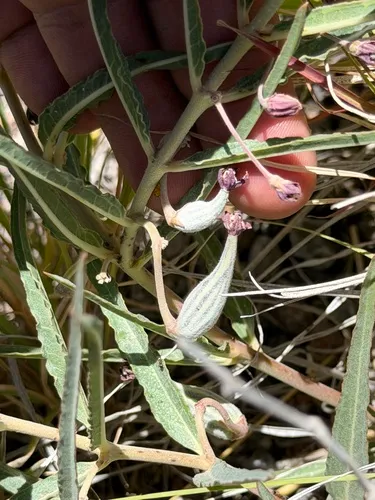
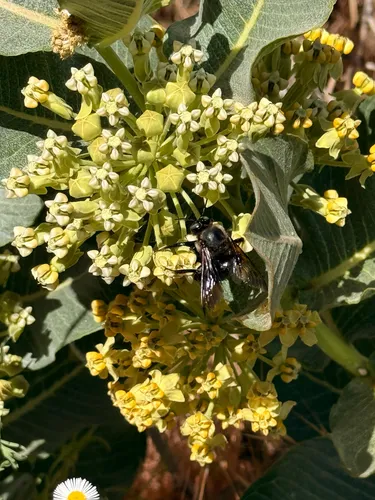
All 110 monarch hosts →Monarch caterpillars eat only milkweed (Asclepias), so planting native milkweed is the single most useful thing you can do for the monarch migration.


How "ecological value" is scored
The headline number is a keystone (host) score — the highest of three things we have open data for (caterpillar host · specialist bees · monarch host). A plant that’s great for even one of them still scores high, and a non-native relative of a keystone plant scores lower. It measures how well a plant feeds wildlife as a host, not how much nectar it offers: a good nectar plant gets its own separate, labelled Flower-visitor value below the headline, so a low keystone number never looks like “low value.” Full rubric + sources on the Data & sources page · 31,673 plants total.