
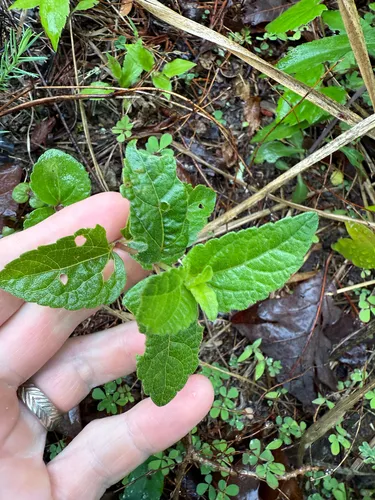
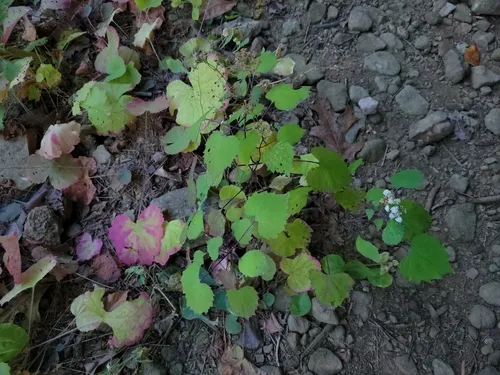
Spreading Snakeroot Ageratina riparia
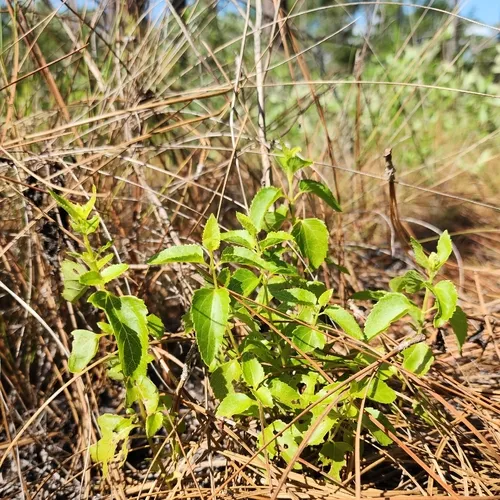
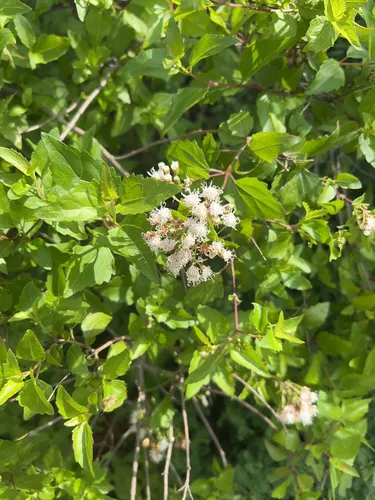
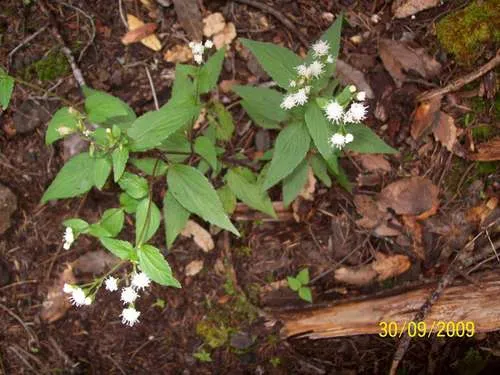
Spreading Snakeroot is an introduced perennial shrub, found in Hawaii. It grows to 2.6 ft.
More about this plant
Ageratina riparia, commonly known as mistflower, is a species of flowering plant in the family Asteraceae, native to Mexico. The species is widely adventive and has spread to Cuba, Jamaica, and other parts of the Caribbean. It has also been introduced as an ornamental plant and naturalized in a variety of regions, including parts of Hawaii, South Africa, Southeast Asia, Macaronesia, Oceania, Peru, and the Indian subcontinent. In tropical climates, A. riparia is highly invasive and a variety of control methods have been developed to reduce its spread. Wikipedia →
Spreading Snakeroot is flagged invasive in the U.S. These natives fill a similar niche — same growth habit, bloom season, height, and region — so you keep the look and feed local wildlife instead of spreading a problem.
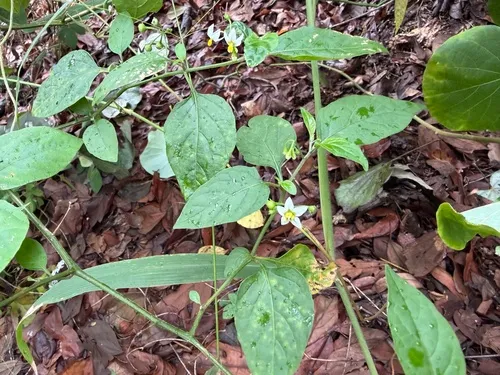
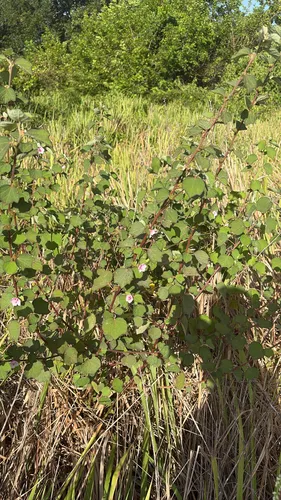
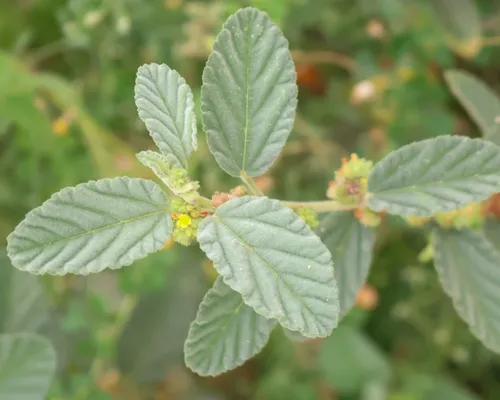
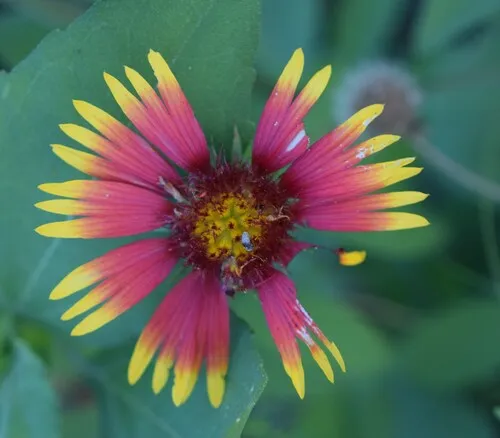
Growing & care
USDA PLANTS · TRY- Height
- 2.6 ft
- Lifespan
- Perennial
- Foliage
- Evergreen broadleaf
Wildlife & pollinators
How pollinator value is scored →❧ Caterpillar hosts ~5 caterpillar species
Ageratina supports ~5 caterpillar species.
Native butterfly & moth caterpillars are the base of the terrestrial food web — most songbirds rear their young almost entirely on them. As a host for native Lepidoptera this is a modest genus.
Recorded feeding on Ageratina in North America, including:


+ 2 more species → ↑ show fewer

Wildlife & visitors 1 nectaring
Open records of who else uses Spreading Snakeroot — a generalist food-web signal, kept separate from the keystone Ecological Value.
1 adult butterfly & moth species is recorded nectaring at its flowers:

Related plants
More Ageratina →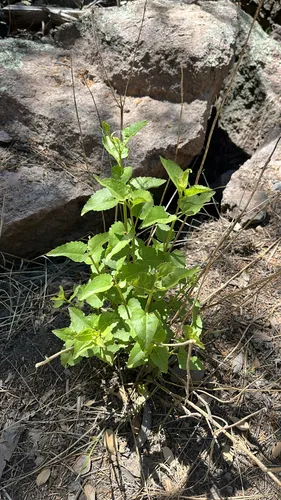
How we know this (1) Methods & honest limits
We read each species’ measured specific leaf area (leaf area per unit dry weight) from the Global Spectrum dataset and band it: thin & fast (high SLA), medium, or thick & tough (low SLA). The global median is about 10 mm²/mg.
Honest limits: A species-mean from pooled measurements — individual plants vary with light and site. A broad strategy signal, not a precise per-plant figure.
Sources for this entry (16) Open & cited
Cite this page Open data, please attribute
PlantKey’s data is open under CC BY-SA 4.0 — free to reuse and adapt, with attribution and the same licence. Photos keep their own per-image licence + credit (see Sources above).
Loading…
BibTeX
Loading…