PlantKey Open ecological atlas
Planner
Home / Browse / Albizia / Tall Albizia
iNaturalist — CC, credited & licensed per image
Fabaceae family

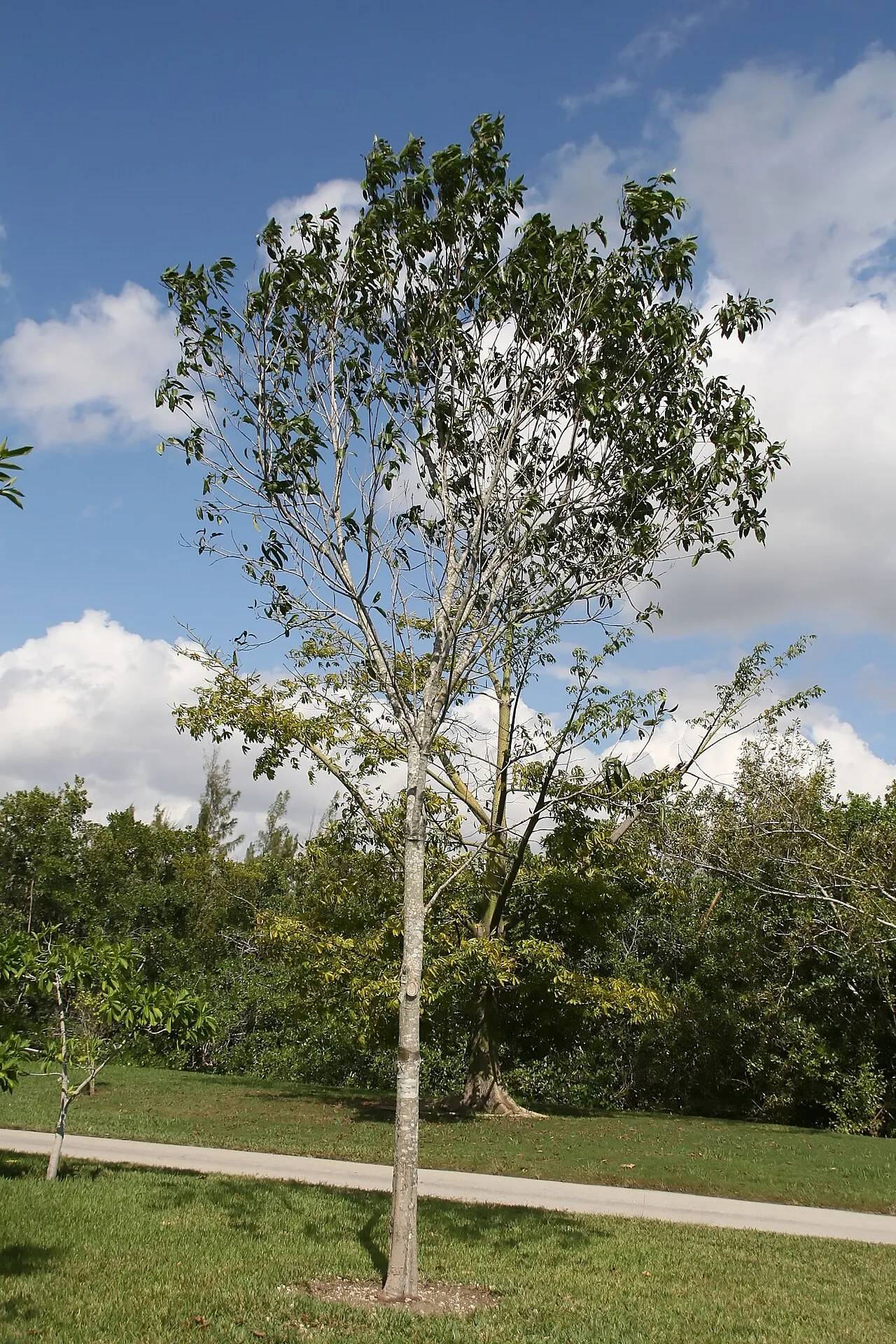
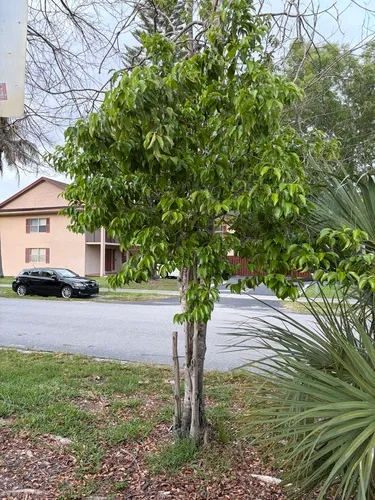
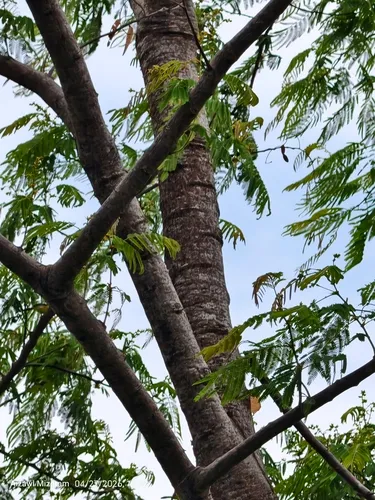
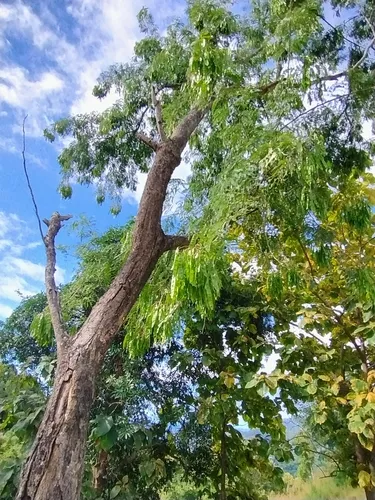
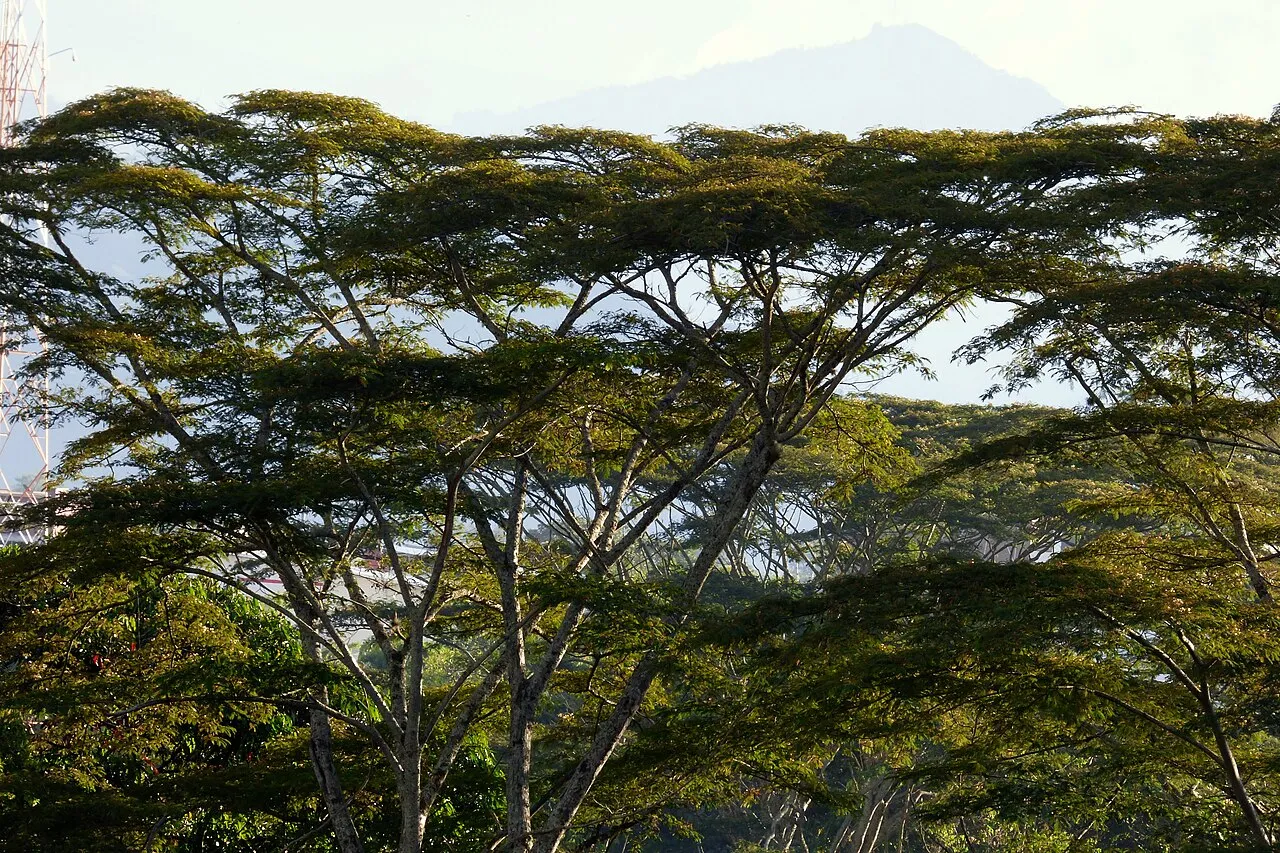
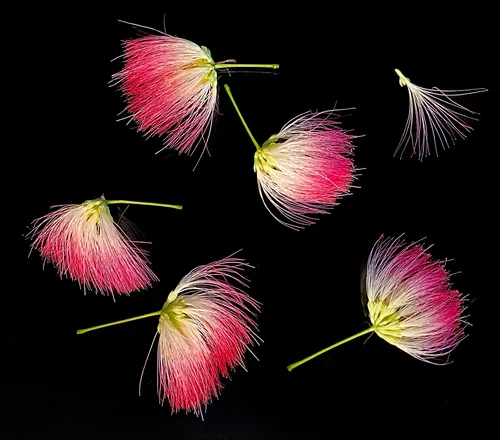
Tall Albizia Albizia procera

Tall Albizia is an introduced perennial tree, found in the lower 48 states and Puerto Rico. It grows to 82 ft.

More about this plant

Albizia procera, commonly known as white siris or karoi tree, is a species of large tree found natively in southeast Asia and India. It is most commonly found in open forests, but may also be found on the margins of rain forests and in monsoon and gallery forests. It is considered an invasive species in South Africa. Wikipedia →

⚠ Invasive here — plant a native instead USDA + GBIF

Tall Albizia is flagged invasive in the U.S. These natives fill a similar niche — same growth habit, bloom season, height, and region — so you keep the look and feed local wildlife instead of spreading a problem.
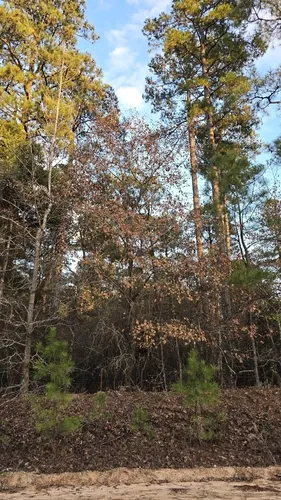
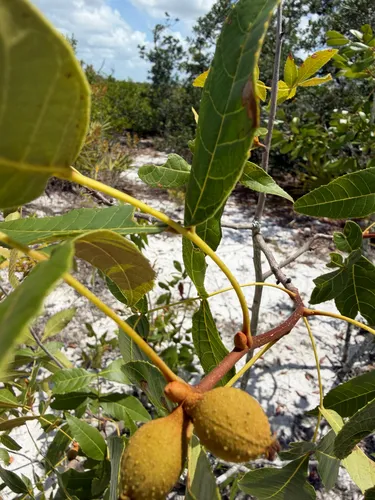
Matched on growth habit · bloom months · mature height · shared U.S. range (USDA + GBIF) — a starting point, not a prescription.

Growing & care

USDA PLANTS · TRY
Conditions
Sources · Conditions
Cold hardiness (derived) — Hardiness
Hardiness
≥ zone 11 derived from its U.S. range
Size & form
Sources · Size & form
TRY Plant Trait Database (CC BY 4.0) — Height · Foliage
Tallo — Jucker et al. 2025 (CC BY 4.0) — wild crown width — Mature width
USDA PLANTS — Lifespan
Height
82 ft
Mature width
≈ 14 ft wide wild/forest-grown — open-grown specimens spread wider
Lifespan
Perennial
Foliage
Deciduous broadleaf
In the garden
Canopy layer — Sits in the canopy of a layered food forest or polyculture.Open guide →
Nitrogen fixer — Fixes atmospheric nitrogen through root-nodule bacteria — builds soil fertility for itself and its neighbours, cutting fertiliser need.Open guide →
derived roles
Species characteristics from USDA PLANTS (public domain) + TRY (CC BY) — general guidance, not a guarantee for your exact site. Deer "browsing" is documented palatability, not a deer-proof claim.

Wildlife & pollinators

How pollinator value is scored →
❧ Caterpillar hosts ~5 caterpillar species

Albizia supports ~5 caterpillar species.

Native butterfly & moth caterpillars are the base of the terrestrial food web — most songbirds rear their young almost entirely on them. As a host for native Lepidoptera this is a modest genus for introduced plants — native genera typically support far more.

Keystone count (genus-level) from Warren II 2026 (CC0) · Tallamy host-use records. Named species (a documented Nearctic sample, not exhaustive) from NHM HOSTS (CC0).
Species thumbnails re-hosted from iNaturalist — Creative Commons, credited per image (hover for credit). Click any species to see it on iNaturalist. Not exhaustive; many taxa have no openly-licensed photo yet.
How we know this (1) Methods & honest limits
Photosynthesis Direct fact

A recorded categorical fact: each species is tagged C3 (standard), C4 (heat/water-efficient) or CAM (succulent, night-time CO₂ uptake) — or a facultative combination. We only show a trait card for the noteworthy C4/CAM cases; C3 is the unremarkable majority, kept in the data but not surfaced as a card.

Kattge, J. et al. TRY plant trait database — Categorical Traits Dataset (2012).
Derived values are computed from open data by a published method — labelled, cited, and never shown as a direct observation. Full methodology →
Sources for this entry (20) Open & cited
[01] Scientific name & family — USDA PLANTS (DwCA, Zenodo 17903503)
[02] Growth habit & duration — USDA PLANTS (DwCA, Zenodo 17903503)
[03] Native status & distribution — USDA PLANTS (DwCA, Zenodo 17903503)
[04] Common name — USDA PLANTS (via GBIF)
[05] Invasive / introduced status — US-RIIS v2.0 (USGS)
[07] Description — Wikipedia (CC BY-SA)
[08] Ecological value — Warren II 2026 (CC0) · Tallamy host-use counts
[11] Functional traits — TRY Plant Trait Database (CC BY 4.0)
[12] Photosynthetic pathway — TRY Plant Trait Database (CC BY 4.0)
[13] Cold hardiness (derived) — Derived from U.S. range × USDA PHZM zones
[15] Nitrogen fixation — Werner et al. 2014 (Dryad, CC0)
[18] Caterpillar host count — Warren II 2026 (Dryad, CC0) · Tallamy host-use counts
[19] Caterpillar species — NHM HOSTS (CC0)
[20] County range — GBIF Open Data — open-licensed occurrences (CC0/CC-BY) → county
Spot an error or have a better photo? Every field links to its source, and the whole dataset is open.
Cite this page Open data, please attribute

PlantKey’s data is open under CC BY-SA 4.0 — free to reuse and adapt, with attribution and the same licence. Photos keep their own per-image licence + credit (see Sources above).

Citation

Loading…

BibTeX
Loading…