
Sitka Alder (subsp. sinuata) Alnus viridis subsp. sinuata subspecies
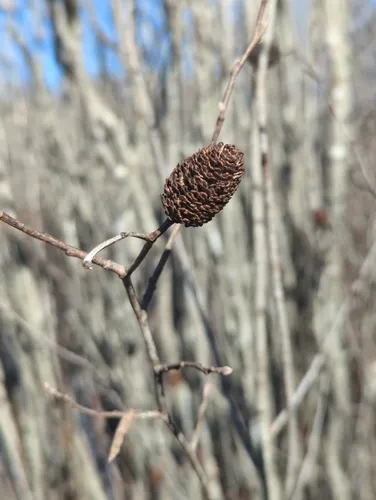
Sitka Alder (subsp. sinuata) is a perennial tree native to Alaska, Canada, and the lower 48 states. It grows to 16 ft and blooms Jul in full sun – part shade, with brown fruit. A keystone plant for native insects and the food web.
More about this plant
Alnus alnobetula, the green alder, is a common shrub or small tree widespread across much of Europe, Asia, and North America. Many sources refer to it as Alnus viridis but this is a later name, synonymous with Alnus alnobetula subsp. alnobetula. The species was first described by Jakob Friedrich Ehrhart in 1783 as Betula alnobetula, while the name viridis was first used later, as Betula viridis, in 1785. Wikipedia →
Growing & care
USDA PLANTS · TRY- Sun
- Full sun – part shade
- Soil & moisture
- High moisture
- Soil pH
- 5–7.5
- Fertility need
- Low
- Adapts to
- Coarse (sandy), Medium (loam)
- Hardiness
- USDA zone 3+
- Drought tolerance
- Low
- Shade tolerance
- Low
- Wet-soil tolerance
- Moderate waterlogging
- Height
- 16 ft
- Mature width
- ~ 13 ft wide DERIVED derived estimate — open-grown crown allometry (height × growth-form ratio); not a measurement
- Spacing
- 6–10 ft apart from USDA planting density
- Spread
- None — clumping
- Growth rate
- Slow
- Growth form
- Multiple stems
- Lifespan
- Perennial · long-lived
- Foliage
- medium texture
- Active growth
- Spring & summer
- Fruit
- Brown
- Propagate by
- Seed, Bare root, Container
- Seed starting
- Needs cold stratification a cold-moist spell before it germinates
- Seeds ripen
- Summer – Autumn seed-collection / harvest window
- In the trade
- Routinely available
- Deer browsing
- Low often deer-resistant
- Resprouts if cut
- Yes regrows after top-kill
Sow timing keys off your local last- and first-frost dates.
Wildlife & pollinators
How pollinator value is scored →❧ Caterpillar hosts ~255 caterpillar species · keystone genus
Alnus supports ~255 caterpillar species.
Native butterfly & moth caterpillars are the base of the terrestrial food web — most songbirds rear their young almost entirely on them. As a host for native Lepidoptera this is a powerhouse genus.
Recorded feeding on Alnus in North America, including:


+ 8 more species → ↑ show fewer


Related plants
More Alnus →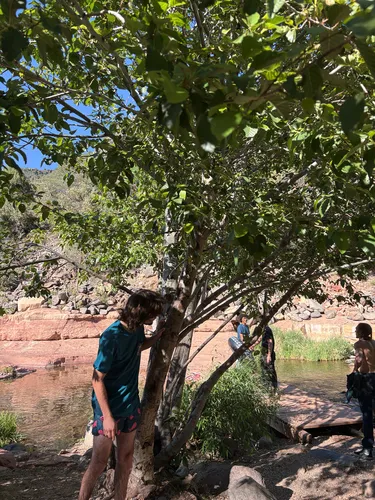
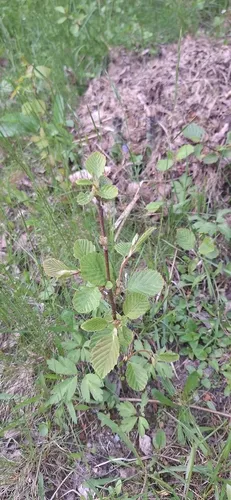
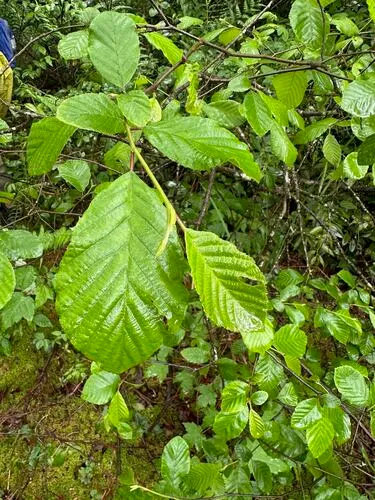
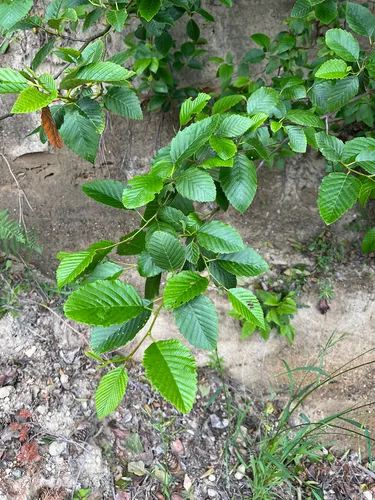
How we know this (1) Methods & honest limits
For woody plants that have a height but no measured crown, we estimate width = height × a crown-to-height ratio fit for that plant’s form (conifers narrower than broadleaf trees, shrubs widest), calibrated on our measured open-grown crowns and capped at the largest one ever measured. A measured crown always wins; herbaceous plants get nothing (no anchor).
Honest limits: A coarse class-median estimate for garden-scale spacing, not a measurement; woody single/multi-stem forms only.
Sources for this entry (26) Open & cited
Cite this page Open data, please attribute
PlantKey’s data is open under CC BY-SA 4.0 — free to reuse and adapt, with attribution and the same licence. Photos keep their own per-image licence + credit (see Sources above).
Loading…
BibTeX
Loading…