
Sea Torchwood Amyris elemifera
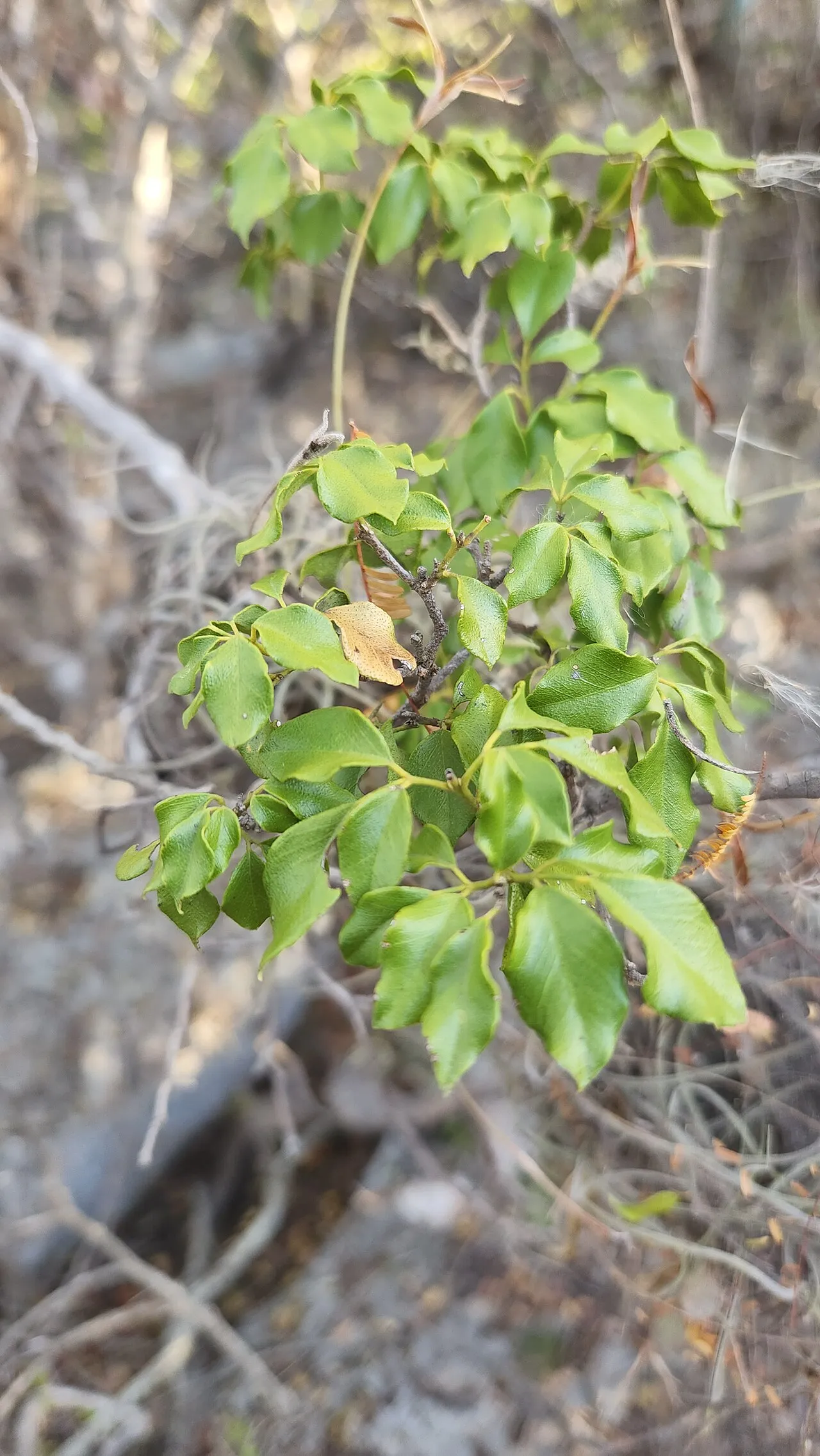
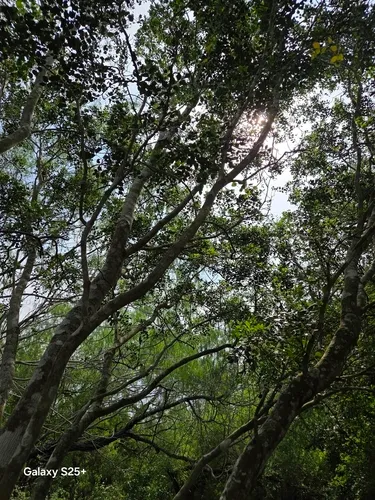
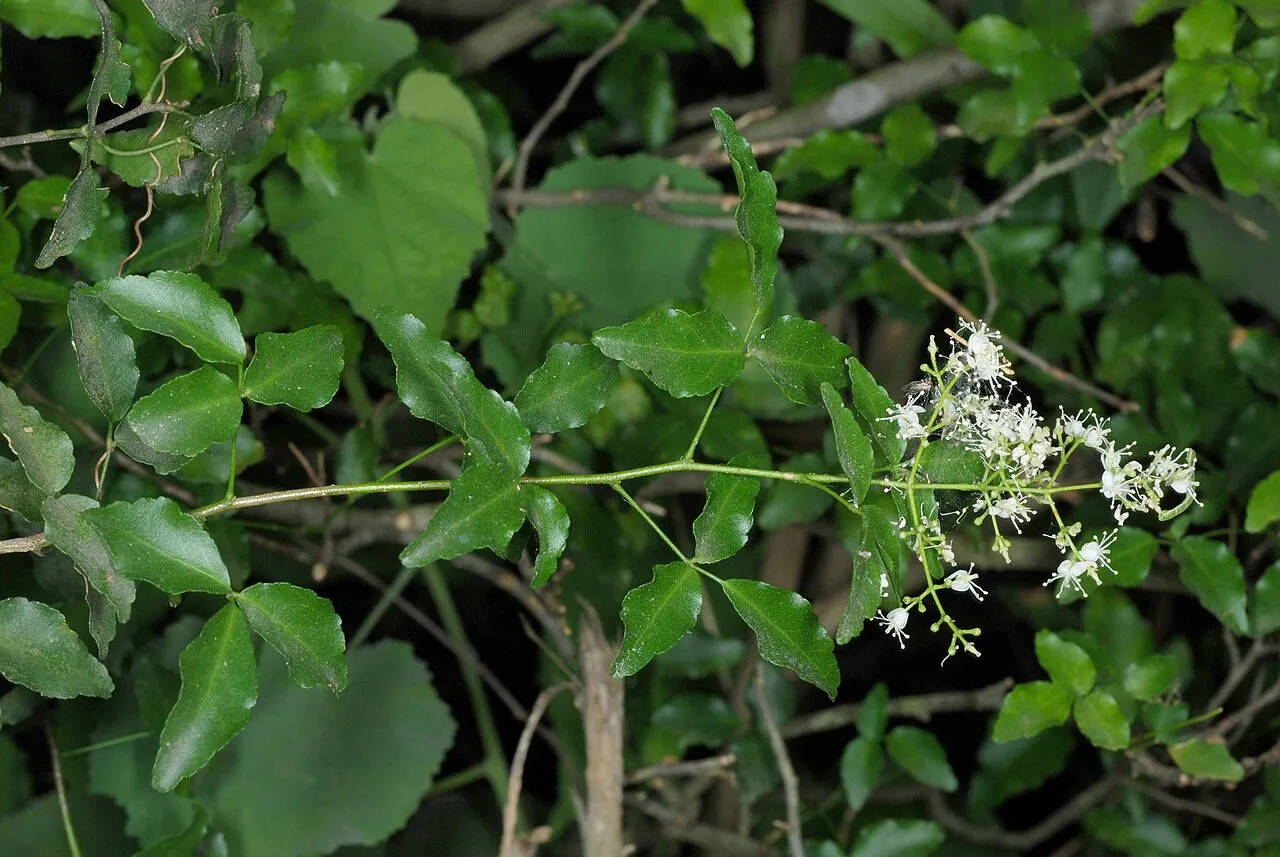
Sea Torchwood is a perennial tree native to the lower 48 states, Puerto Rico, and the U.S. Virgin Islands. It grows to 16 ft and blooms Feb – Dec in full sun, with purple fruit.
More about this plant
Amyris elemifera is an evergreen species of flowering plant in the citrus family, Rutaceae, commonly named sea torchwood, smooth torchwood, candlewood, sea amyris, tea, cuabilla, and bois chandelle. It is native to Florida in the United States, the Caribbean, and the Central American countries of Guatemala, Belize, Honduras, and El Salvador. It is also known from northern South America. The species name elemifera is from the Greek, meaning "resin bearing". Wikipedia →
Growing & care
USDA PLANTS · TRY- Sun
- Full sun
- Soil & moisture
- Low moisture
- Soil pH
- 6–8.5
- Fertility need
- Low
- Adapts to
- Coarse (sandy), Medium (loam)
- Hardiness
- USDA zone 9+
- Height
- 16 ft
- Spacing
- 8–12 ft apart from USDA planting density
- Growth rate
- Moderate
- Growth form
- Single crown
- Lifespan
- Perennial · long-lived
- Foliage
- Evergreen broadleaf · medium texture
- Active growth
- Autumn
- Fruit
- Purple
- Propagate by
- Seed, Bare root, Container
- Seed starting
- No stratification needed
- Seeds ripen
- Year-round seed-collection / harvest window
- Deer browsing
- Low often deer-resistant
- Resprouts if cut
- No
Sow timing keys off your local last- and first-frost dates.
Wildlife & pollinators
How pollinator value is scored →❧ Caterpillar hosts Documented caterpillar host
Recorded feeding on Amyris in North America, including:
Related plants
More Amyris →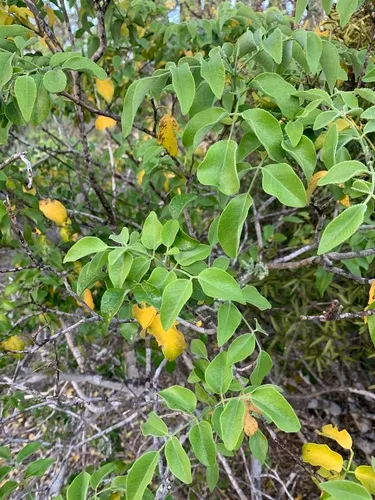
How we know this (2) Methods & honest limits
A recorded categorical fact: each species is tagged C3 (standard), C4 (heat/water-efficient) or CAM (succulent, night-time CO₂ uptake) — or a facultative combination. We only show a trait card for the noteworthy C4/CAM cases; C3 is the unremarkable majority, kept in the data but not surfaced as a card.
We take the plant’s U.S. county range and look up each county’s long-term climate, then summarise: native rainfall = the median annual rainfall across its counties; heat tolerance = the warm end (90th percentile) of average temperature across its range (mirroring how our cold-hardiness floor uses an extreme). Counties + medians blunt the roadside/observer bias that makes point-level climate unreliable. Needs at least five placeable counties.
Honest limits: A realized, sampling-biased niche (where it has been recorded, not its physiological optimum), and county climate is coarse — large Western counties span deserts and mountains. Derived guide, never a measured fact.
Sources for this entry (30) Open & cited
Cite this page Open data, please attribute
PlantKey’s data is open under CC BY-SA 4.0 — free to reuse and adapt, with attribution and the same licence. Photos keep their own per-image licence + credit (see Sources above).
Loading…
BibTeX
Loading…