
Scarlet Pimpernel (subsp. arvensis) Anagallis arvensis subsp. arvensis subspecies
Scarlet Pimpernel (subsp. arvensis) is an introduced annual herb, found in Canada, Greenland, and Hawaii.
More about this plant
Lysimachia arvensis, syn. Anagallis arvensis, commonly known as scarlet pimpernel, red pimpernel, red chickweed, poor man's barometer, poor man's weather-glass, shepherd's weather glass or shepherd's clock, is a species of low-growing annual plant with brightly coloured flowers, most often scarlet but also bright blue and sometimes pink. The native range of the species is Europe and Western Asia and North Africa. The species has been distributed widely by humans, either deliberately as an ornamental flower or accidentally. L. arvensis is now naturalised almost worldwide, with a range that encompasses the Americas, Central and East Asia, the Indian subcontinent, Malesia, the Pacific Islands, Australasia and Southern Africa. Wikipedia →
Growing & care
USDA PLANTS · TRY- Hardiness
- ≥ zone 5 derived from its U.S. range
- Lifespan
- Annual
Wildlife & pollinators
How pollinator value is scored →❧ Caterpillar hosts ~2 caterpillar species
Anagallis supports ~2 caterpillar species.
Native butterfly & moth caterpillars are the base of the terrestrial food web — most songbirds rear their young almost entirely on them. As a host for native Lepidoptera this is a modest genus.
Recorded feeding on Anagallis in North America, including:

Related plants
More Anagallis →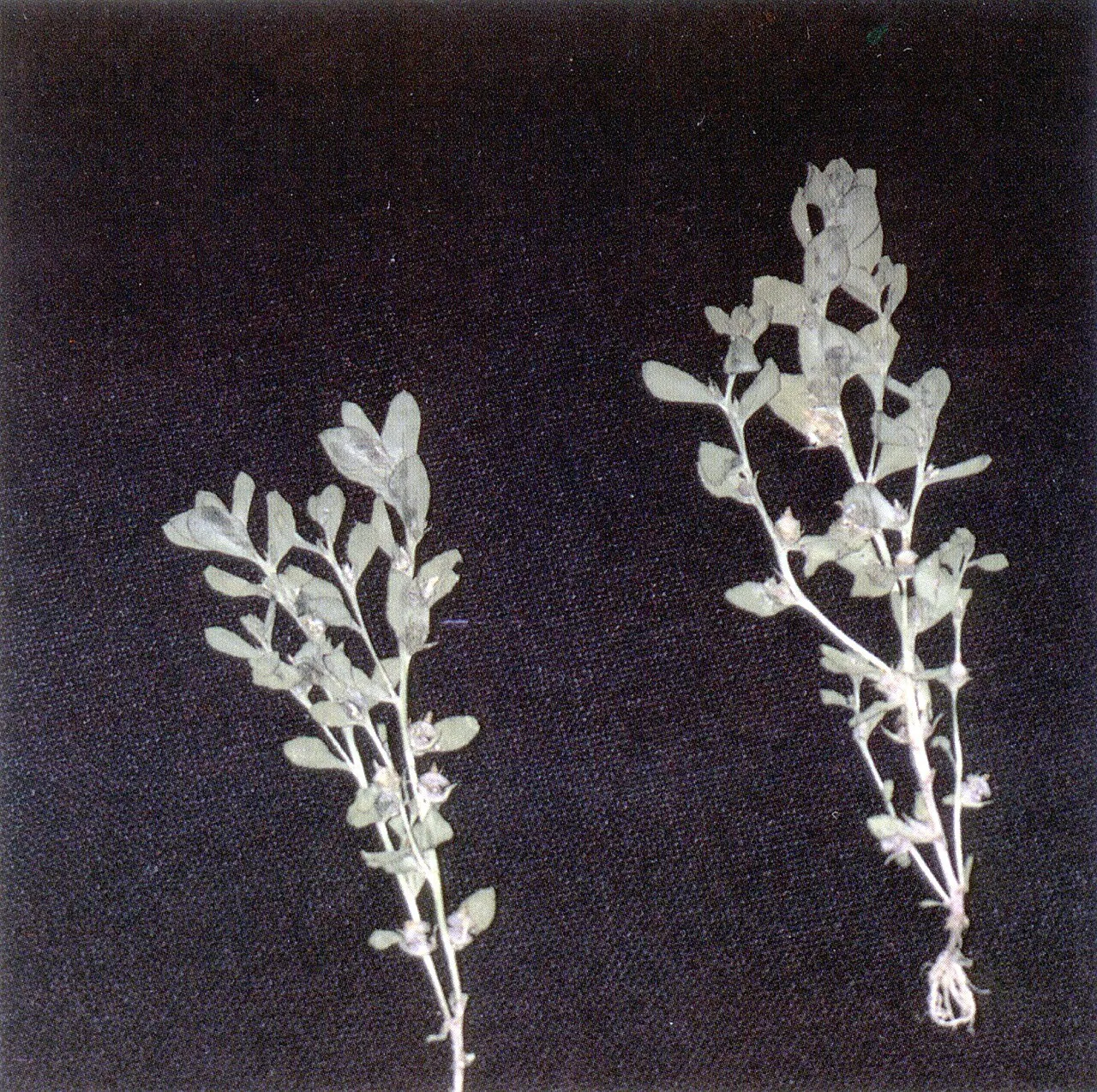
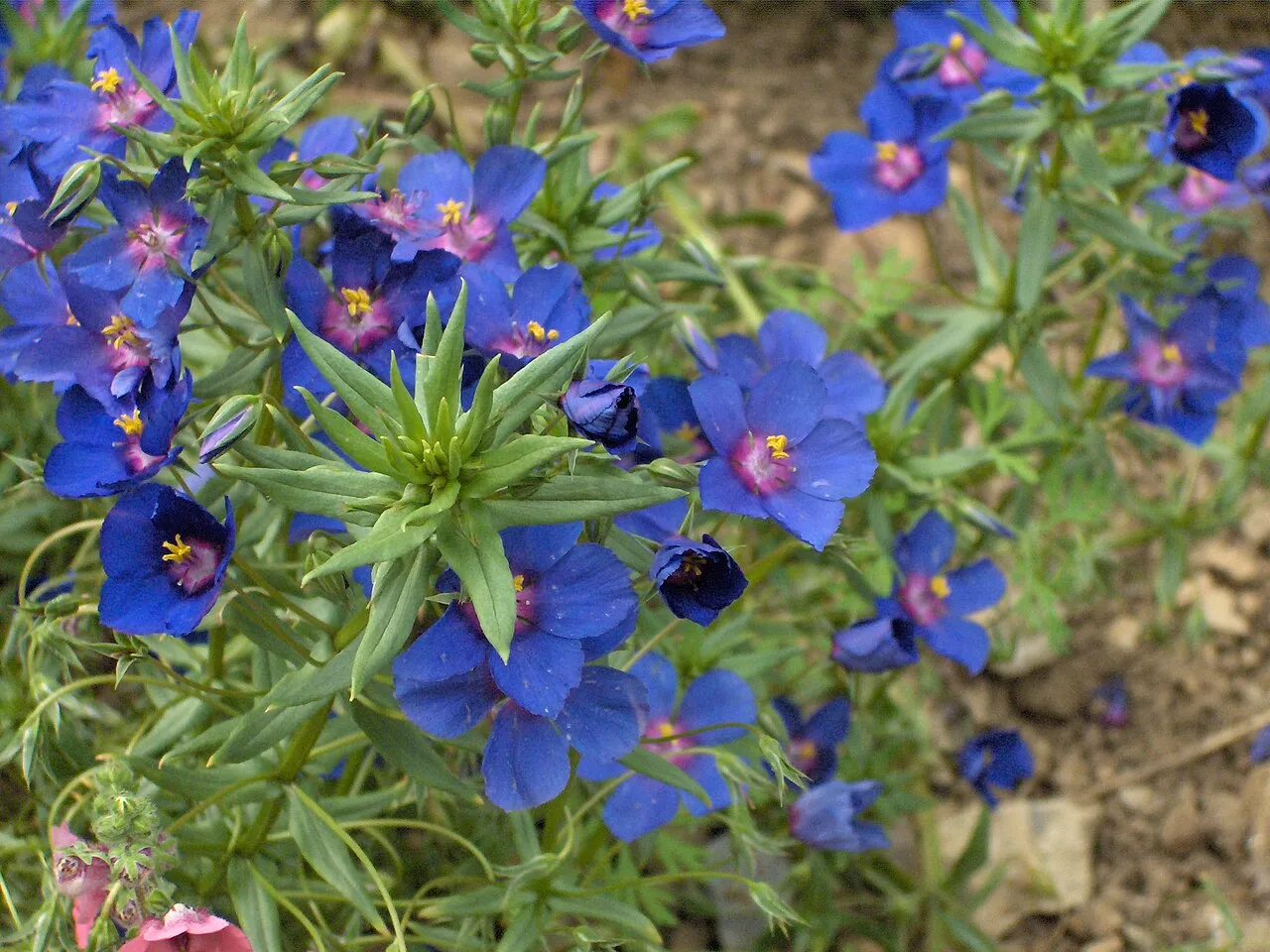
Sources for this entry (11) Open & cited
Cite this page Open data, please attribute
PlantKey’s data is open under CC BY-SA 4.0 — free to reuse and adapt, with attribution and the same licence. Photos keep their own per-image licence + credit (see Sources above).
Loading…
BibTeX
Loading…