
Tuber Anemone (var. tuberosa) Anemone tuberosa var. tuberosa variety
Tuber Anemone (var. tuberosa) is a perennial wildflower native to the lower 48 states.
More about this plant
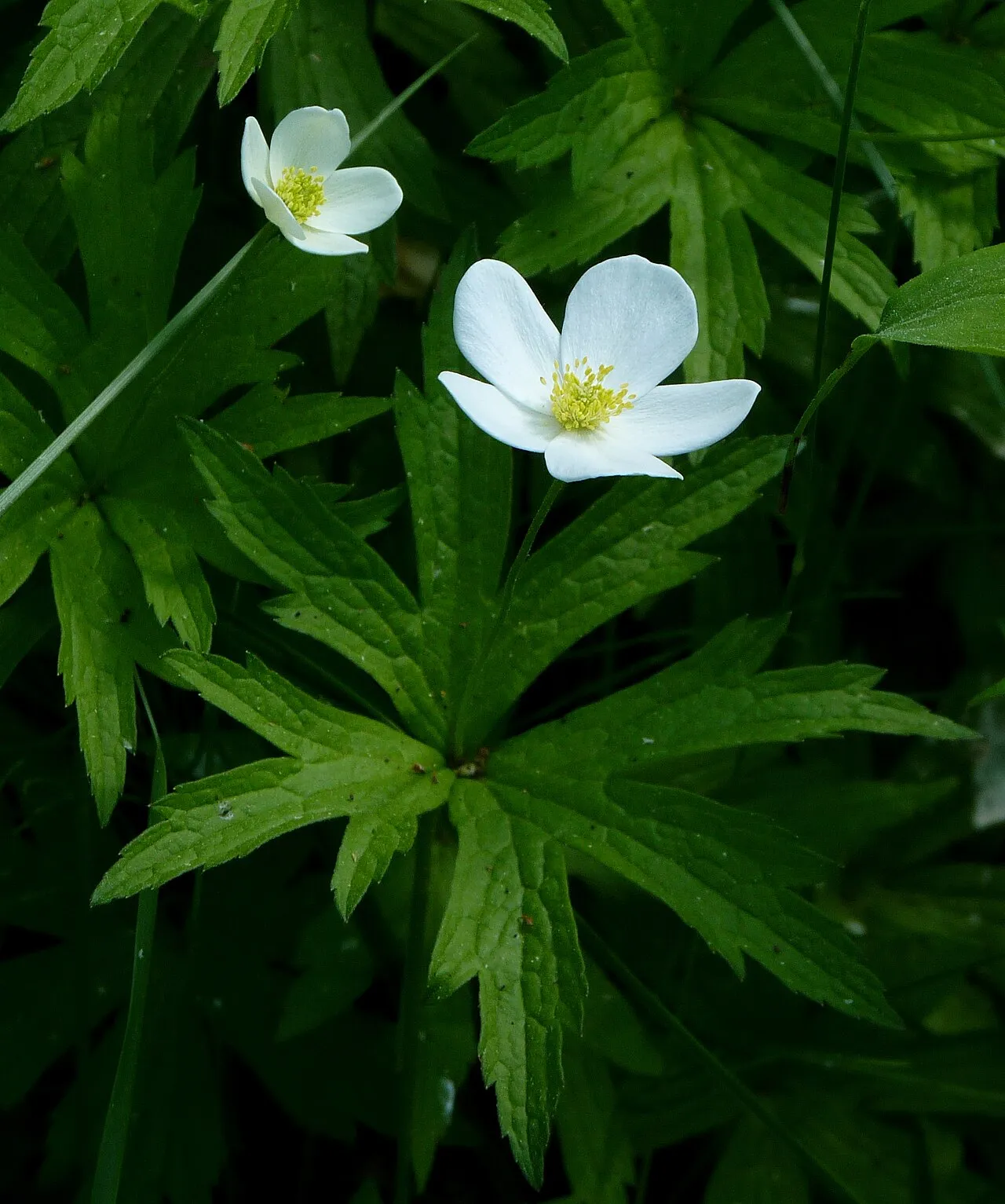
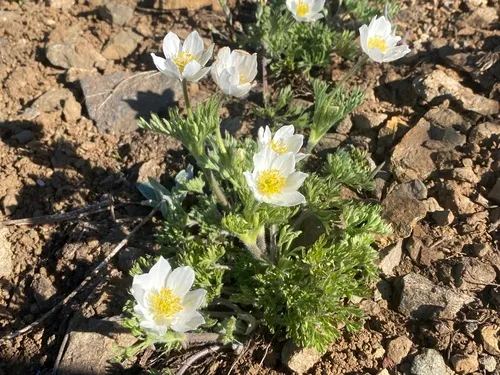
Anemone tuberosa, the desert anemone or tuber anemone, is a herbaceous species of flowering plant in the buttercup family Ranunculaceae. Plants grow 10 to 30, sometimes 40 cm (16 in) tall, from a woody-like tuber shaped like a caudex. Plants have 1 to 3 basal leaves that are 1 or 2 times ternate. The few basal leaves have long petioles and are deeply 3-parted with leaflets lacking stems or rarely with a stalk. Plants flowering early to late spring with the flowers composed of 8 to 10 sepals normally white or pink colored, 10 to 14 mm long. The plants produce one peduncle with one solitary flower or 2–5 flowered cymes. Fruits in heads fusiform in shape, with 7–20 cm (2.8–7.9 in) long pedicels. Fruits called achenes measure 2.5 to 3.5 mm long and 2 to 2.5 mm wide with a rounded outline and flat in shape, densely woolly, not winged also with straight 1.5 mm (0.059 in) long beaks. Wikipedia →
Growing & care
USDA PLANTS · TRY- Hardiness
- ≥ zone 8 derived from its U.S. range
- Lifespan
- Perennial
Wildlife & pollinators
How pollinator value is scored →❧ Caterpillar hosts ~1 caterpillar species
Anemone supports ~1 caterpillar species.
Native butterfly & moth caterpillars are the base of the terrestrial food web — most songbirds rear their young almost entirely on them. As a host for native Lepidoptera this is a modest genus.
Recorded feeding on Anemone in North America, including:

Related plants
More Anemone →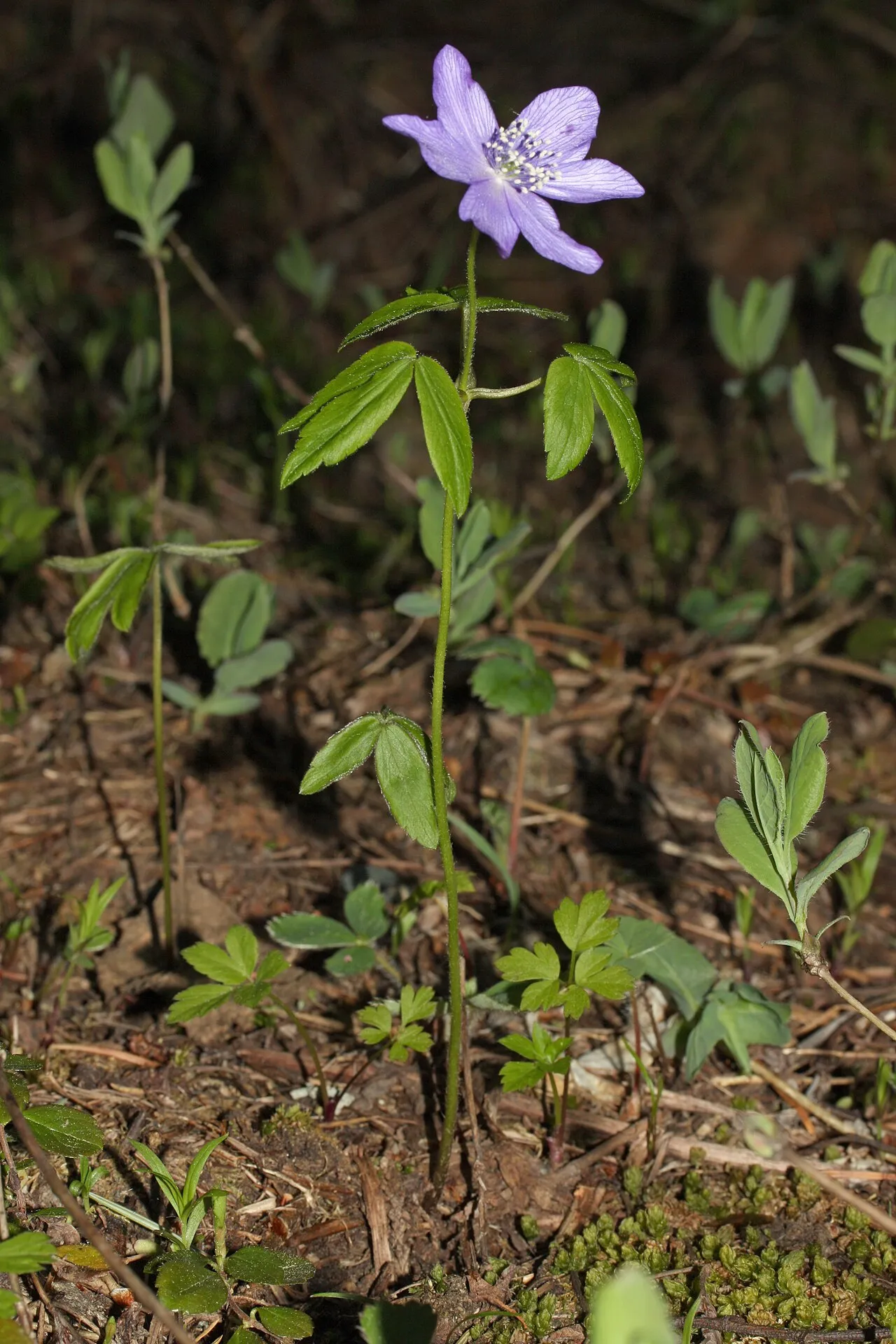

Sources for this entry (11) Open & cited
Cite this page Open data, please attribute
PlantKey’s data is open under CC BY-SA 4.0 — free to reuse and adapt, with attribution and the same licence. Photos keep their own per-image licence + credit (see Sources above).
Loading…
BibTeX
Loading…