
© Stan Shebs · CC BY-SA 3.0
Wikimedia Commons — CC, credited & licensed per image
Asteraceae family
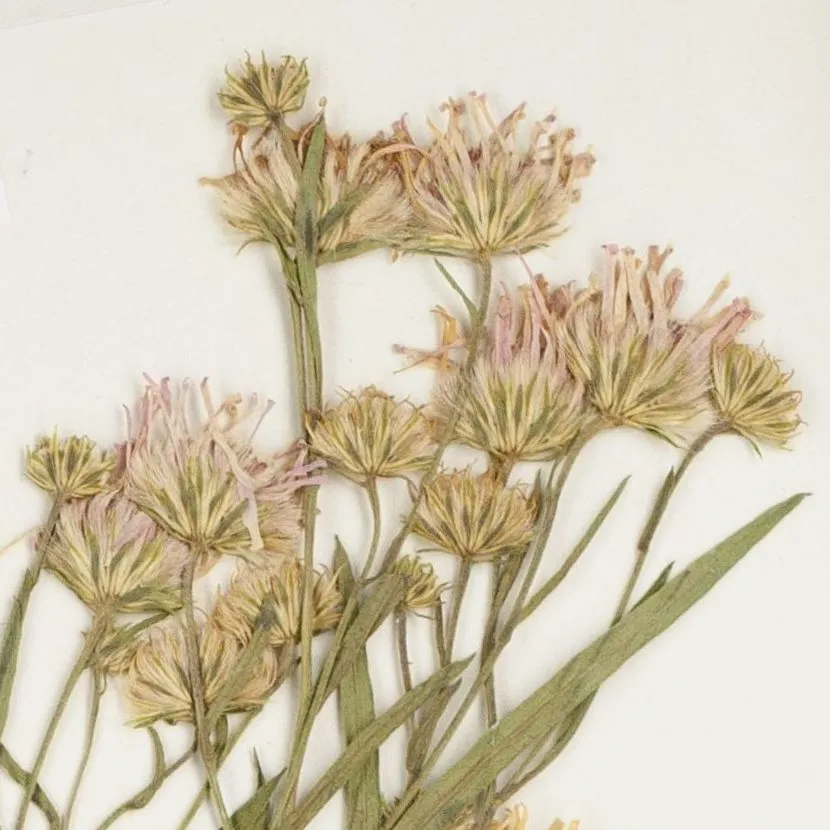
Woolly Easterbonnets Antheropeas wallacei
Native
Early-season nectar — Flowers in a late-winter / early-spring window when few other plants in our catalog bloom — valuable early forage for pollinators (relative to our catalog's bloom coverage).
Woolly Easterbonnets is an annual wildflower native to the lower 48 states. It blooms Mar – May.
More about this plant
Eriophyllum wallacei is a North American flowering plant in the family Asteraceae known by the common names woolly daisy and woolly easterbonnets. It grows in the southwestern United States and northwestern Mexico. It may grow in clumps or on short erect stems in sand, rocks, and gravel. Wikipedia →
Growing & care
USDA PLANTS · TRY Conditions
Sources · Conditions
Cold hardiness (derived) — Hardiness
- Hardiness
- ≥ zone 6 derived from its U.S. range
Size & form
Sources · Size & form
USDA PLANTS — Lifespan
- Lifespan
- Annual
In the garden
Herb layer — Sits in the herb of a layered food forest or polyculture.Open guide →
derived roles The garden year bloom → fruit → fall colour
J
F
M
A
M
J
J
A
S
O
N
D
Bloom
Bloom (the flower's colour)
Bloom · Mar – May — 62 obs · Herbarium specimens — Park et al. 2023 (CC BY 4.0)
Species characteristics from USDA PLANTS (public domain) + TRY (CC BY) — general guidance, not a
guarantee for your exact site. Deer "browsing" is documented palatability, not a deer-proof claim.
Related plants
More Antheropeas → Native
White Easterbonnets
Antheropeas lanosum
○○○○○ 
Native
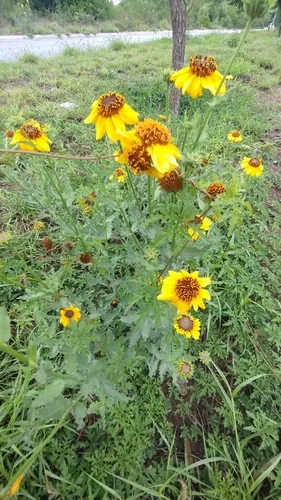
Alkali Sunflower
Helianthus laciniatus
●●●●● 
Native
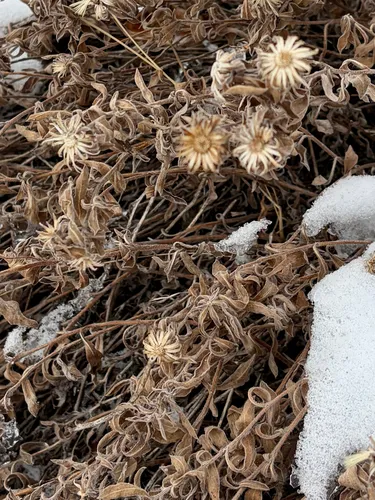
Alpine False Goldenaster
Heterotheca pumila
●●●●● 
Native
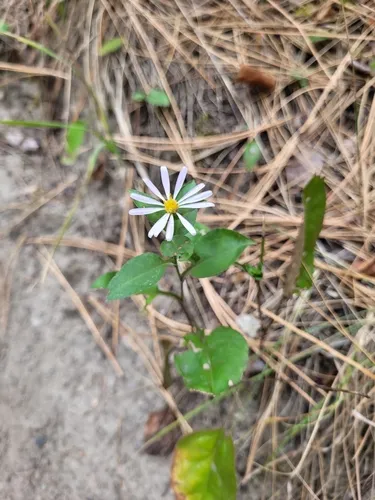
Alpine Leafybract Aster
Symphyotrichum foliaceum
●●●●● 
Native
Anisescented Goldenrod
Solidago odora
●●●●● 
Native
Anticosti Island Aster
Symphyotrichum anticostense
●●●●● Same genus / family, ranked by ecological value — from the PlantKey catalog
Sources for this entry (9) Open & cited
[01] Scientific name & family — USDA PLANTS (DwCA, Zenodo 17903503)
[02] Growth habit & duration — USDA PLANTS (DwCA, Zenodo 17903503)
[03] Native status & distribution — USDA PLANTS (DwCA, Zenodo 17903503)
[04] Common name — USDA PLANTS (via GBIF)
[05] Invasive / introduced status — USDA PLANTS (DwCA, Zenodo 17903503) — native status
[06] Photos — Wikimedia Commons — CC, credited per image
[07] Description — Wikipedia (CC BY-SA)
[08] Bloom period — Herbarium specimens — Park et al. 2023 (CC BY 4.0)
[09] Cold hardiness (derived) — Derived from U.S. range × USDA PHZM zones
Spot an error or have a better photo? Every field links to its source, and the whole dataset is open.
Cite this page Open data, please attribute
PlantKey’s data is open under CC BY-SA 4.0 — free to reuse and adapt, with attribution and the same licence. Photos keep their own per-image licence + credit (see Sources above).
Citation
Loading…
BibTeX
Loading…