
Mancos Columbine (var. mancosana) Aquilegia micrantha var. mancosana variety
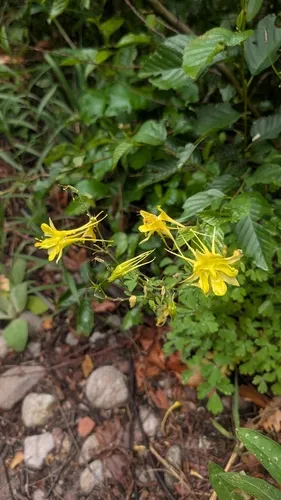
Mancos Columbine (var. mancosana) is a perennial wildflower native to the lower 48 states.
More about this plant
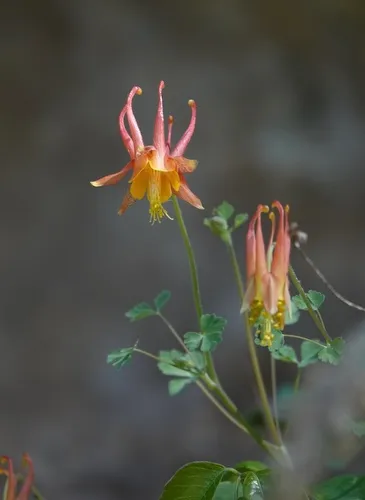
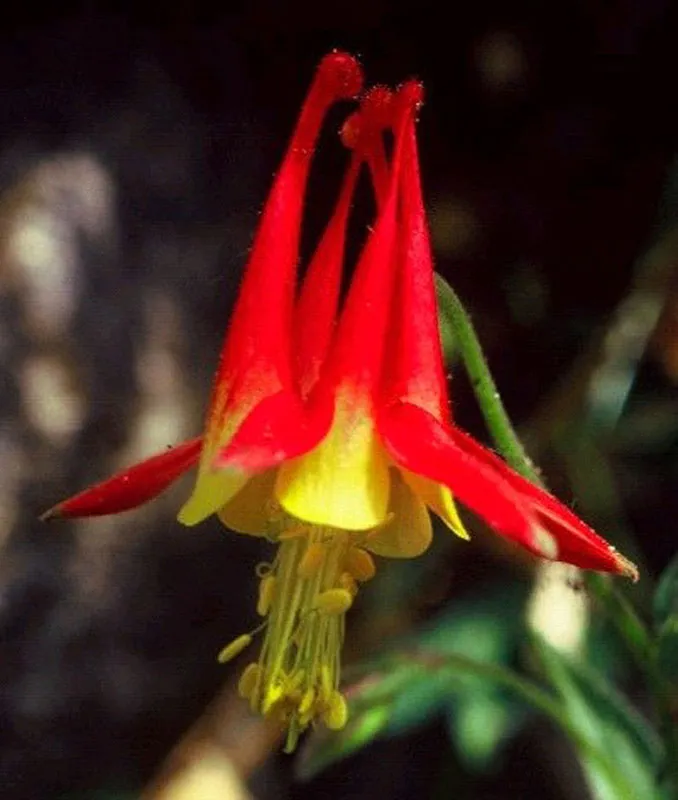
Aquilegia micrantha var. mancosana is a perennial flowering plant which is a variety of the Aquilegia (columbine) species Aquilegia micrantha in the family Ranunculaceae. The variety's first recorded observance was in 1891. It was first described by the American botanist Alice Eastwood as native to a single cavern of the Johnson Canyon in Ute Mountain Tribal Park, Colorado, United States. Described as lacking nectar spurs – something unusual among members of the Aquilegia genus – the plant was observed in the same location the next year. From then until the early 21st century, it had not been observed again in the wild and was presumed extinct. Despite this, it was still listed in Colorado floras. It has since been observed again at its original location. Wikipedia →
Growing & care
USDA PLANTS · TRY- Hardiness
- ≥ zone 7 derived from its U.S. range
- Lifespan
- Perennial
Wildlife & pollinators
How pollinator value is scored →❧ Caterpillar hosts ~12 caterpillar species
Aquilegia supports ~12 caterpillar species.
Native butterfly & moth caterpillars are the base of the terrestrial food web — most songbirds rear their young almost entirely on them. As a host for native Lepidoptera this is a moderate genus.
Recorded feeding on Aquilegia in North America, including:


+ 8 more species → ↑ show fewer


Related plants
More Aquilegia →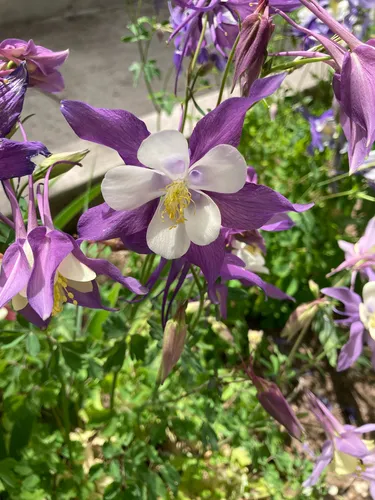
Sources for this entry (11) Open & cited
Cite this page Open data, please attribute
PlantKey’s data is open under CC BY-SA 4.0 — free to reuse and adapt, with attribution and the same licence. Photos keep their own per-image licence + credit (see Sources above).
Loading…
BibTeX
Loading…