PlantKey Open ecological atlas
Planner
Home / Browse / Artabotrys / Climbing Ilang-ilang
Wikimedia Commons — CC, credited & licensed per image
Annonaceae family

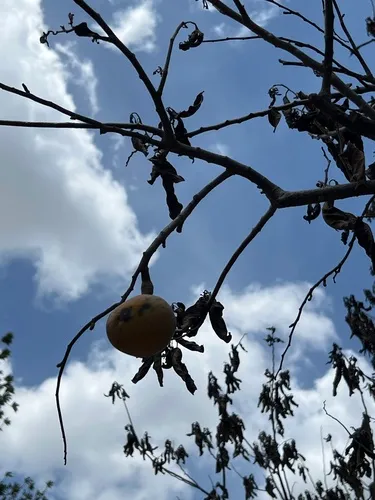
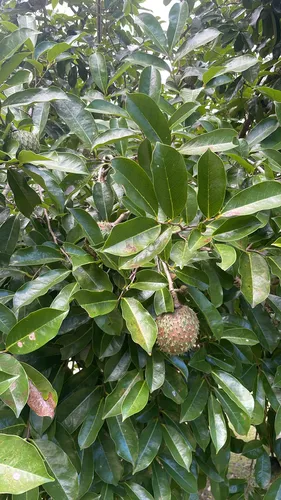
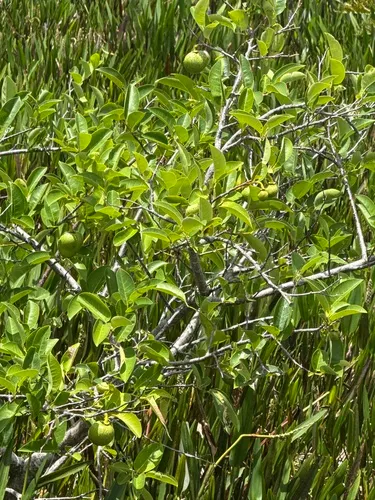
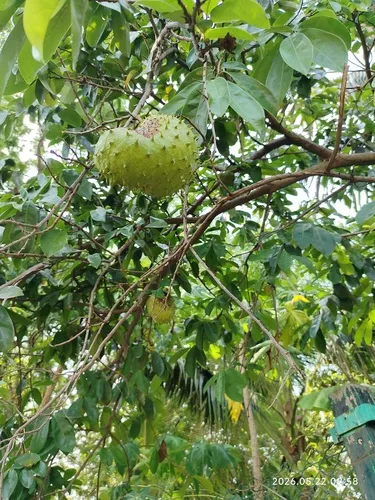
Climbing Ilang-ilang Artabotrys hexapetalus

Climbing Ilang-ilang is an introduced perennial vine, found in Hawaii. It grows to 13 ft.

More about this plant

Artabotrys hexapetalus, the climbing ylang-ylang, is a shrub found in India through to Burma, southern China and Taiwan, having flowers that are renowned for their exotic fragrance. It is also called ylang-ylang vine or tail grape in English, with a variety of names in other languages. The yellow colored flowers of this plant are very fragrant. The flowers are greenish in the beginning and turn yellow with age. They are long lasting with a fruity pleasant smell. When young it is a shrub that turns into a climber once it attains the height of about 2 meters. Wikipedia →

Growing & care

USDA PLANTS · TRY
Size & form
Sources · Size & form
TRY Plant Trait Database (CC BY 4.0) — Height · Foliage
USDA PLANTS — Lifespan
Height
13 ft
Lifespan
Perennial
Foliage
Broadleaf
In the garden
Vine / climber layer — Sits in the vine of a layered food forest or polyculture.Open guide →
derived roles
Species characteristics from USDA PLANTS (public domain) + TRY (CC BY) — general guidance, not a guarantee for your exact site. Deer "browsing" is documented palatability, not a deer-proof claim.
Sources for this entry (13) Open & cited
[01] Scientific name & family — USDA PLANTS (DwCA, Zenodo 17903503)
[02] Growth habit & duration — USDA PLANTS (DwCA, Zenodo 17903503)
[03] Native status & distribution — USDA PLANTS (DwCA, Zenodo 17903503)
[04] Common name — USDA PLANTS (via GBIF)
[05] Invasive / introduced status — US-RIIS v2.0 (USGS)
[07] Description — Wikipedia (CC BY-SA)
[08] Ecological value — GloBI
[11] Functional traits — TRY Plant Trait Database (CC BY 4.0)
[13] County range — GBIF Open Data — open-licensed occurrences (CC0/CC-BY) → county
Spot an error or have a better photo? Every field links to its source, and the whole dataset is open.
Cite this page Open data, please attribute

PlantKey’s data is open under CC BY-SA 4.0 — free to reuse and adapt, with attribution and the same licence. Photos keep their own per-image licence + credit (see Sources above).

Citation

Loading…

BibTeX
Loading…