
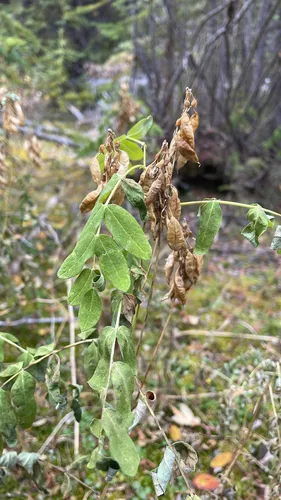
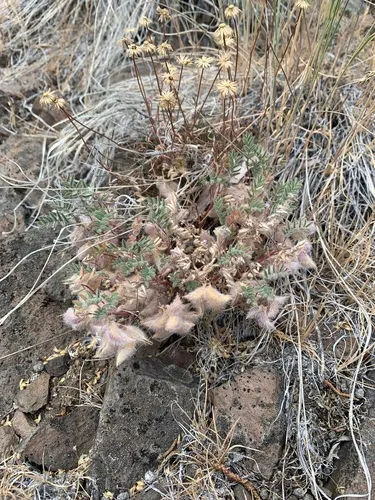
Deseret Milkvetch Astragalus desereticus
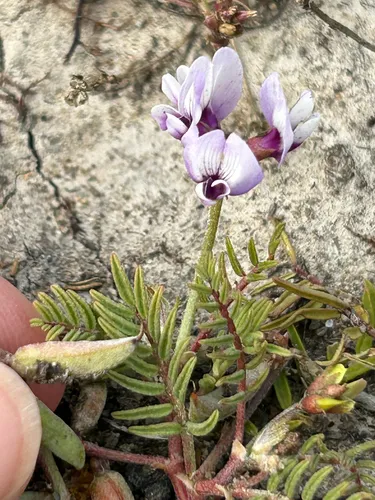
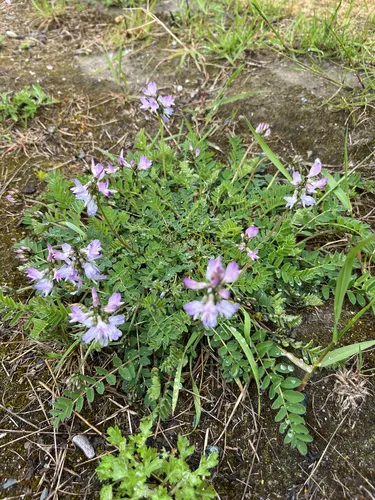
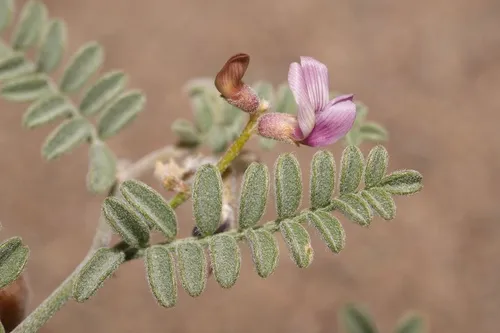
Deseret Milkvetch is a perennial shrub native to the lower 48 states. A host for pollen-specialist native bees.
More about this plant
Astragalus desereticus is a rare species of milkvetch known by the common name Deseret milkvetch. It is endemic to Utah County, Utah, where it is known from only one population. It was thought to be extinct until 1981 when this population was discovered. The population contains 5,000 to 10,000 plants on an area of land covering less than 300 acres. It is vulnerable to damage from grazing cattle, which eat the plant and trample the soil, and from development and erosion. This is a federally listed threatened species. Wikipedia →
Growing & care
USDA PLANTS · TRY- Hardiness
- ≥ zone 8 derived from its U.S. range
- Lifespan
- Perennial
Wildlife & pollinators
How pollinator value is scored →❧ Caterpillar hosts ~15 caterpillar species
Astragalus supports ~15 caterpillar species.
Native butterfly & moth caterpillars are the base of the terrestrial food web — most songbirds rear their young almost entirely on them. As a host for native Lepidoptera this is a moderate genus.
Recorded feeding on Astragalus in North America, including:


+ 8 more species → ↑ show fewer


✦ Bees specialist-bee host
Specialist native bees depend on it.
Some native bees are pollen specialists (oligolectic) — they raise young only on pollen from particular plant genera. Astragalus is a recorded specialist-bee host, so losing it can mean losing the bee that relies on it.
Related plants
More Astragalus →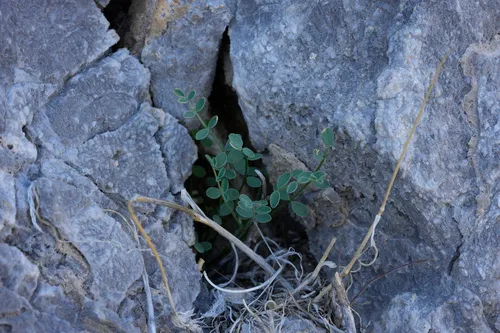
Sources for this entry (13) Open & cited
Cite this page Open data, please attribute
PlantKey’s data is open under CC BY-SA 4.0 — free to reuse and adapt, with attribution and the same licence. Photos keep their own per-image licence + credit (see Sources above).
Loading…
BibTeX
Loading…