
Downy Alpine Oatgrass Avenula pubescens
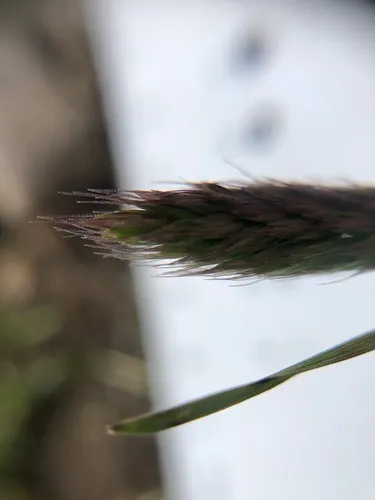
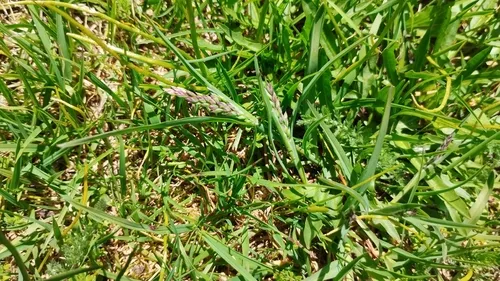
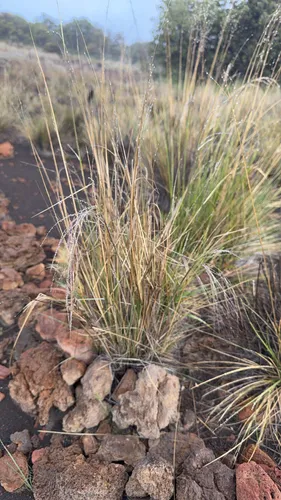
Downy Alpine Oatgrass is an introduced perennial grass, found in Canada and the lower 48 states.
More about this plant
Avenula is a genus of Eurasian flowering plants in the grass family. Over 100 names have been proposed for species, subspecies, varieties, and other infraspecific taxa within Avenula, but only one species is accepted. The others names are all regarded as synonyms of other accepted names. The only recognized species in the genus is Avenula pubescens, commonly known as downy oat-grass or downy alpine oatgrass, native to Europe and Asia from Iceland and Portugal to Xinjiang, Mongolia, and Siberia. It is also naturalized in scattered locations in North America, in states as Connecticut, Delaware, Minnesota, New Jersey and Vermont, and in Canadian provinces such as Alberta, Manitoba, Ontario, Quebec, and Saskatchewan. Wikipedia →
Growing & care
USDA PLANTS · TRY- Hardiness
- ≥ zone 5 derived from its U.S. range
- Lifespan
- Perennial
- Foliage
- Broadleaf
Wildlife & pollinators
How pollinator value is scored →Wildlife & visitors 53 birds · 1 mammal
Open records of who else uses Downy Alpine Oatgrass — a generalist food-web signal, kept separate from the keystone Ecological Value.
Recorded eaten by 53 birds and 1 mammal species (fruit, seed, browse) — the most-recorded:


+ 1 more species → ↑ show fewer

Related plants
More Avenula →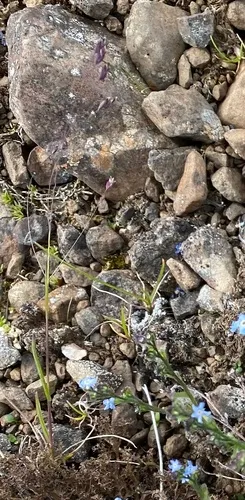
How we know this (1) Methods & honest limits
A recorded categorical fact: each species is tagged C3 (standard), C4 (heat/water-efficient) or CAM (succulent, night-time CO₂ uptake) — or a facultative combination. We only show a trait card for the noteworthy C4/CAM cases; C3 is the unremarkable majority, kept in the data but not surfaced as a card.
Sources for this entry (14) Open & cited
Cite this page Open data, please attribute
PlantKey’s data is open under CC BY-SA 4.0 — free to reuse and adapt, with attribution and the same licence. Photos keep their own per-image licence + credit (see Sources above).
Loading…
BibTeX
Loading…