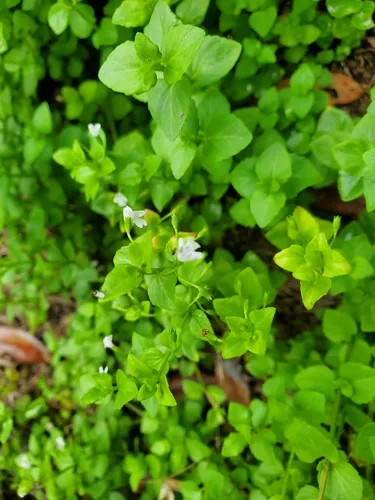
![Lesser Calamint (subsp. glandulosa) — photo by Kurt Stüber [1]](/photos/calamintha-nepeta/c6217.avif)
Lesser Calamint (subsp. glandulosa) Calamintha nepeta subsp. glandulosa subspecies
Lesser Calamint (subsp. glandulosa) is an introduced perennial shrub, found in the lower 48 states.
More about this plant
Clinopodium nepeta, known as lesser calamint, is a perennial herb of the mint family known for having fragrant, grey-green, oregano-like leaves with a pennyroyal smell. It is also called niepita, and mentuccia romana. This plant commonly grows across the Mediterranean, North Africa and parts of Central Asia and has traditionally been used as a folk medicine and culinary herb. A recent study also found cultivars of lesser catmint that had the same compounds in catnip that cause the euphoric effect in cats, known as nepetalactone. Wikipedia →
Growing & care
USDA PLANTS · TRY- Hardiness
- ≥ zone 7 derived from its U.S. range
- Lifespan
- Perennial
Wildlife & pollinators
How pollinator value is scored →❧ Caterpillar hosts ~1 caterpillar species
Calamintha supports ~1 caterpillar species.
Native butterfly & moth caterpillars are the base of the terrestrial food web — most songbirds rear their young almost entirely on them. As a host for native Lepidoptera this is a modest genus for introduced plants — native genera typically support far more.
Recorded feeding on Calamintha in North America, including:
Related plants
More Calamintha →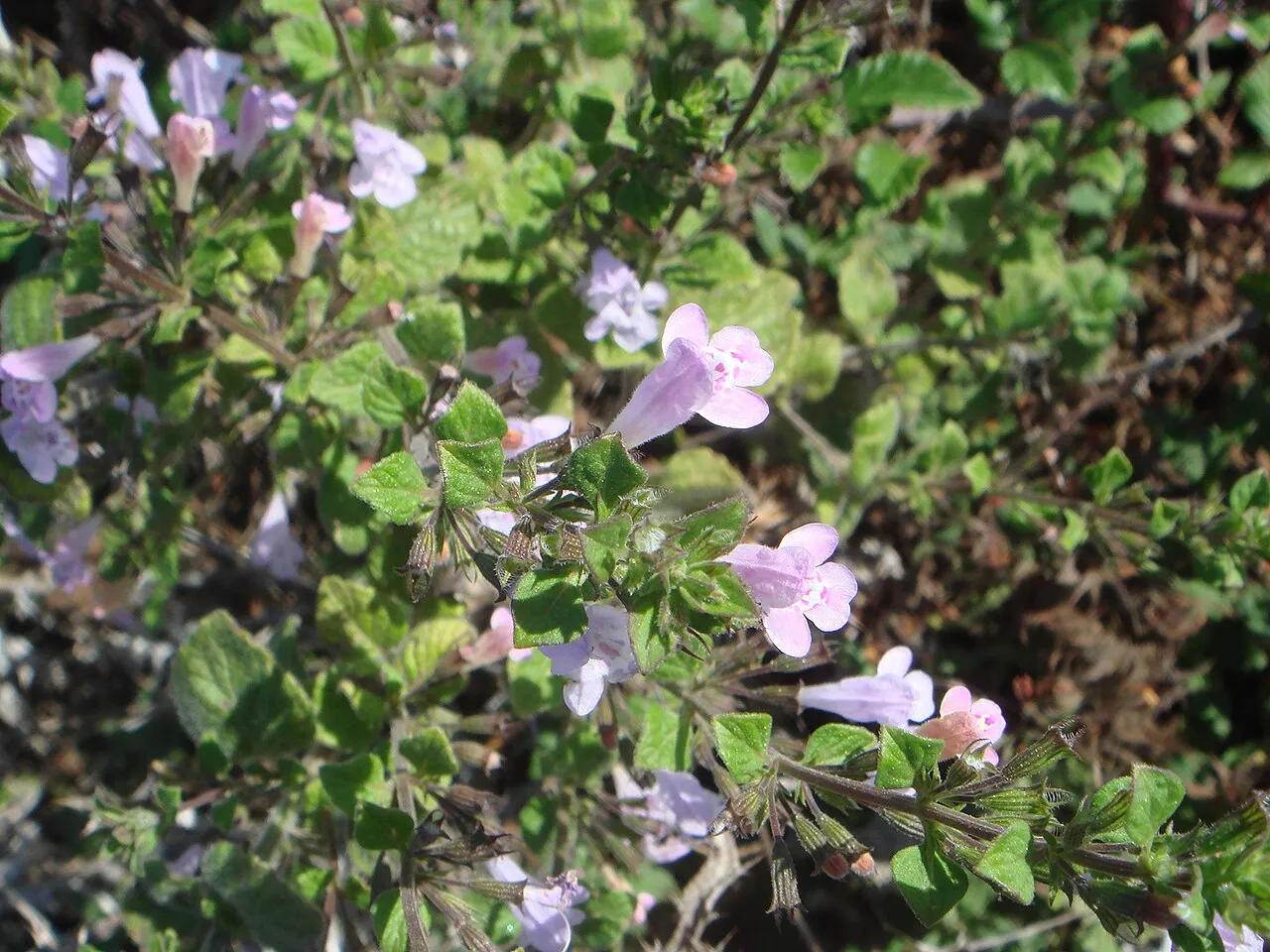
Sources for this entry (11) Open & cited
Cite this page Open data, please attribute
PlantKey’s data is open under CC BY-SA 4.0 — free to reuse and adapt, with attribution and the same licence. Photos keep their own per-image licence + credit (see Sources above).
Loading…
BibTeX
Loading…