
Calliergon Moss Calliergon cordifolium
Calliergon Moss is a moss native to North America.
More about this plant
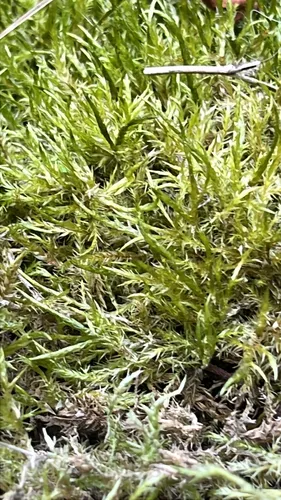
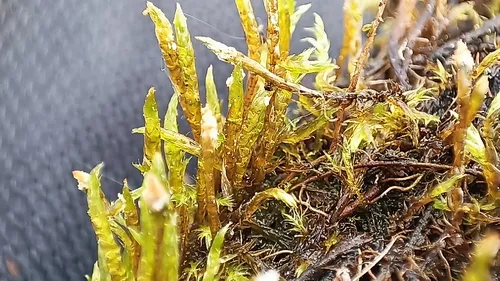
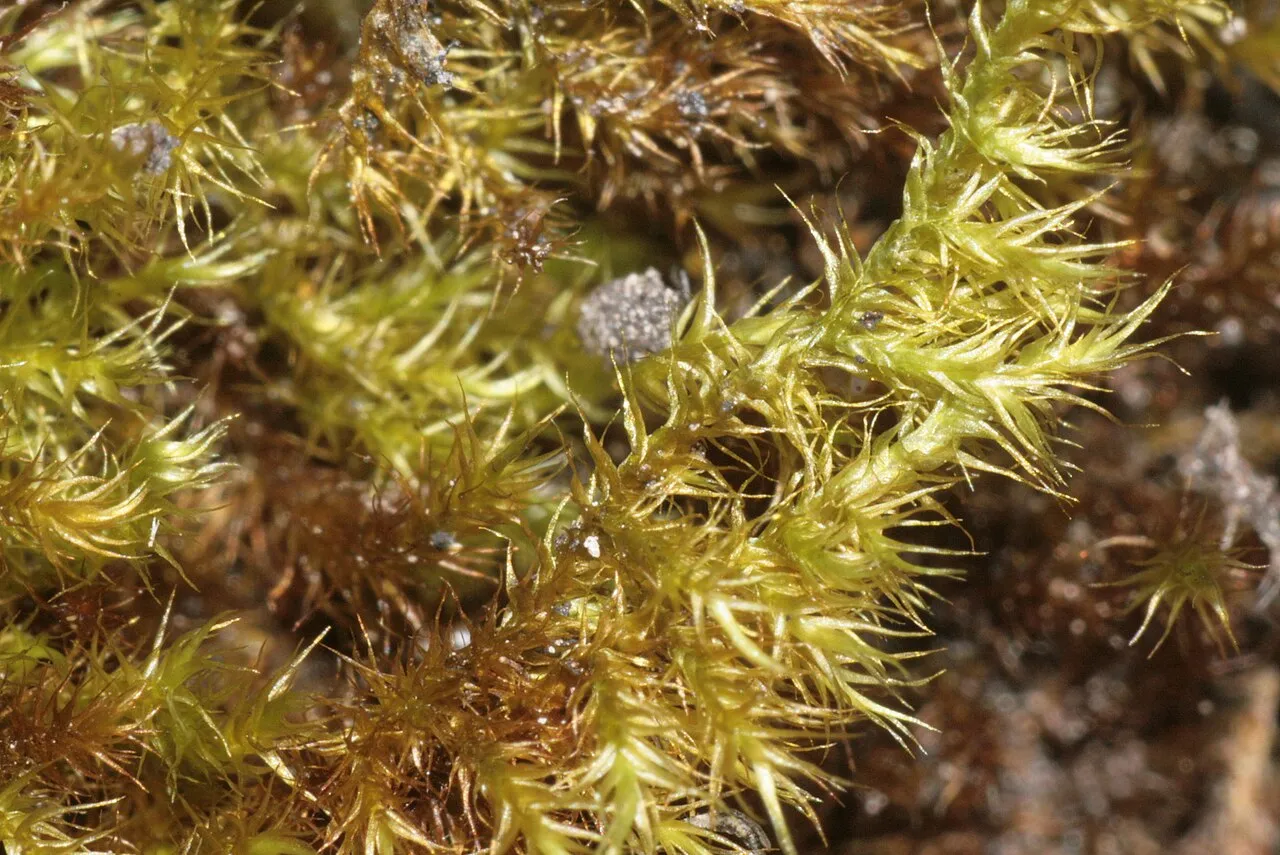
Calliergon cordifolium is a species of moss in the Calliergonaceae family, commonly known as the calliergon moss or heart-leaved spearmoss. The species is abundant in the right habitat, and grows in marshes and wet woodland, especially woodland of alder (Alnus) or willow (Salix), as well as around streams, ditches and pools. The species grows in tufts among other moss species. Calliergon cordifolium requires a wet environment to grow, and often grows completely submerged in water. It typically prefers lowland, but has been recorded as high as 910 metres (1,000 yd) above sea level in Inverness, Scotland. The species has a circumpolar Boreo-temperate distribution. It is found throughout Europe. It has been recorded in north and central Asia, as well as Turkey and Japan, throughout North America and in New Zealand. Wikipedia →
Growing & care
USDA PLANTS · TRY- Hardiness
- ≥ zone 7 derived from its U.S. range
Related plants
More Calliergon →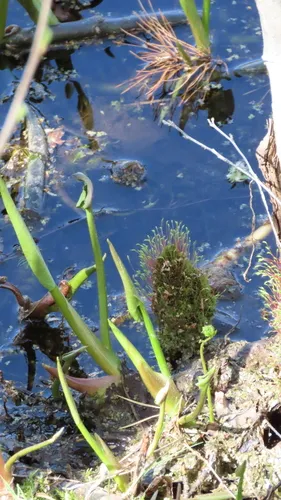
How we know this (1) Methods & honest limits
We take the plant’s U.S. county range and look up each county’s long-term climate, then summarise: native rainfall = the median annual rainfall across its counties; heat tolerance = the warm end (90th percentile) of average temperature across its range (mirroring how our cold-hardiness floor uses an extreme). Counties + medians blunt the roadside/observer bias that makes point-level climate unreliable. Needs at least five placeable counties.
Honest limits: A realized, sampling-biased niche (where it has been recorded, not its physiological optimum), and county climate is coarse — large Western counties span deserts and mountains. Derived guide, never a measured fact.
Sources for this entry (10) Open & cited
Cite this page Open data, please attribute
PlantKey’s data is open under CC BY-SA 4.0 — free to reuse and adapt, with attribution and the same licence. Photos keep their own per-image licence + credit (see Sources above).
Loading…
BibTeX
Loading…