
Spreading Bellflower Campanula patula
Spreading Bellflower is an introduced perennial herb, found in the lower 48 states. It grows to 1.2 ft.
More about this plant
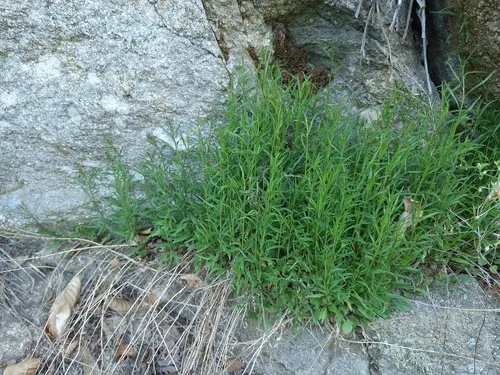
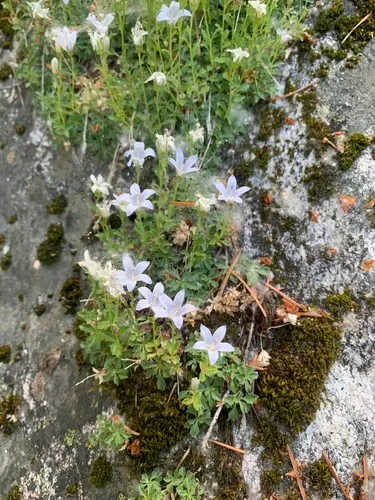
Campanula patula or spreading bellflower is a plant species of the genus Campanula. It can grow to more than half a meter high. This delicate bellflower bears lateral branches of pale blue or white flowers that are upright and funnel shaped. The leaves are narrow and pointed. Branches are often supported by the surrounding vegetation, so the plants can appear prostrate. The main difference between this and other bellflowers is that the petals in the bell are spread out and more pointed and this gives this species its common name. Wikipedia →
Growing & care
USDA PLANTS · TRY- Hardiness
- ≥ zone 6 derived from its U.S. range
- Height
- 1.2 ft
- Lifespan
- Perennial
- Foliage
- Broadleaf
Wildlife & pollinators
How pollinator value is scored →✦ Bees specialist-bee host · 41 bee visitors
Specialist native bees depend on it.
Some native bees are pollen specialists (oligolectic) — they raise young only on pollen from particular plant genera. Campanula is a recorded specialist-bee host, so losing it can mean losing the bee that relies on it.
41 native & managed bee species are documented visiting Spreading Bellflower — the 12 most-recorded:


Related plants
More Campanula →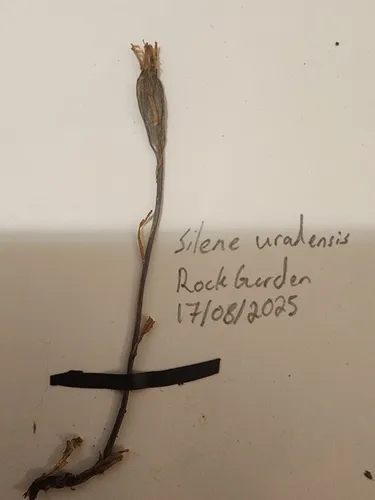
How we know this (2) Methods & honest limits
We read each species’ measured specific leaf area (leaf area per unit dry weight) from the Global Spectrum dataset and band it: thin & fast (high SLA), medium, or thick & tough (low SLA). The global median is about 10 mm²/mg.
Honest limits: A species-mean from pooled measurements — individual plants vary with light and site. A broad strategy signal, not a precise per-plant figure.
A recorded categorical fact: each species is tagged C3 (standard), C4 (heat/water-efficient) or CAM (succulent, night-time CO₂ uptake) — or a facultative combination. We only show a trait card for the noteworthy C4/CAM cases; C3 is the unremarkable majority, kept in the data but not surfaced as a card.
Sources for this entry (18) Open & cited
Cite this page Open data, please attribute
PlantKey’s data is open under CC BY-SA 4.0 — free to reuse and adapt, with attribution and the same licence. Photos keep their own per-image licence + credit (see Sources above).
Loading…
BibTeX
Loading…