
Cayenne Pepper (var. annuum) Capsicum annuum var. annuum variety
Cayenne Pepper (var. annuum) is an introduced annual shrub, found in Hawaii, the lower 48 states, and U.S. outlying islands.
More about this plant
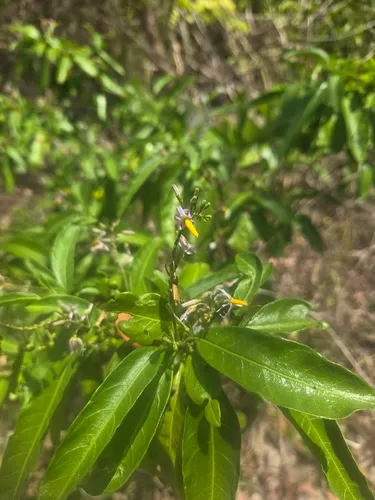
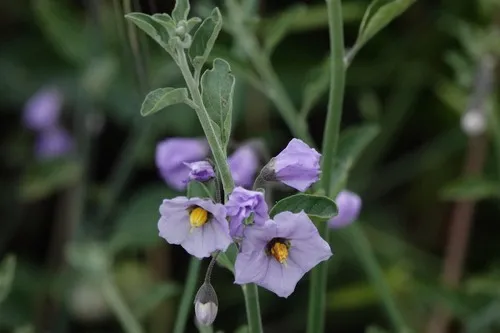
Capsicum annuum is a flowering plant in the family Solanaceae (nightshades), native to the northern regions of South America and to southwestern North America. The plant produces berries of many colors including red, green, and yellow, often with pungent taste. It is one of the oldest cultivated crops, with domestication dating back to around 6,000 years ago in regions of Mexico. The genus Capsicum has over 30 species but Capsicum annuum is the primary species in its genus, as it has been widely cultivated for human consumption for a substantial amount of time and has spread across the world. This species has many uses in culinary, medicine, self-defense, and ornamental applications. Wikipedia →
Growing & care
USDA PLANTS · TRY- Hardiness
- ≥ zone 8 derived from its U.S. range
- Lifespan
- Annual
Wildlife & pollinators
How pollinator value is scored →❧ Caterpillar hosts ~16 caterpillar species
Capsicum supports ~16 caterpillar species.
Native butterfly & moth caterpillars are the base of the terrestrial food web — most songbirds rear their young almost entirely on them. As a host for native Lepidoptera this is a moderate genus.
Recorded feeding on Capsicum in North America, including:


+ 8 more species → ↑ show fewer


Related plants
More Capsicum →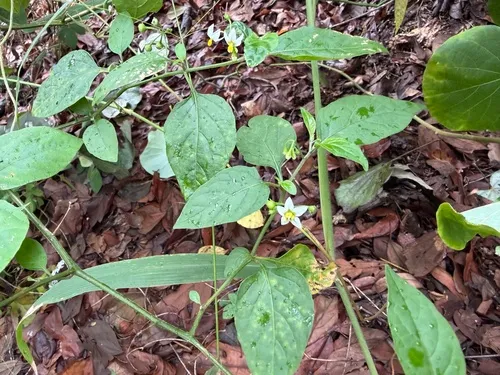
Sources for this entry (11) Open & cited
Cite this page Open data, please attribute
PlantKey’s data is open under CC BY-SA 4.0 — free to reuse and adapt, with attribution and the same licence. Photos keep their own per-image licence + credit (see Sources above).
Loading…
BibTeX
Loading…