
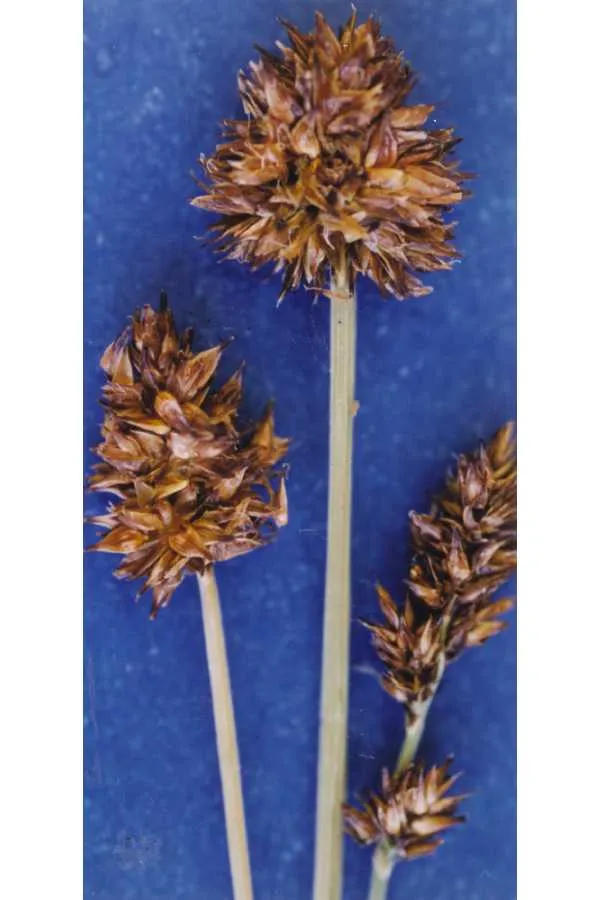
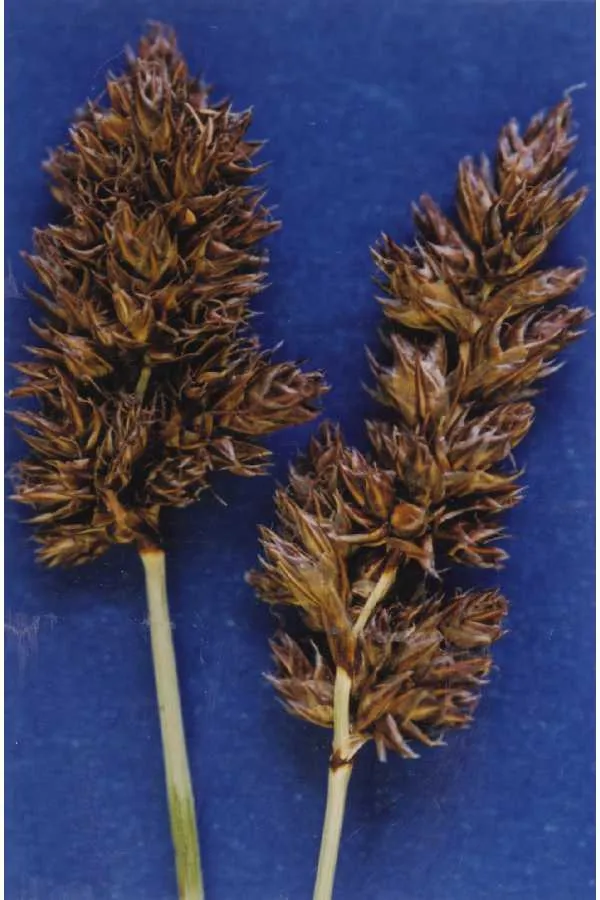
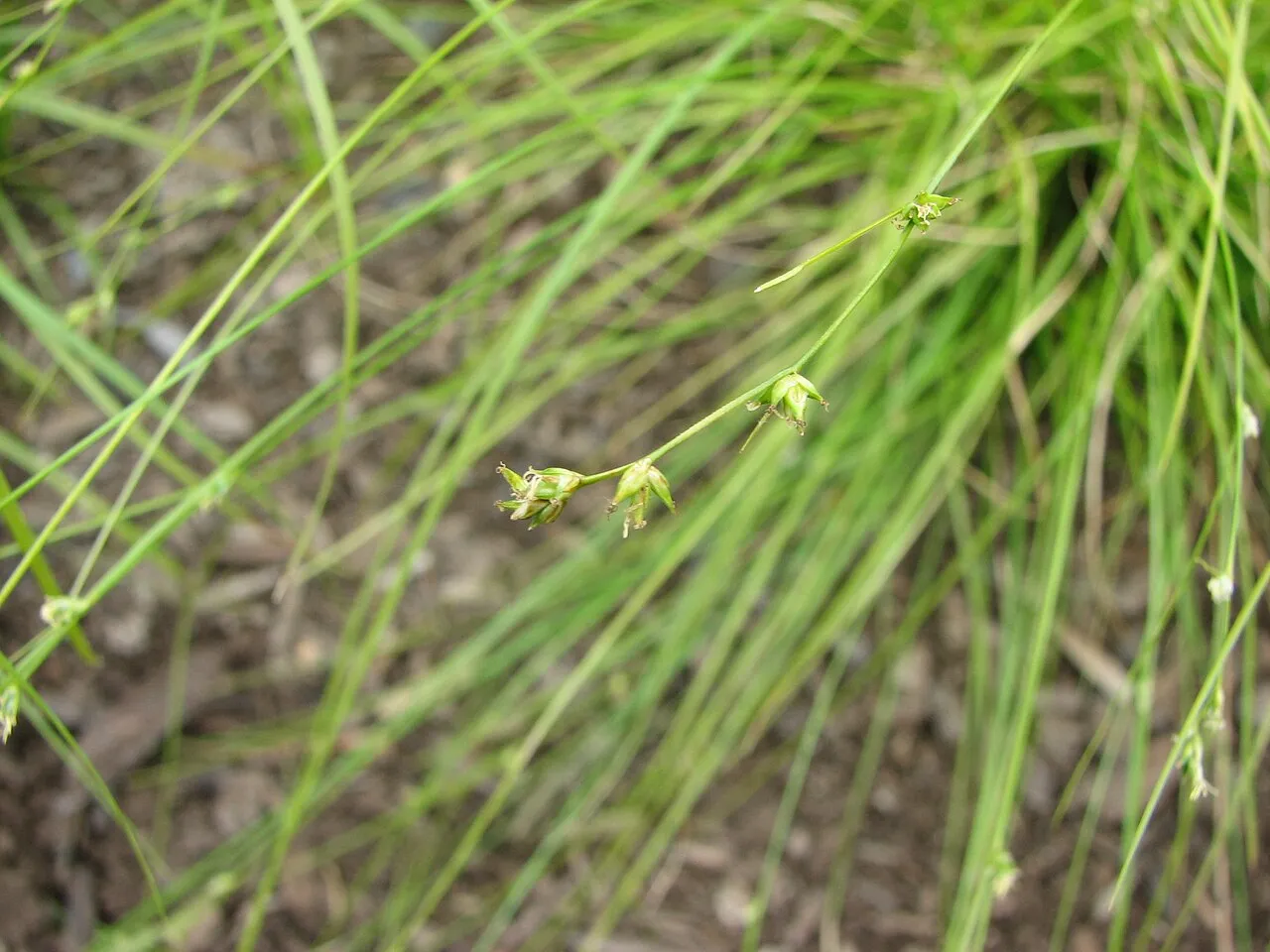
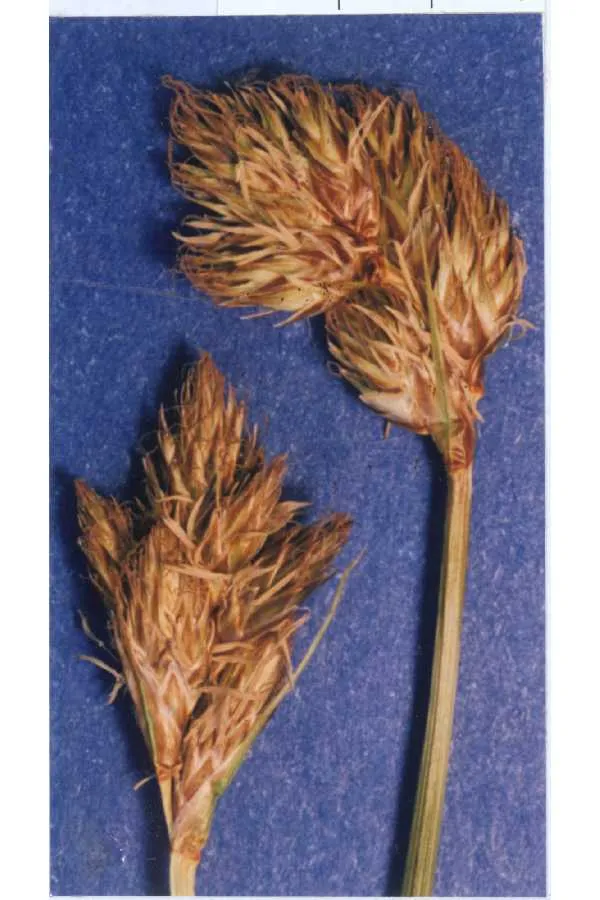
Greater Brown Sedge Carex brunnea
Greater Brown Sedge is an introduced perennial grass, found in the lower 48 states.
More about this plant
Carex brunnea, the greater brown sedge, is a species of flowering plant in the sedge family. It is native to China, Japan, Korea, Myanmar, Taiwan, Vietnam, parts of east Africa, as well as eastern Australia and Lord Howe Island. This plant is often seen in disturbed, sunny areas in and near rainforest. This is one of many plants described by Robert Brown and was published in his Prodromus Florae Novae Hollandiae et Insulae Van Diemen (1810). Brown recorded the type "(J.) v.v." Brown's name of Carex gracilis was ruled invalid, as the plant had previously appeared in scientific literature in 1784. Published by the Swedish naturalist Carl Peter Thunberg, in Murray's Systema Vegetabilium, 14th edition. Wikipedia →
Growing & care
USDA PLANTS · TRY- Hardiness
- ≥ zone 7 derived from its U.S. range
- Lifespan
- Perennial
Wildlife & pollinators
How pollinator value is scored →❧ Caterpillar hosts ~36 caterpillar species
Carex supports ~36 caterpillar species.
Native butterfly & moth caterpillars are the base of the terrestrial food web — most songbirds rear their young almost entirely on them. As a host for native Lepidoptera this is a strong genus.
Recorded feeding on Carex in North America, including:


+ 8 more species → ↑ show fewer


Related plants
More Carex →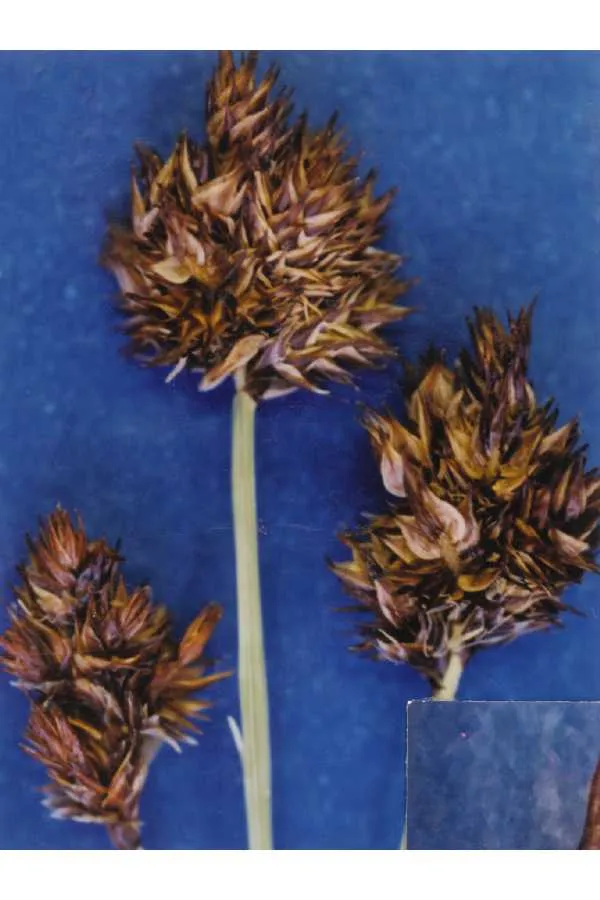
Sources for this entry (11) Open & cited
Cite this page Open data, please attribute
PlantKey’s data is open under CC BY-SA 4.0 — free to reuse and adapt, with attribution and the same licence. Photos keep their own per-image licence + credit (see Sources above).
Loading…
BibTeX
Loading…