
Bristlystalked Sedge (subsp. leptalea) Carex leptalea subsp. leptalea subspecies
Bristlystalked Sedge (subsp. leptalea) is a perennial grass native to Alaska, Canada, and the lower 48 states.
More about this plant
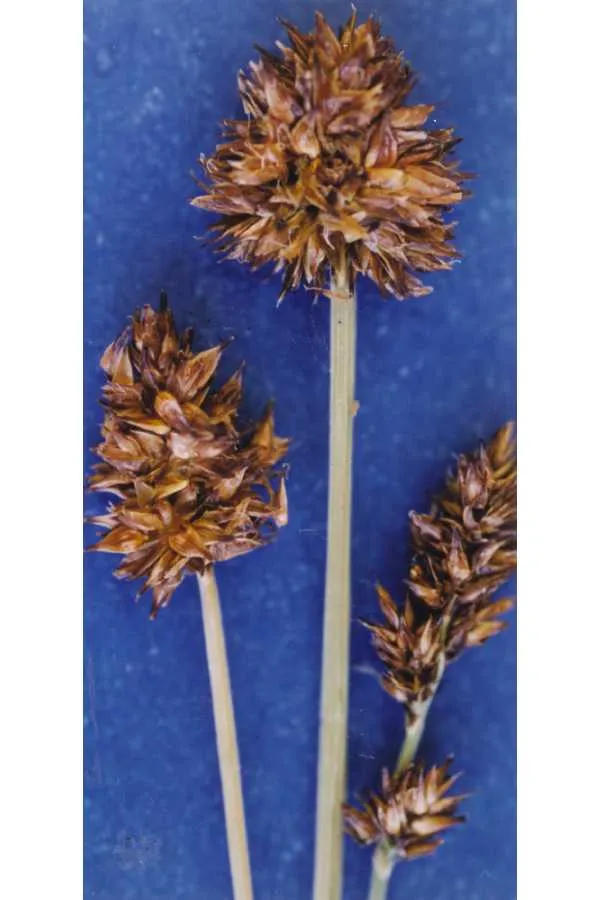
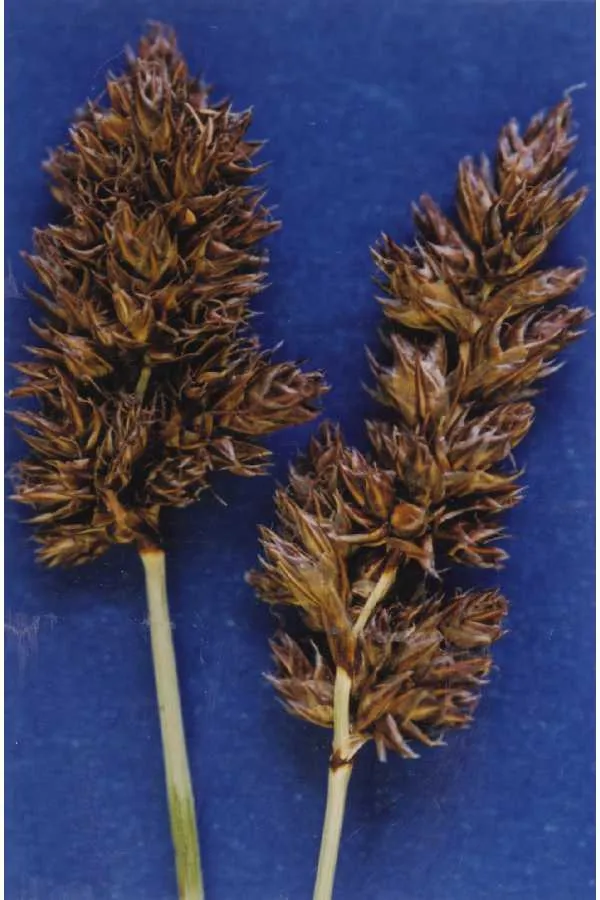
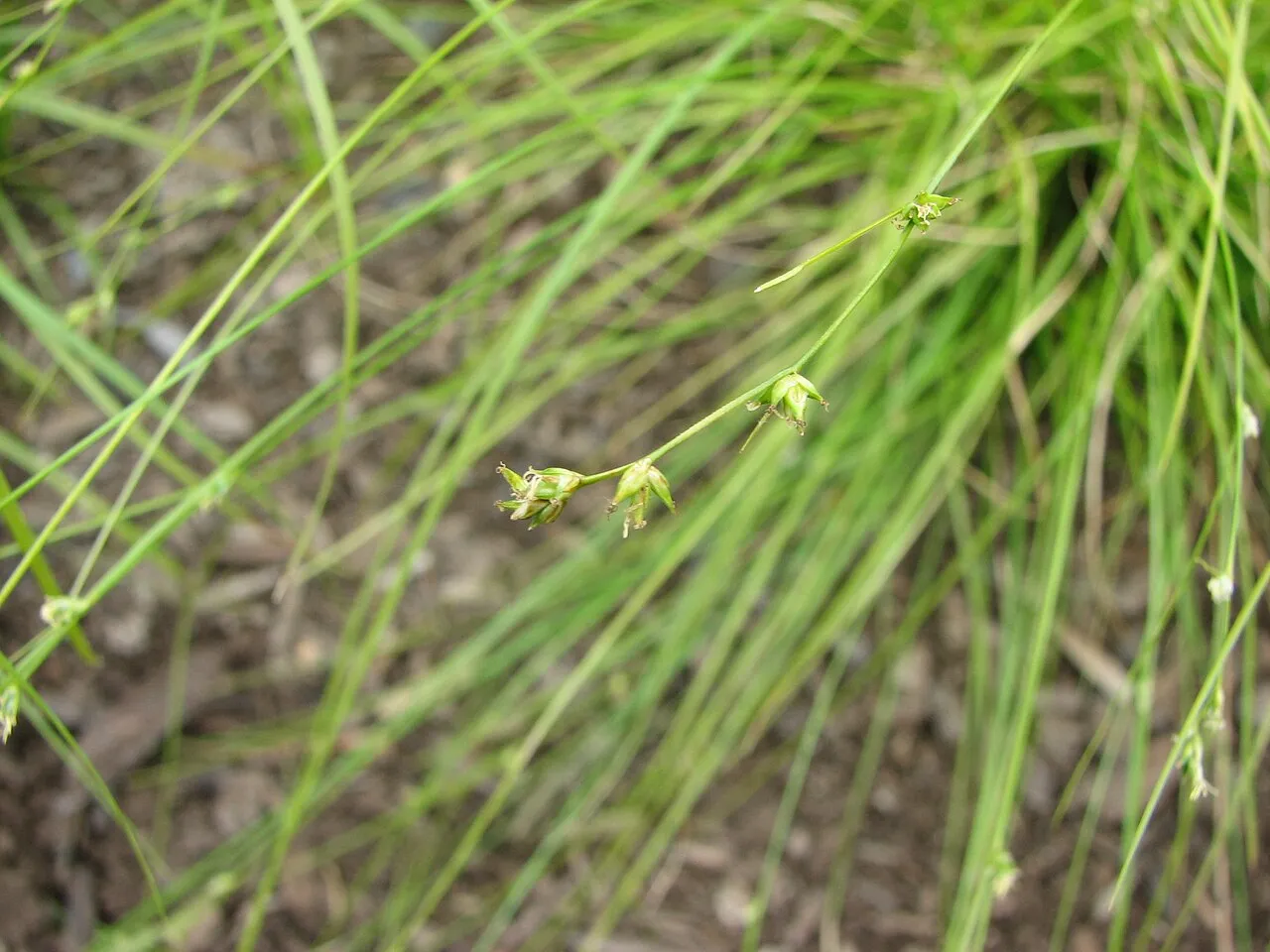
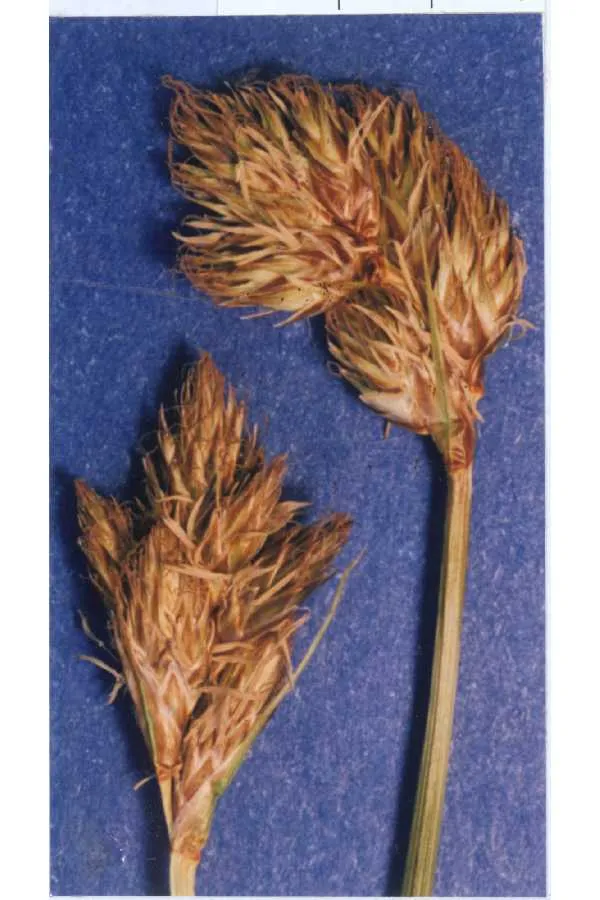
Carex leptalea is a species of sedge known by the common names bristly-stalked sedge and flaccid sedge. It is native to much of North America including most of Canada, the Dominican Republic, and the United States. It only grows in wetlands. This sedge produces dense clusters of thin stems up to 70 centimeters tall from a network of branching rhizomes. The thin, deep green leaves are soft, hairless, and sometimes drooping. The inflorescence is up to 16 millimeters long but only 2 to 3 millimeters wide, and is yellow-green in color. There are only a few perigynia on each spikelet, and they are green and veined.SubspeciesCarex leptalea subsp. harperi (Fernald) W.Stone - southeastern US from Texas and Florida north to Missouri and Pennsylvania Carex leptalea subsp. leptalea - widespread from Alaska east to Nunavut and south to California and Dominican Republic Carex leptalea subsp. pacifica Calder & Roy L.Taylor - Washington State, British Columbia, southeastern Alaska Wikipedia →
Growing & care
USDA PLANTS · TRY- Hardiness
- ≥ zone 4 derived from its U.S. range
- Lifespan
- Perennial
Wildlife & pollinators
How pollinator value is scored →❧ Caterpillar hosts ~36 caterpillar species
Carex supports ~36 caterpillar species.
Native butterfly & moth caterpillars are the base of the terrestrial food web — most songbirds rear their young almost entirely on them. As a host for native Lepidoptera this is a strong genus.
Recorded feeding on Carex in North America, including:


+ 8 more species → ↑ show fewer


Related plants
More Carex →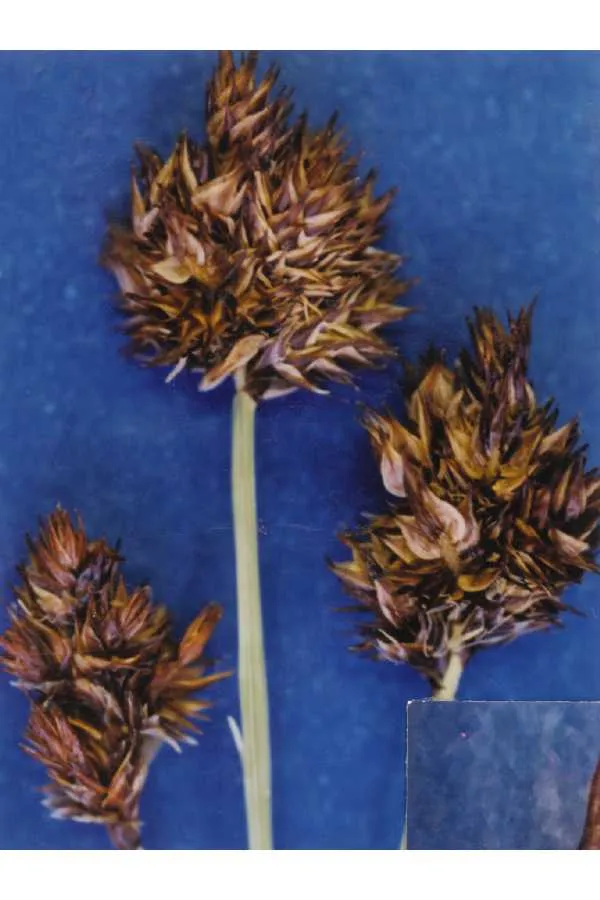
Sources for this entry (12) Open & cited
Cite this page Open data, please attribute
PlantKey’s data is open under CC BY-SA 4.0 — free to reuse and adapt, with attribution and the same licence. Photos keep their own per-image licence + credit (see Sources above).
Loading…
BibTeX
Loading…