
Looseflower Alpine Sedge (var. rariflora) Carex rariflora var. rariflora variety
Looseflower Alpine Sedge (var. rariflora) is a perennial grass native to Alaska, Canada, and Greenland.
More about this plant
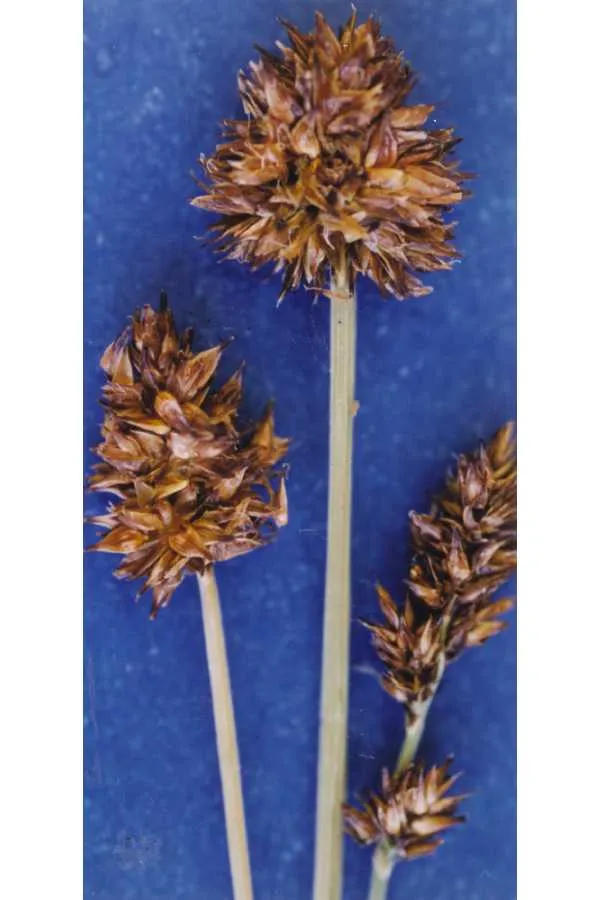
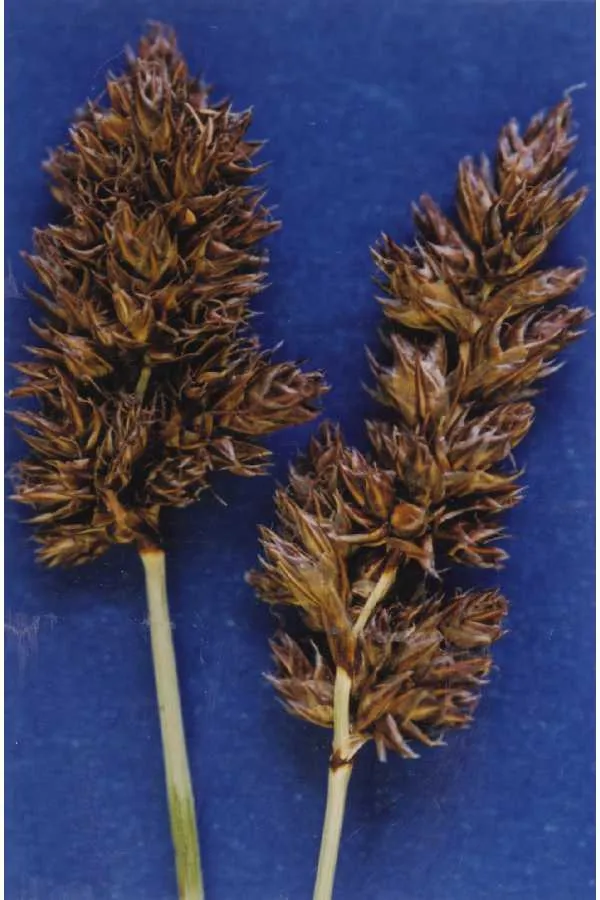
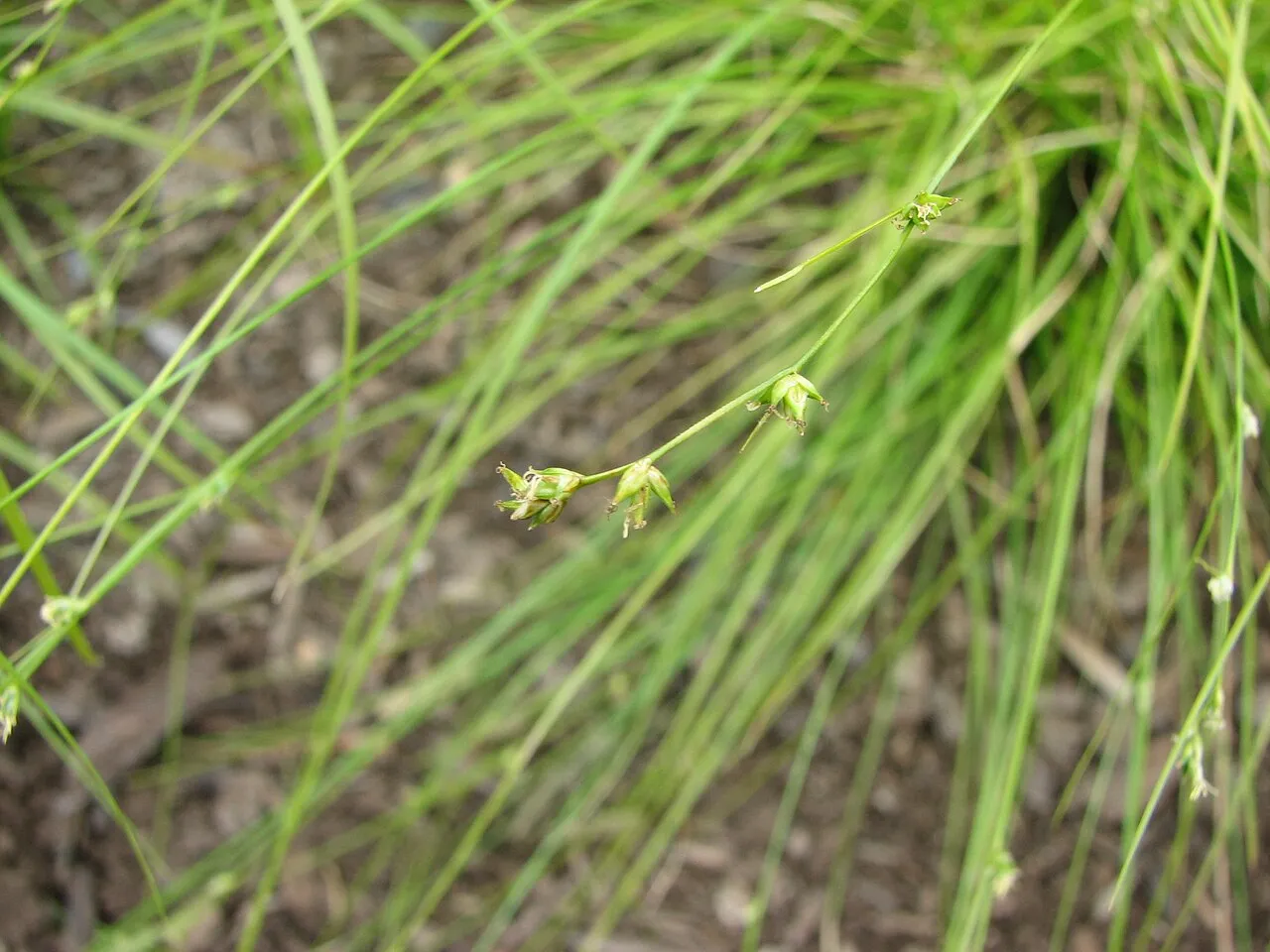
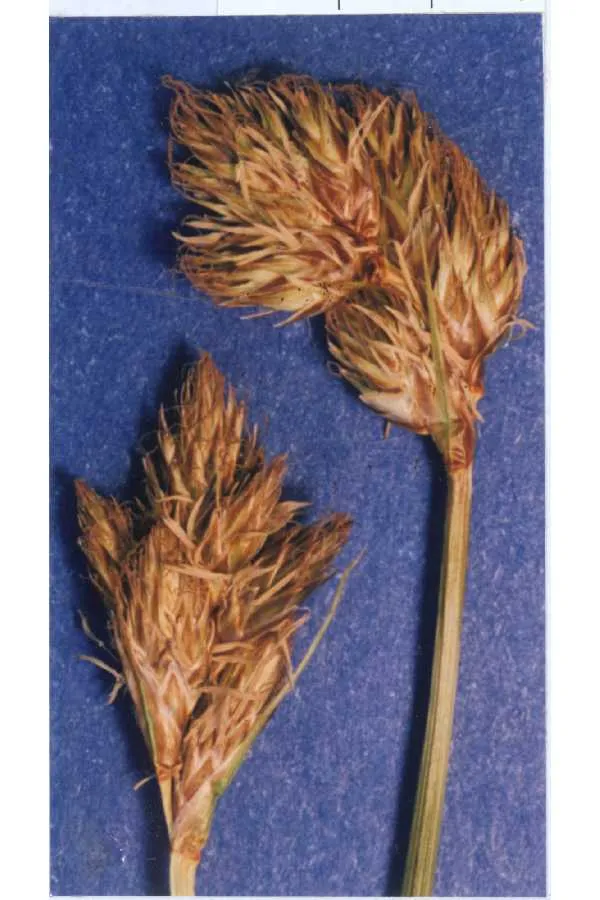
Carex rariflora, the looseflower alpine sedge, is a species of plant in the sedge family. It is found in the United States in Alaska and Maine, and in Canada in New Brunswick and Nova Scotia. In these regions, it is ranked as an obligate hydrophyte in establishing wetland areas. It prefers wet environments such as open bogs, meadows, seepage slopes, and low-elevation heath tundra. This perennial grass, which can be up to 3 feet tall, has fibrous roots, and holds all perennial organs underground. The leaves are alternate, long, narrow, and simple, with parallel veins. They grow in dense clusters, and the dead leaves are found at the base of the plant. The plant blooms and fruits in the summer. All flowers are monoecious and unisexual, producing a spike inflorescence. All inflorescences are subtended by shorter, proximal bracts. Wikipedia →
Growing & care
USDA PLANTS · TRY- Hardiness
- ≥ zone 7 derived from its U.S. range
- Lifespan
- Perennial
Wildlife & pollinators
How pollinator value is scored →❧ Caterpillar hosts ~36 caterpillar species
Carex supports ~36 caterpillar species.
Native butterfly & moth caterpillars are the base of the terrestrial food web — most songbirds rear their young almost entirely on them. As a host for native Lepidoptera this is a strong genus.
Recorded feeding on Carex in North America, including:


+ 8 more species → ↑ show fewer


Related plants
More Carex →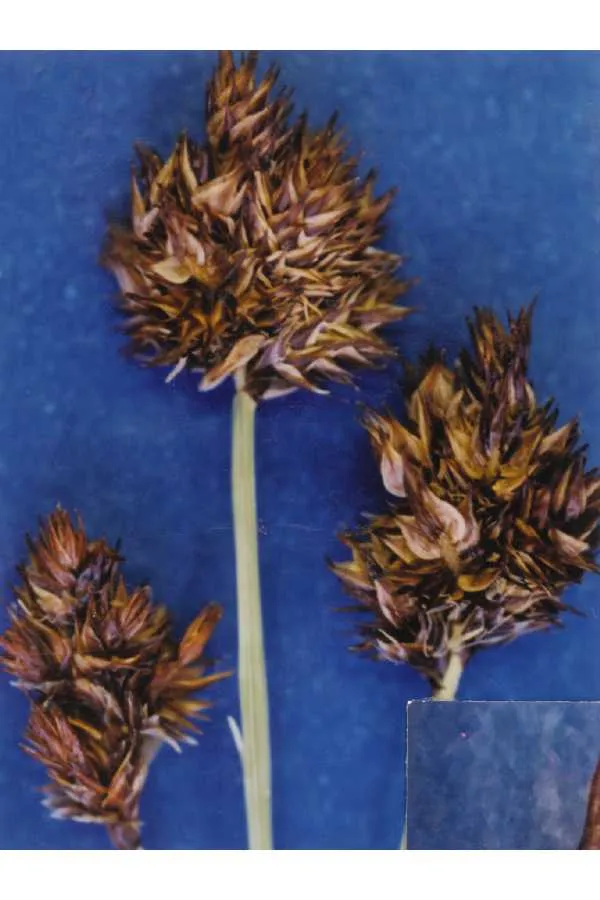
Sources for this entry (12) Open & cited
Cite this page Open data, please attribute
PlantKey’s data is open under CC BY-SA 4.0 — free to reuse and adapt, with attribution and the same licence. Photos keep their own per-image licence + credit (see Sources above).
Loading…
BibTeX
Loading…