
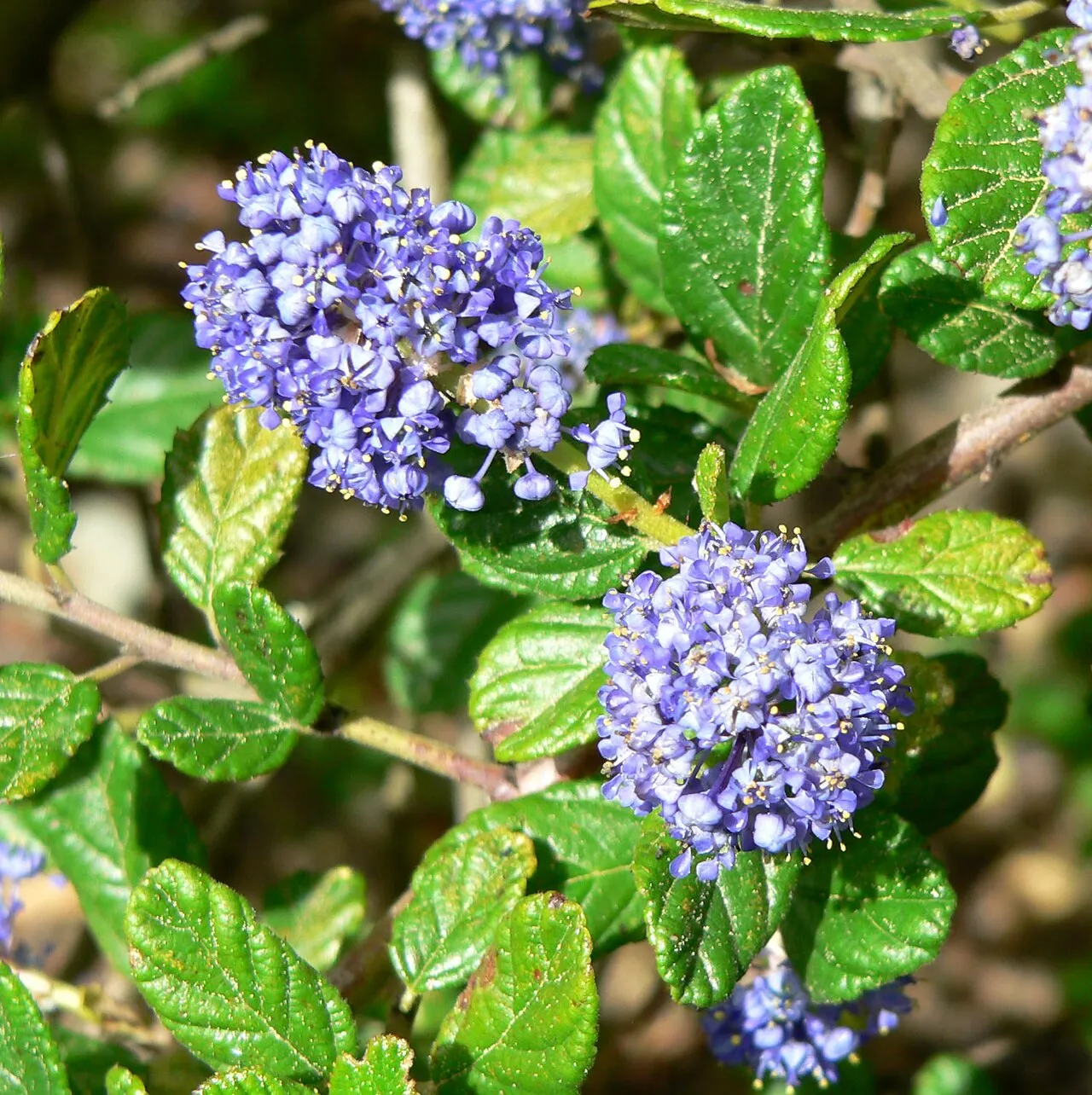
Barranca Brush Ceanothus verrucosus
Barranca Brush is a perennial shrub native to the lower 48 states. It blooms Jan – May.
More about this plant
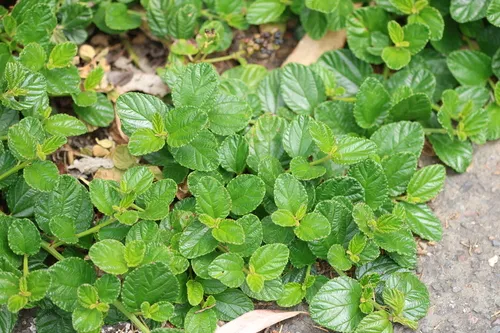
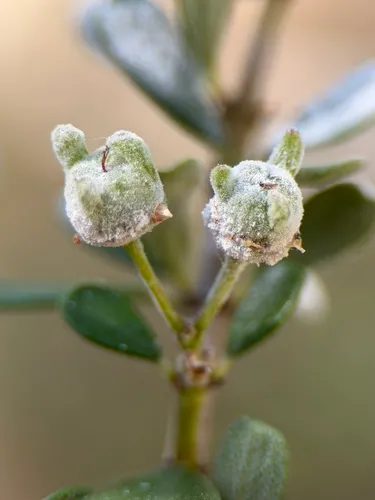
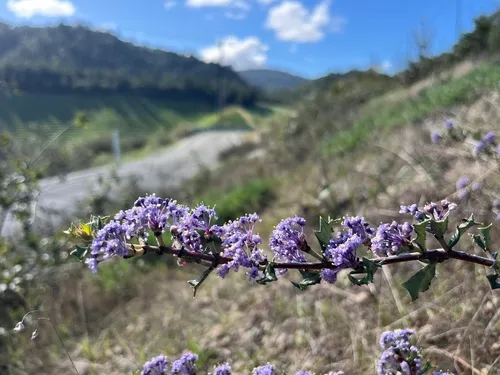
Ceanothus verrucosus is a species of shrub in the family Rhamnaceae known by the common names wart-stem ceanothus, barranca brush, coast lilac and white coast ceanothus. It is endemic to northwestern Baja California and San Diego County, where it grows in coastal sage scrub and coastal succulent scrub habitats. It is considered a rare species north of the international border, as most of the valuable coastal land that hosts this plant in the San Diego area has been claimed for development. In California, several extant populations still remain scattered around the region, such as one protected at Torrey Pines. Wikipedia →
Growing & care
USDA PLANTS · TRY- Hardiness
- ≥ zone 11 derived from its U.S. range
- Lifespan
- Perennial
- Foliage
- Evergreen broadleaf
- Flower colour
- White AI AI image-analysis of community-science photos (~87% expert agreement) — not a botanical record
Wildlife & pollinators
How pollinator value is scored →❧ Caterpillar hosts ~45 caterpillar species
Ceanothus supports ~45 caterpillar species.
Native butterfly & moth caterpillars are the base of the terrestrial food web — most songbirds rear their young almost entirely on them. As a host for native Lepidoptera this is a strong genus.
Recorded feeding on Ceanothus in North America, including:


+ 8 more species → ↑ show fewer


✦ Bees 2 bee visitors
2 native & managed bee species are documented visiting Barranca Brush :


Related plants
More Ceanothus →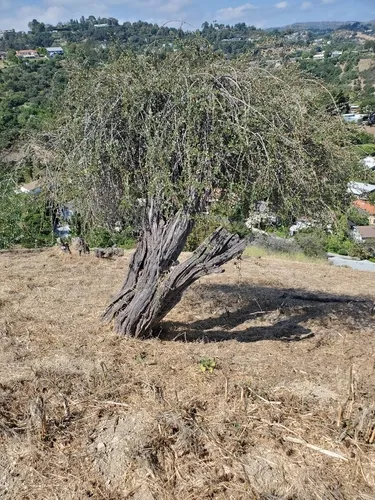
How we know this (2) Methods & honest limits
A recorded categorical fact: each species is tagged C3 (standard), C4 (heat/water-efficient) or CAM (succulent, night-time CO₂ uptake) — or a facultative combination. We only show a trait card for the noteworthy C4/CAM cases; C3 is the unremarkable majority, kept in the data but not surfaced as a card.
McKenzie et al. assigned each species a flower colour with a GPT-4V vision model over iNaturalist photos. We use the confident tier plus a separately-labelled lower-confidence top-up (mostly inconspicuous green/brown flowers), and render it as a small tint — never as an asserted fact, and kept out of the written synopsis.
Honest limits: AI image inference (~87% expert agreement on the confident tier); a decorative, confidence-tiered indicator, not a measured trait.
Sources for this entry (20) Open & cited
Cite this page Open data, please attribute
PlantKey’s data is open under CC BY-SA 4.0 — free to reuse and adapt, with attribution and the same licence. Photos keep their own per-image licence + credit (see Sources above).
Loading…
BibTeX
Loading…