
Kamanomano (var. laysanensis) Cenchrus agrimonioides var. laysanensis variety
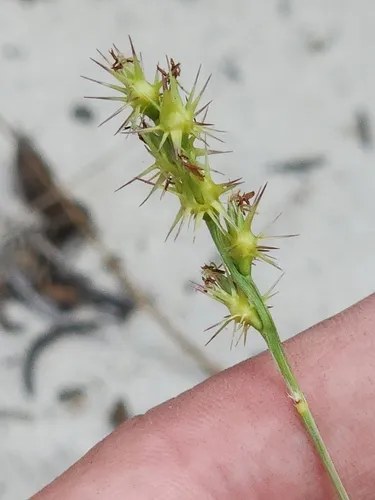
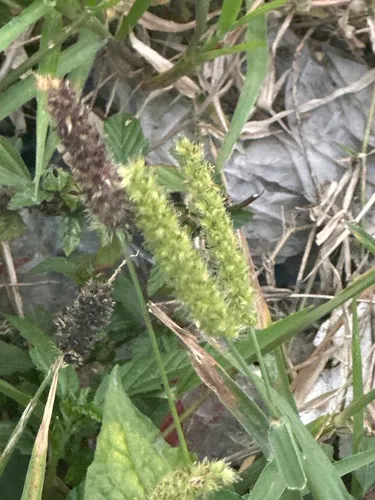
Kamanomano (var. laysanensis) is a perennial grass native to Hawaii.
More about this plant
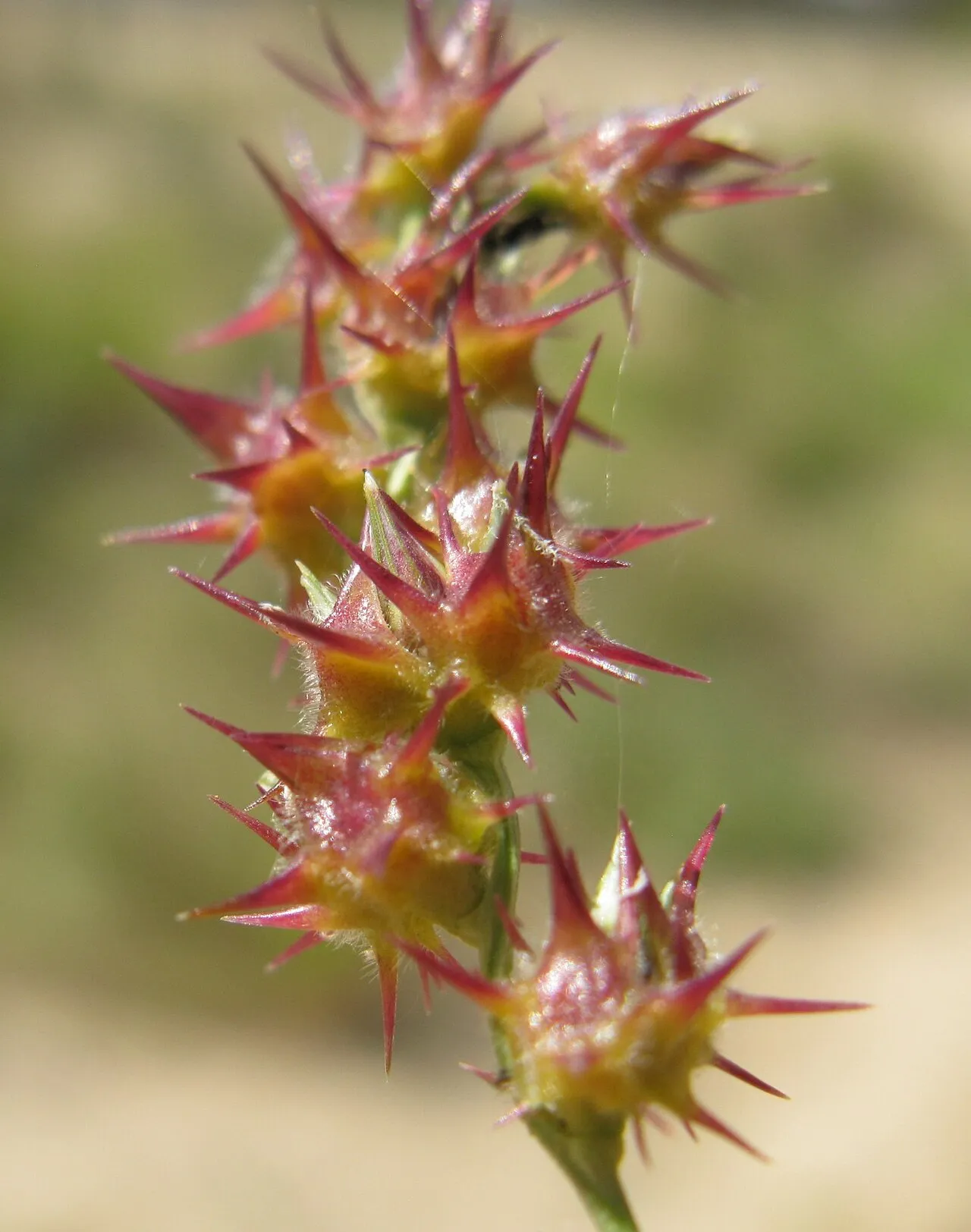
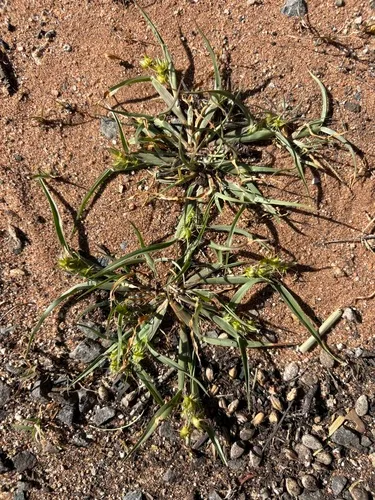
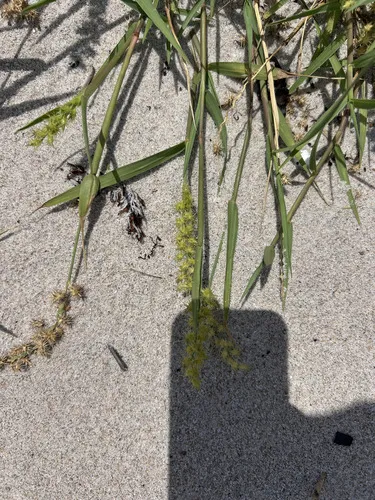
Cenchrus agrimonioides is a rare species of grass in the family Poaceae that is endemic to the Hawaiian Islands. Its common names include Kāmanomano and agrimony sandbur. It was formerly distributed throughout the major islands but today is largely limited to Oʻahu. Kāmanomano can take root in both dry and moist forests as well as lava plains. It is threatened by competition with non-native plants, predation by ungulates, and wildfire. When it became a federally listed endangered species of the United States in 1996, there were fewer than 100 specimens remaining in the wild. More recent counts revealed 181 wild individuals on Oʻahu and over 300 more which have been planted to augment the populations. This plant is mainly restricted to the island of Oʻahu, but there are a select few individuals documented on Maui. A few patches of the grass have been planted on Kahoʻolawe as well. Wikipedia →
Growing & care
USDA PLANTS · TRY- Lifespan
- Perennial
Wildlife & pollinators
How pollinator value is scored →❧ Caterpillar hosts ~3 caterpillar species
Cenchrus supports ~3 caterpillar species.
Native butterfly & moth caterpillars are the base of the terrestrial food web — most songbirds rear their young almost entirely on them. As a host for native Lepidoptera this is a modest genus.
Recorded feeding on Cenchrus in North America, including:


Related plants
More Cenchrus →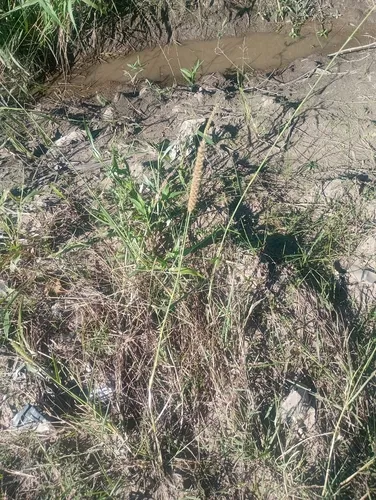
Sources for this entry (11) Open & cited
Cite this page Open data, please attribute
PlantKey’s data is open under CC BY-SA 4.0 — free to reuse and adapt, with attribution and the same licence. Photos keep their own per-image licence + credit (see Sources above).
Loading…
BibTeX
Loading…