
Soft Butterfly Pea Centrosema molle
Soft Butterfly Pea is a perennial vine native to Puerto Rico.
More about this plant
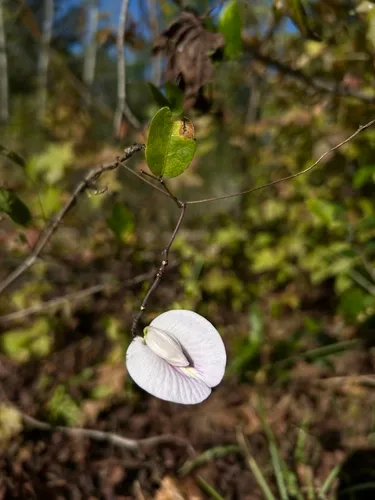
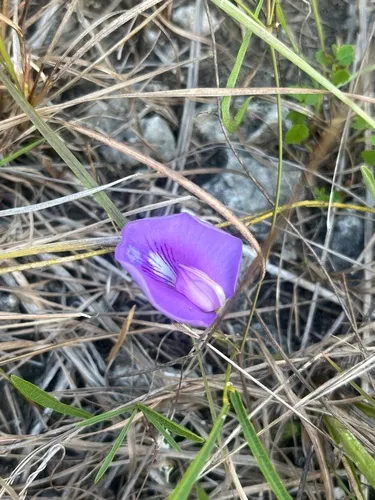
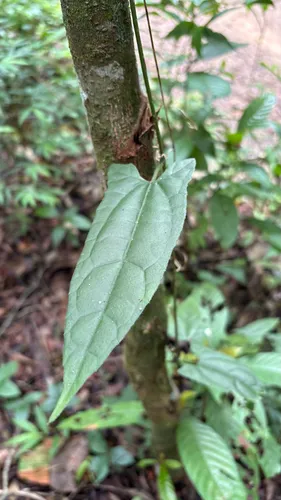
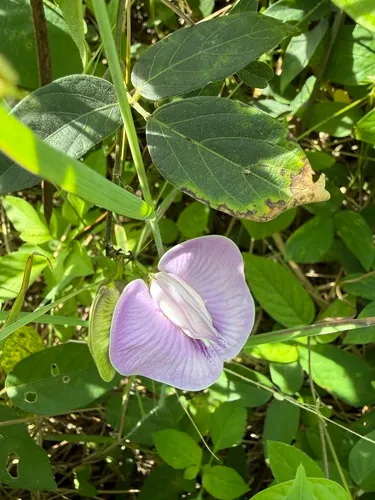
Centrosema molle, the soft butterfly pea or spurred butterfly pea, is a perennial climbing herb in the legume family Fabaceae. Native to regions from southern Mexico through Central and South America, the species is distributed across countries including Brazil, Colombia, Venezuela, and much of the Caribbean, and has been introduced to parts of Asia and the Pacific such as India, Sri Lanka, Thailand, and Samoa. It typically inhabits seasonally dry tropical biomes, thriving in forests, savannas, shrublands, and grasslands. The plant is characterized by its twining habit, three-foliolate velvety leaves, and mauve-purple flowers with a distinctive spur above the claw of the standard petal. The pods are linear and ribbed, reaching up to 17 cm in length. E. molle is used environmentally, particularly for soil improvement and ground cover, and serves as forage for animals. Wikipedia →
Growing & care
USDA PLANTS · TRY- Lifespan
- Perennial
Wildlife & pollinators
How pollinator value is scored →❧ Caterpillar hosts ~4 caterpillar species
Centrosema supports ~4 caterpillar species.
Native butterfly & moth caterpillars are the base of the terrestrial food web — most songbirds rear their young almost entirely on them. As a host for native Lepidoptera this is a modest genus.
Recorded feeding on Centrosema in North America, including:


Related plants
More Centrosema →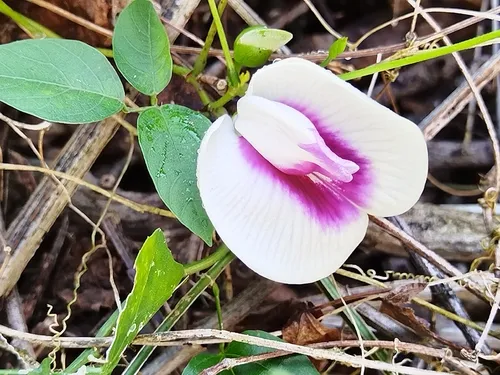
Sources for this entry (12) Open & cited
Cite this page Open data, please attribute
PlantKey’s data is open under CC BY-SA 4.0 — free to reuse and adapt, with attribution and the same licence. Photos keep their own per-image licence + credit (see Sources above).
Loading…
BibTeX
Loading…