Cooper's Lipfern Cheilanthes cooperae
Cooper's Lipfern is a perennial fern native to the lower 48 states.
More about this plant
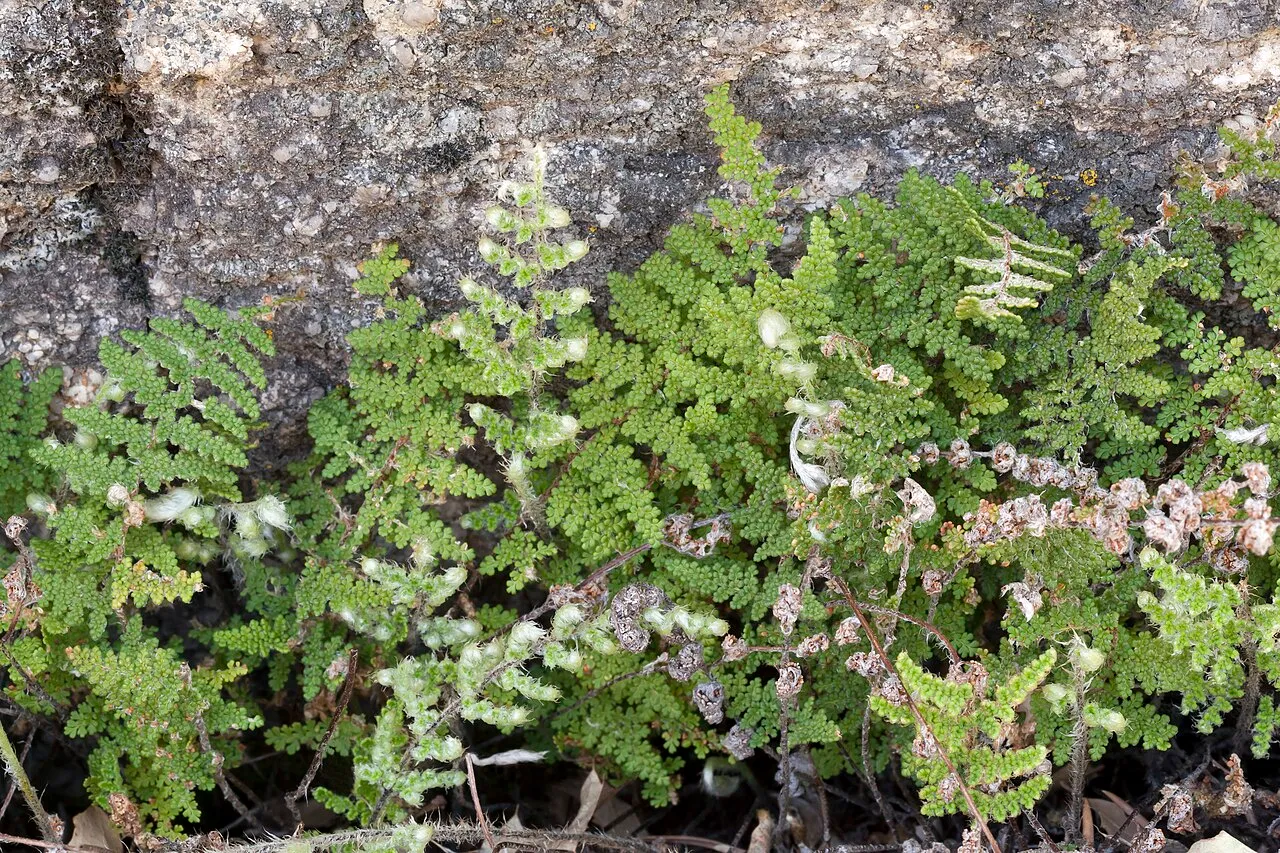
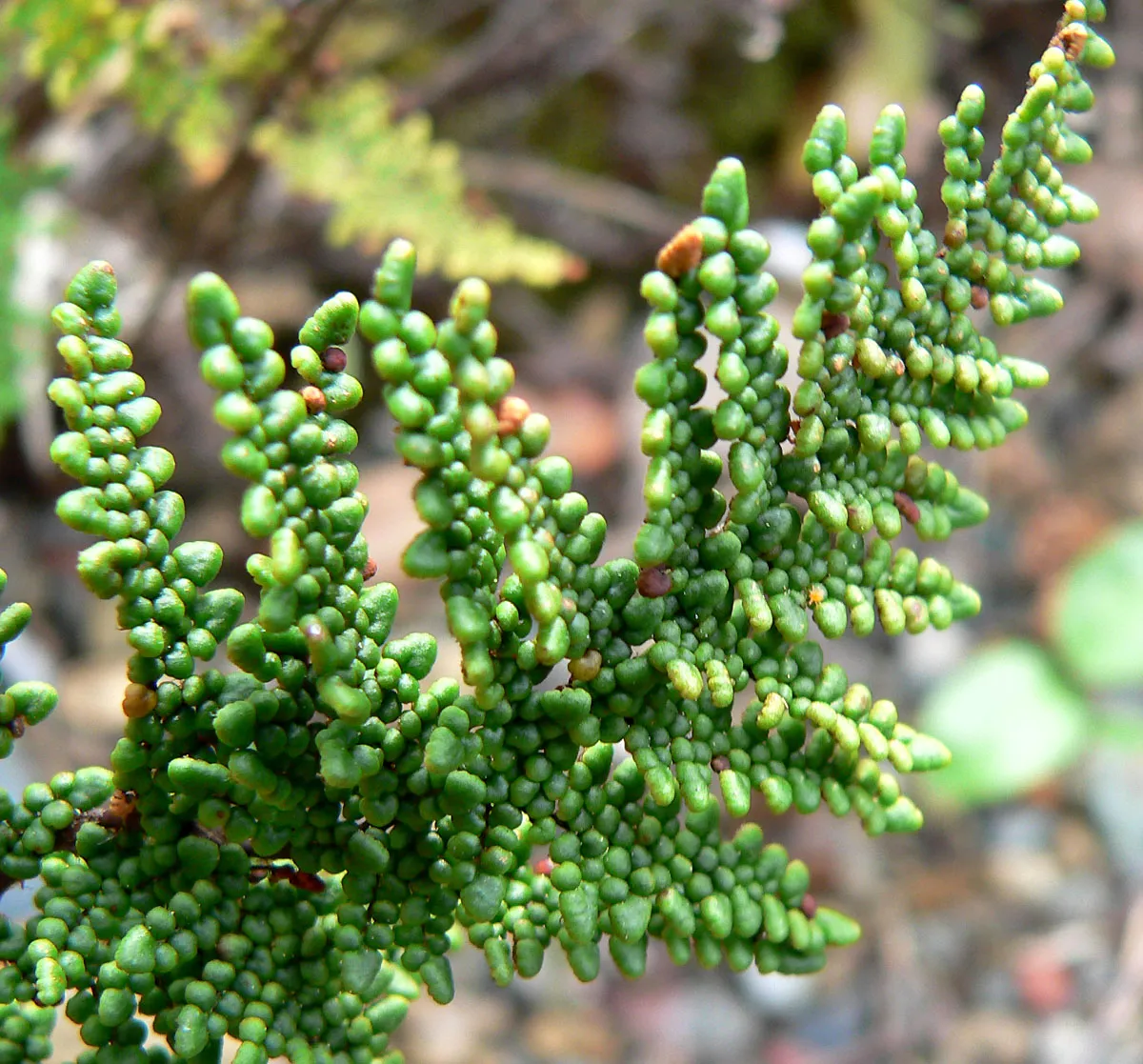
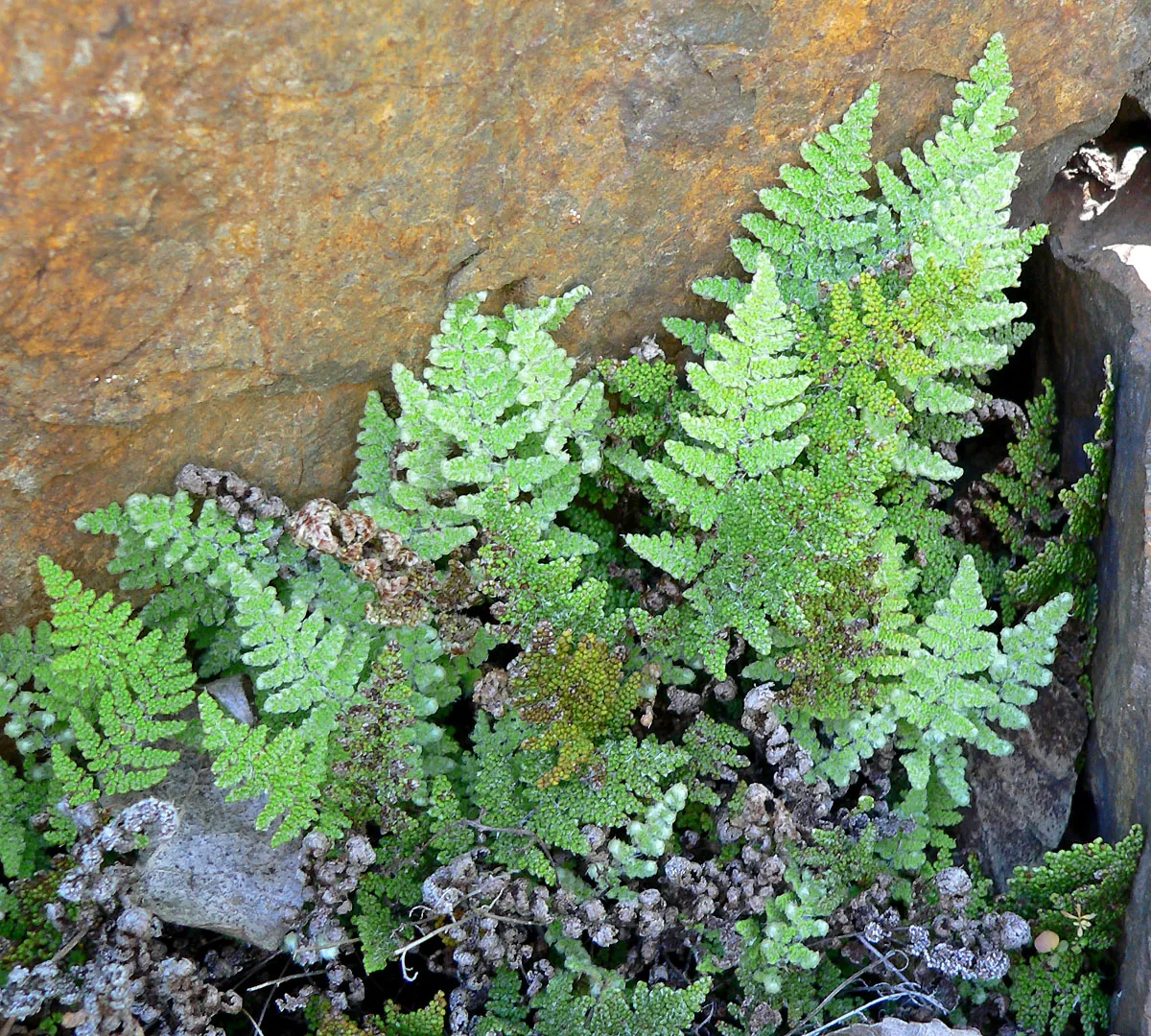
Myriopteris cooperae, commonly called (Mrs.) Cooper's lip fern, is a small fern endemic to California. Its leaves grow in clusters and are highly dissected into oblong segments, rather than the beadlike segments found in some other members of the genus. The axes of the leaves are dark and covered in long, flattened hairs. One of the cheilanthoid lip ferns, it was usually classified in the genus Cheilanthes as Cheilanthes cooperae until 2013, when the genus Myriopteris was again recognized as separate from Cheilanthes. It grows in rocky habitats, usually over limestone. The species was named in honor of its collector, Sarah Paxson Cooper; according to Daniel Cady Eaton, who described it in 1875, it was the first fern species to be named for a female botanist. Wikipedia →
Growing & care
USDA PLANTS · TRY- Hardiness
- ≥ zone 11 derived from its U.S. range
- Lifespan
- Perennial
Related plants
More Cheilanthes →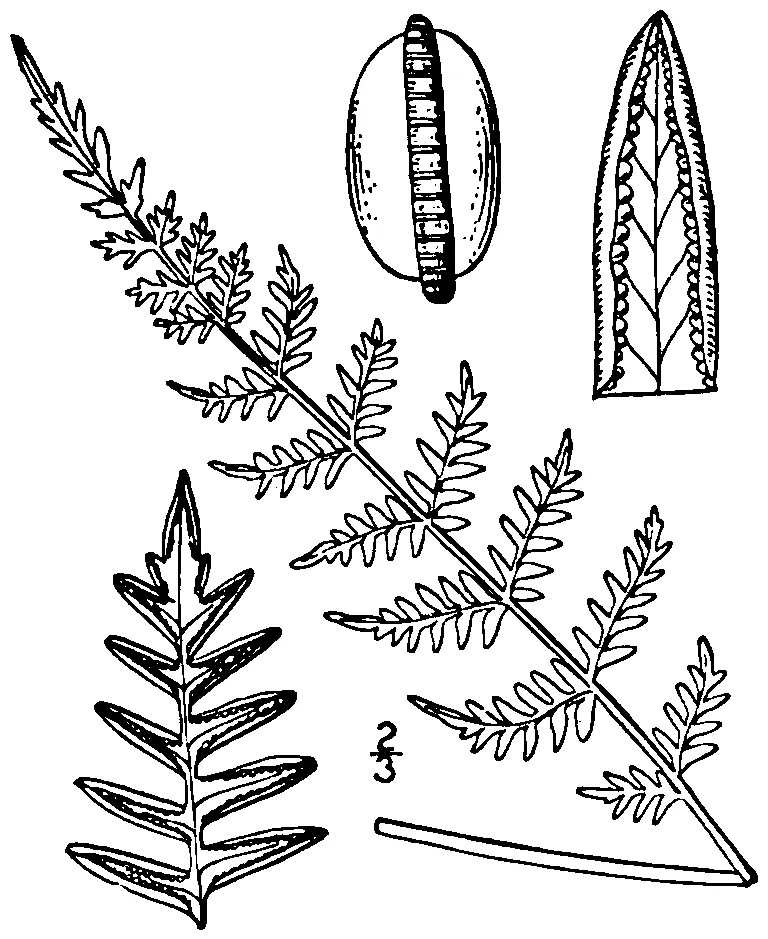
Sources for this entry (8) Open & cited
Cite this page Open data, please attribute
PlantKey’s data is open under CC BY-SA 4.0 — free to reuse and adapt, with attribution and the same licence. Photos keep their own per-image licence + credit (see Sources above).
Loading…
BibTeX
Loading…