
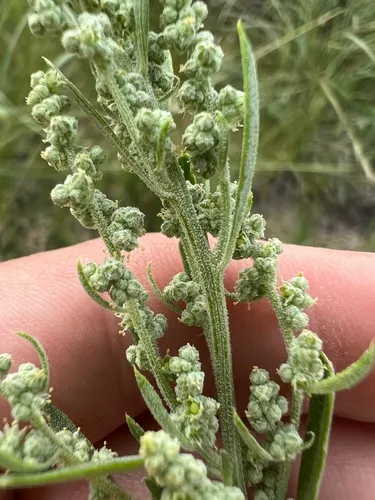
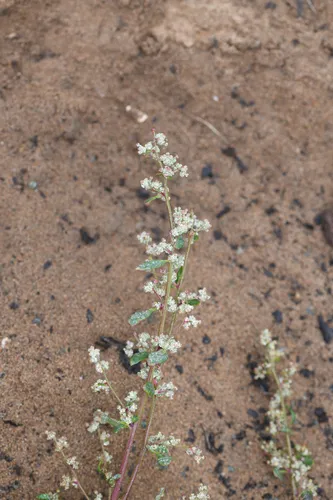
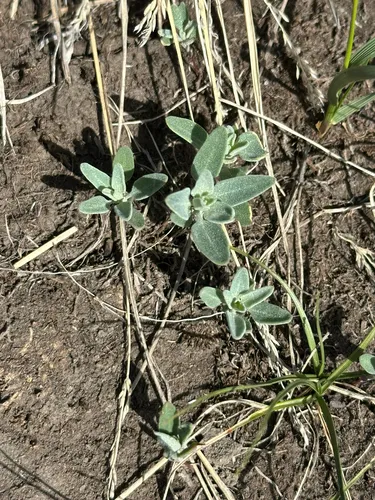
Low Goosefoot Chenopodium chenopodioides
Low Goosefoot is an annual wildflower native to Canada and the lower 48 states. It grows to 0.6 ft and blooms Jun – Nov.
More about this plant
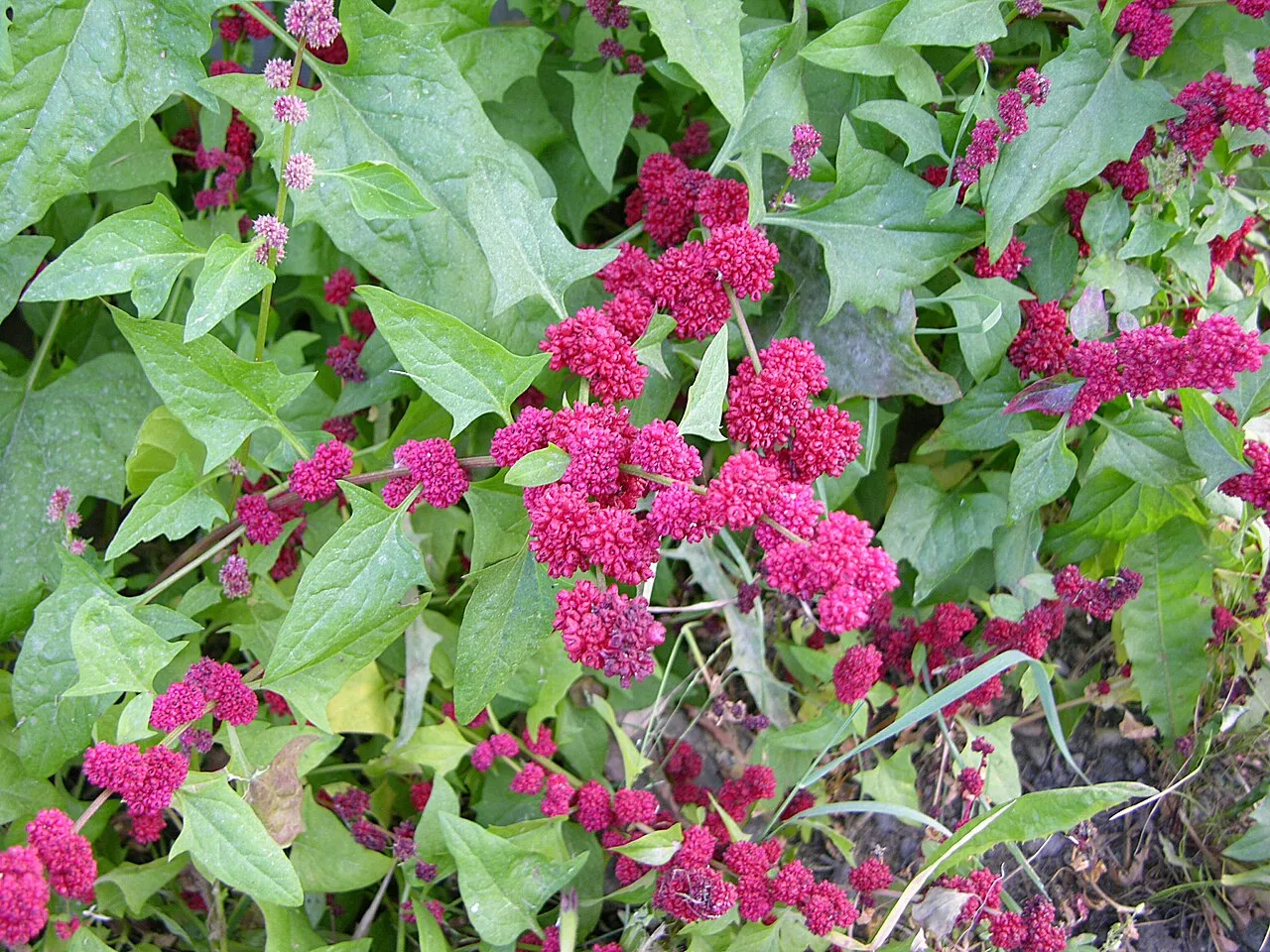
Oxybasis chenopodioides is a species of flowering plant in the family Amaranthaceae known by the common name saltmarsh goosefoot. It is native to Europe, Asia and parts of Africa, where it grows on bare mud in brackish hollows in coastal grassland, inland salt steppes and salty deserts. It has spread to similar habitats in both North and South America. Its habitat is an uncommon one and is threatened by agricultural improvement in many areas, but overall its populations are stable. This species often grows with, and is easily confused with the closely related red goosefoot. Wikipedia →
Growing & care
USDA PLANTS · TRY- Hardiness
- ≥ zone 6 derived from its U.S. range
- Height
- 0.6 ft
- Lifespan
- Annual
- Foliage
- Broadleaf
Wildlife & pollinators
How pollinator value is scored →❧ Caterpillar hosts ~42 caterpillar species
Chenopodium supports ~42 caterpillar species.
Native butterfly & moth caterpillars are the base of the terrestrial food web — most songbirds rear their young almost entirely on them. As a host for native Lepidoptera this is a strong genus.
Recorded feeding on Chenopodium in North America, including:


+ 8 more species → ↑ show fewer


Wildlife & visitors 5 birds · 2 mammals
Open records of who else uses Low Goosefoot — a generalist food-web signal, kept separate from the keystone Ecological Value.
Recorded eaten by 5 birds and 2 mammals species (fruit, seed, browse):


+ 1 more species → ↑ show fewer
Related plants
More Chenopodium →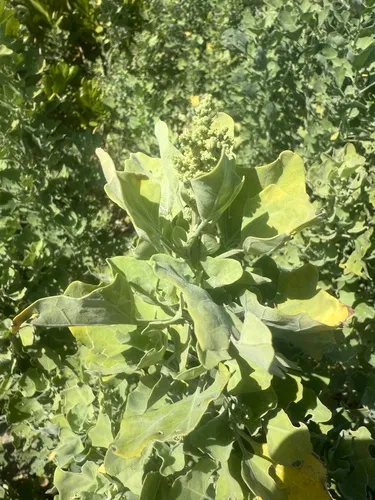
How we know this (1) Methods & honest limits
A recorded categorical fact: each species is tagged C3 (standard), C4 (heat/water-efficient) or CAM (succulent, night-time CO₂ uptake) — or a facultative combination. We only show a trait card for the noteworthy C4/CAM cases; C3 is the unremarkable majority, kept in the data but not surfaced as a card.
Sources for this entry (19) Open & cited
Cite this page Open data, please attribute
PlantKey’s data is open under CC BY-SA 4.0 — free to reuse and adapt, with attribution and the same licence. Photos keep their own per-image licence + credit (see Sources above).
Loading…
BibTeX
Loading…