Tweedy's Pussypaws Cistanthe tweedyi
Tweedy's Pussypaws is a perennial wildflower native to Canada and the lower 48 states.
More about this plant
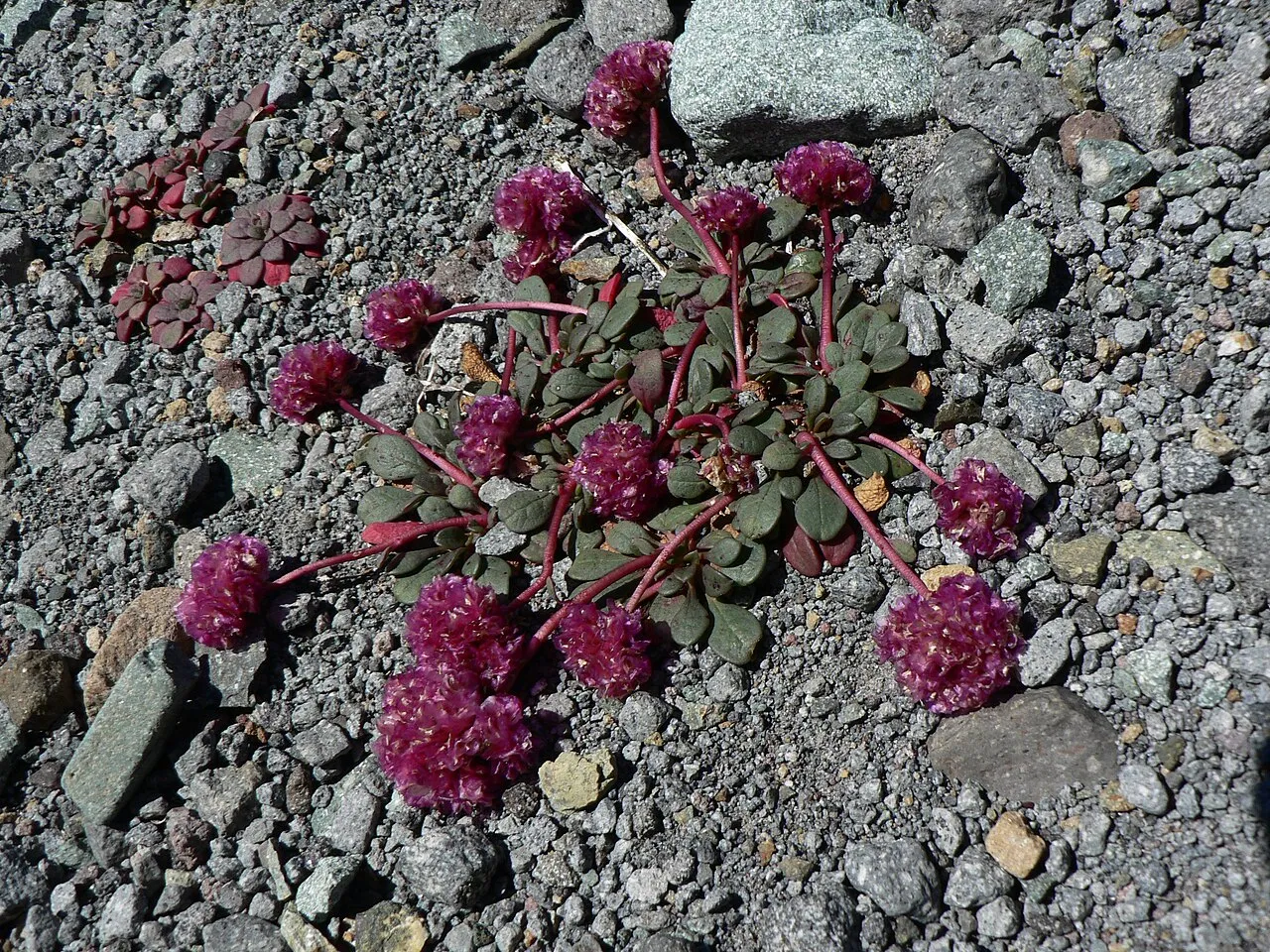
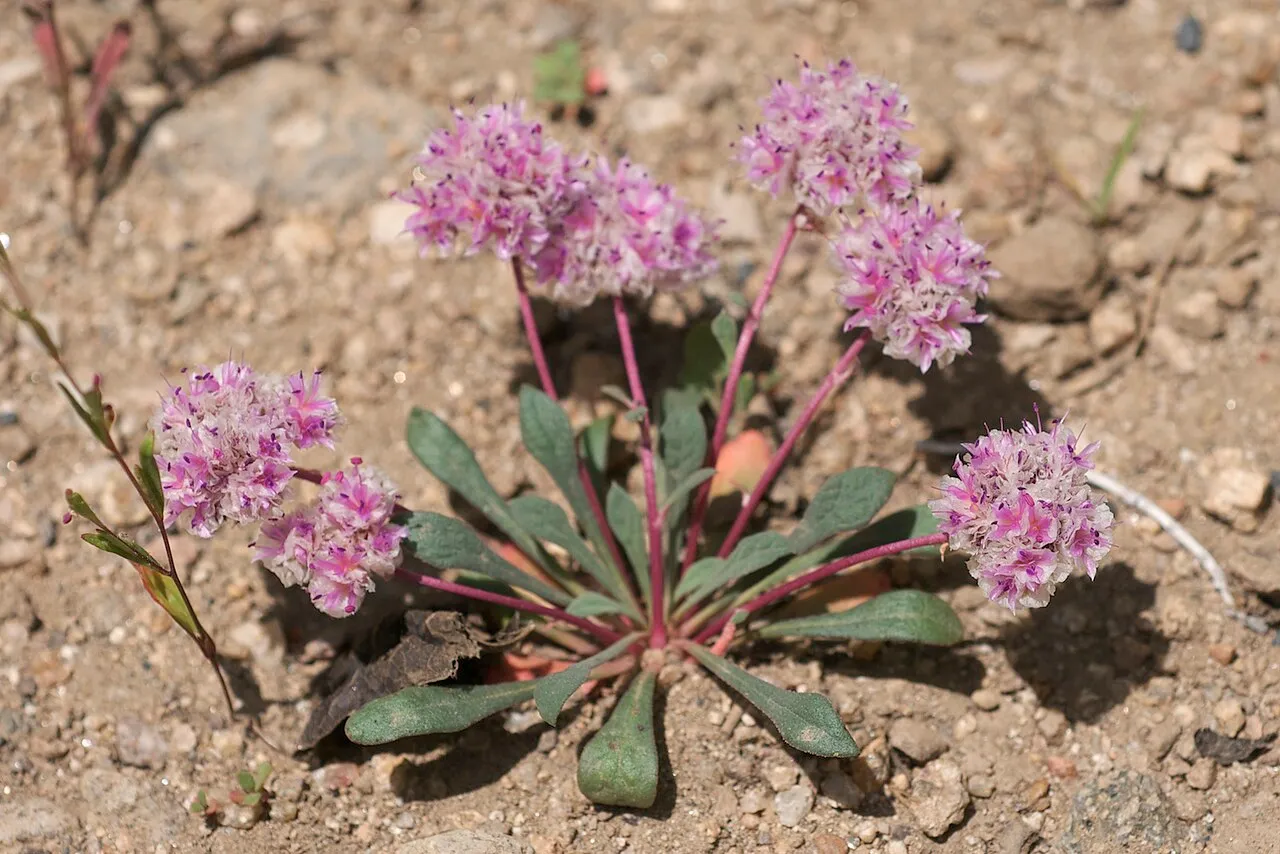
Lewisiopsis tweedyi is a flowering plant and sole species in genus Lewisiopsis. The species, formerly known as Cistanthe tweedyi and Lewisia tweedyi, is now classified in the family Montiaceae. The plant is known by the common names Tweedy's pussypaws, Tweedy's lewisia, or Tweedy's bitterroot. It is endemic to western North America in north-central Washington and adjacent British Columbia. It commonly grows on well-drained slopes often on rocky slopes or in rock crevices from low elevation ponderosa pine sites up to the drier part of the Grand Fir zone of the North Cascades. The flowers usually have a coral, apricot, or pink color. Wikipedia →
Growing & care
USDA PLANTS · TRY- Hardiness
- ≥ zone 9 derived from its U.S. range
- Lifespan
- Perennial
Related plants
More Cistanthe →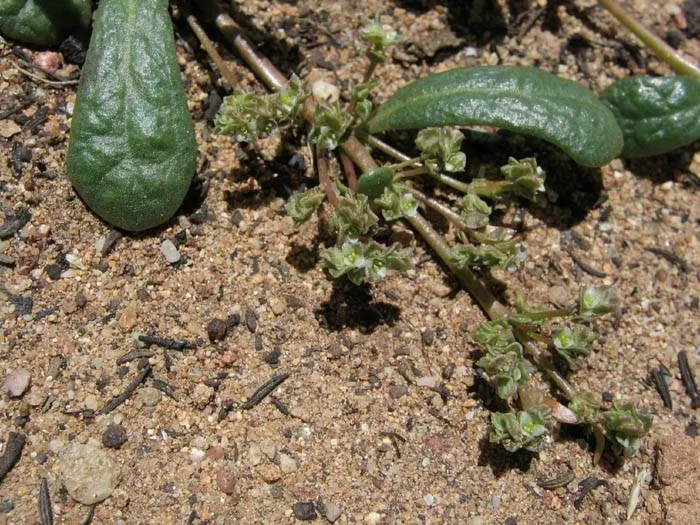
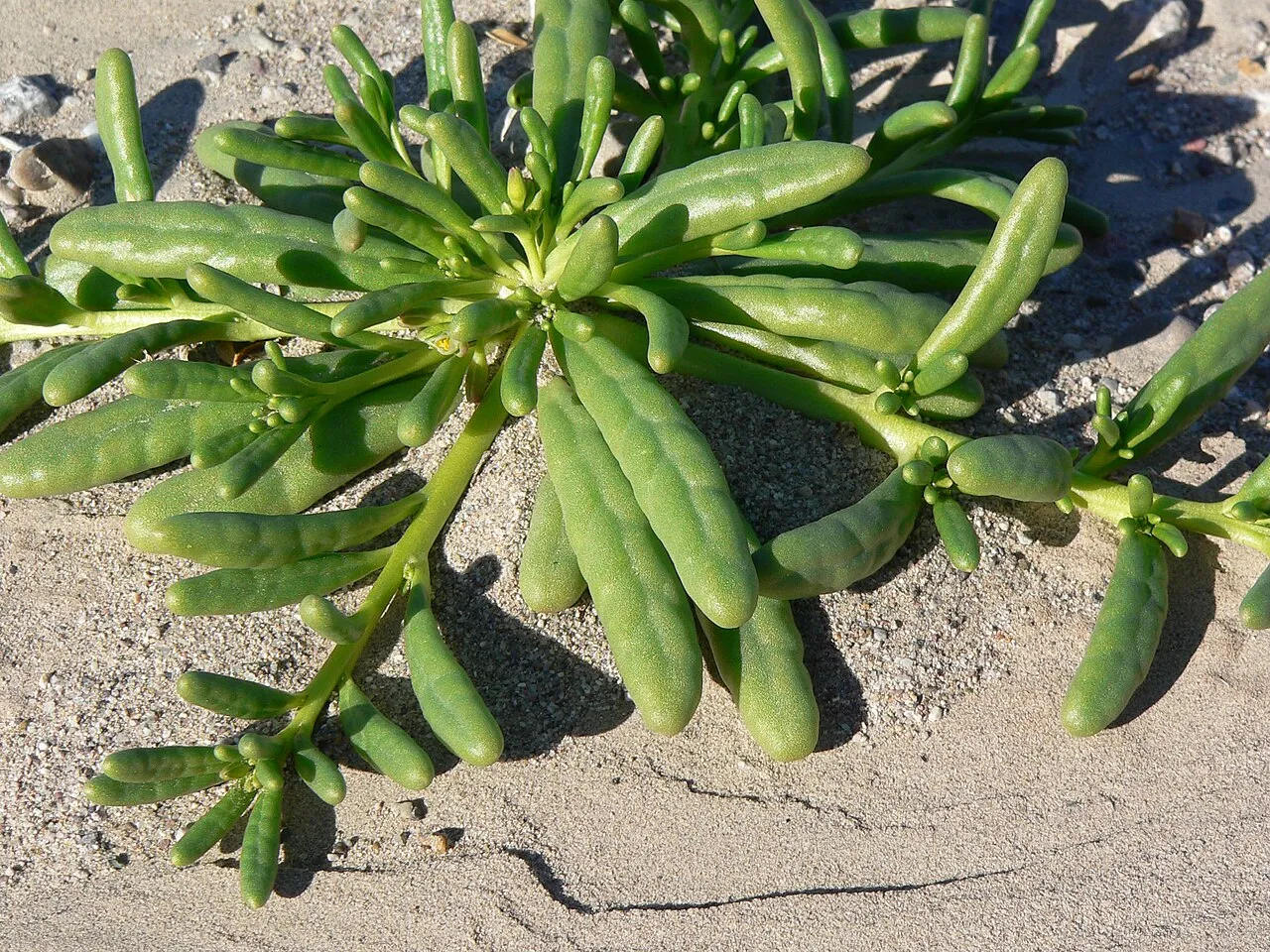
Sources for this entry (8) Open & cited
Cite this page Open data, please attribute
PlantKey’s data is open under CC BY-SA 4.0 — free to reuse and adapt, with attribution and the same licence. Photos keep their own per-image licence + credit (see Sources above).
Loading…
BibTeX
Loading…