
Berlandier's Fiddlewood Citharexylum berlandieri
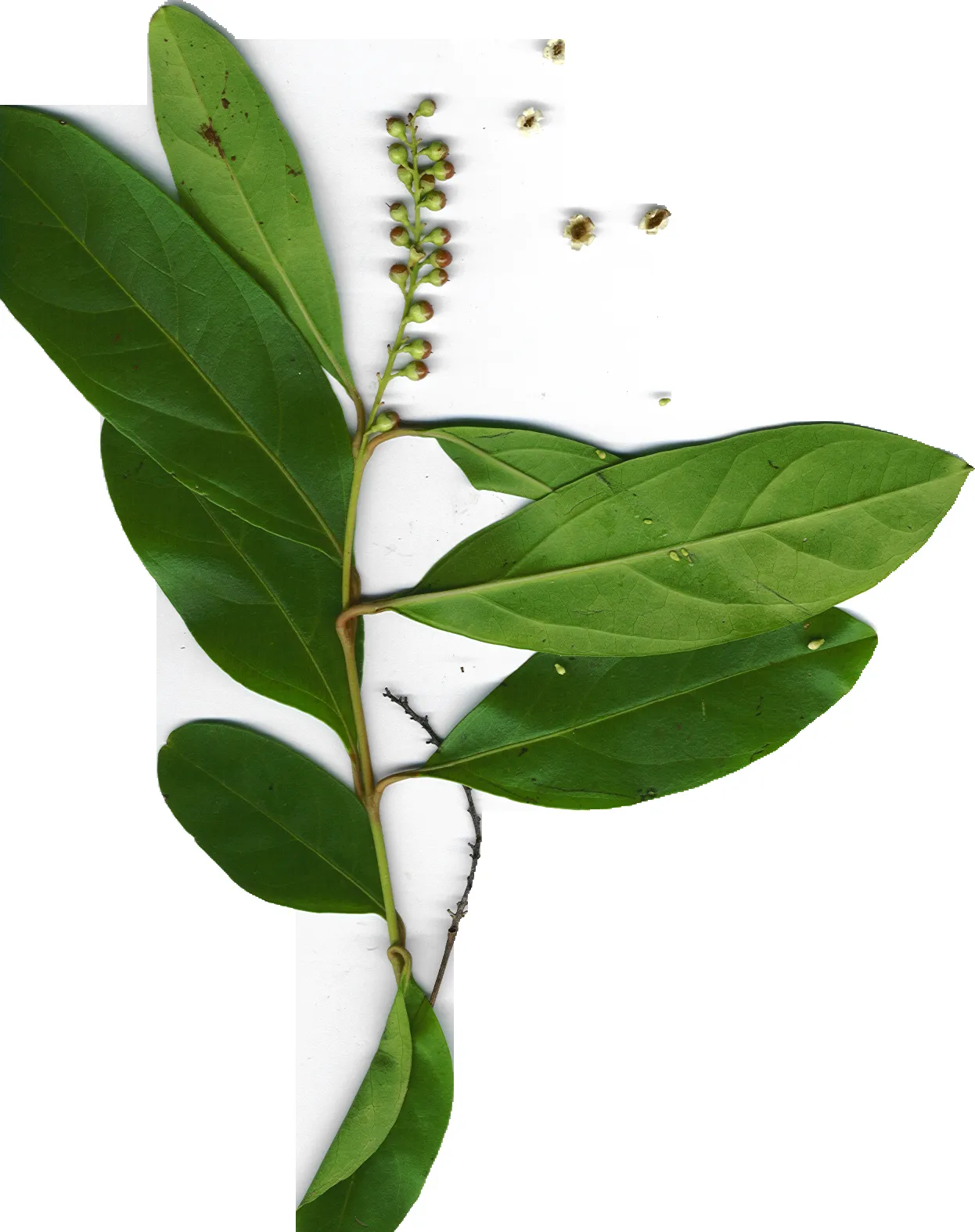
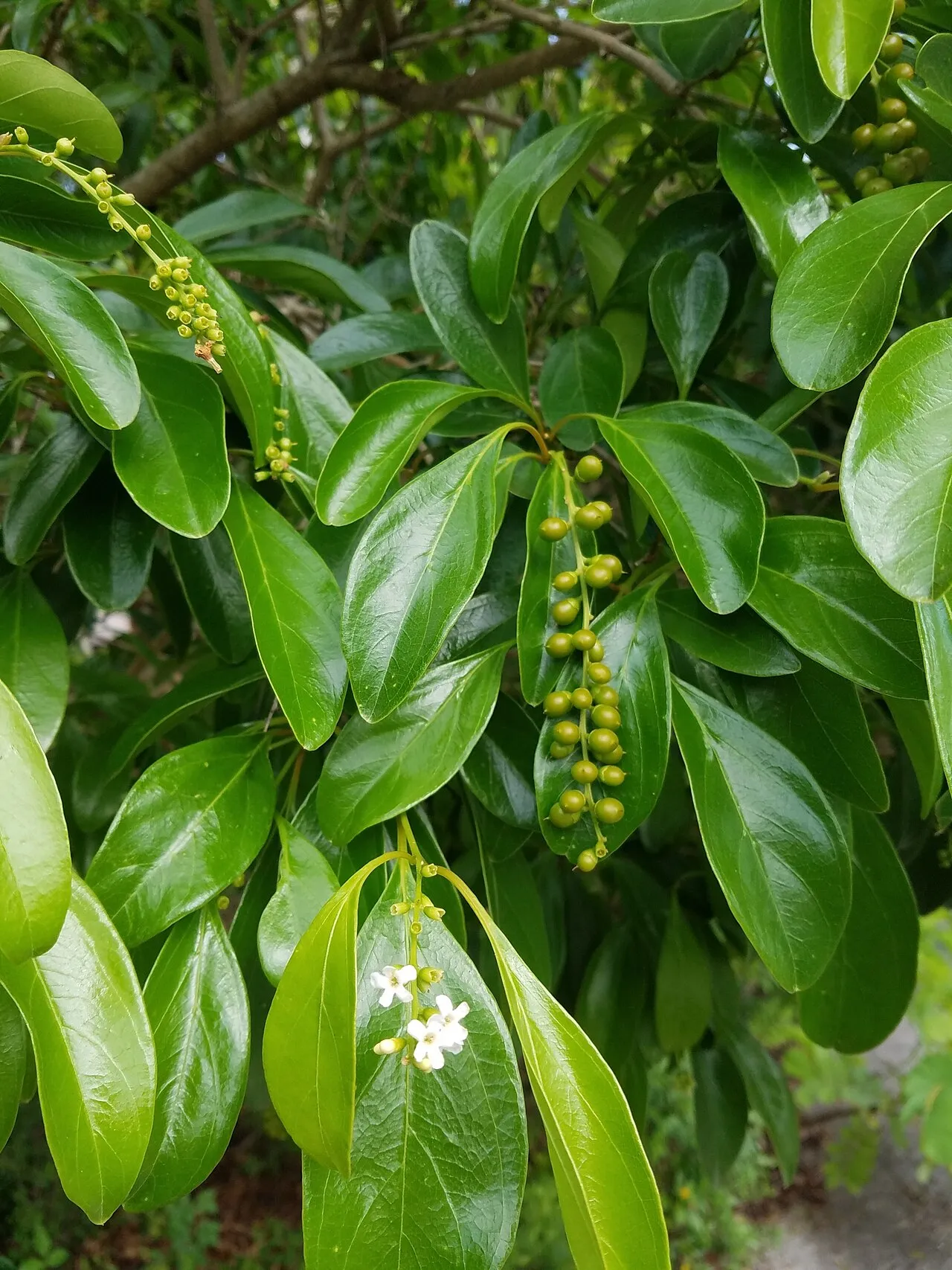
Berlandier's Fiddlewood is a perennial tree native to the lower 48 states.
More about this plant
Citharexylum berlandieri is a species of flowering plant in the verbena family, Verbenaceae, that is native to the Lower Rio Grande Valley of Texas in the United States and Mexico as far south as Oaxaca. Common names include Tamaulipan fiddlewood, Berlandier fiddlewood, negrito fiddlewood, negrito, and orcajuela. It is a shrub or small tree, reaching a height of 6 m (20 ft). The type specimen of this species was collected from the hills near Las Canoas, San Luis Potosí by Cyrus Pringle in 1890. It was described as a new species the following year by Benjamin Lincoln Robinson, who chose the specific epithet to honour French naturalist Jean-Louis Berlandier. Wikipedia →
Growing & care
USDA PLANTS · TRY- Hardiness
- ≥ zone 10 derived from its U.S. range
- Lifespan
- Perennial
- Foliage
- Broadleaf
- Flower colour
- White AI AI image-analysis of community-science photos (~87% expert agreement) — not a botanical record
Wildlife & pollinators
How pollinator value is scored →❧ Caterpillar hosts Documented caterpillar host
Recorded feeding on Citharexylum in North America, including:


✦ Bees 4 bee visitors
4 native & managed bee species are documented visiting Berlandier's Fiddlewood :


Wildlife & visitors 1 bird · 6 nectaring
Open records of who else uses Berlandier's Fiddlewood — a generalist food-web signal, kept separate from the keystone Ecological Value.
Recorded eaten by 1 bird species (fruit, seed, browse):

6 adult butterfly & moth species are recorded nectaring at its flowers:


Related plants
More Citharexylum →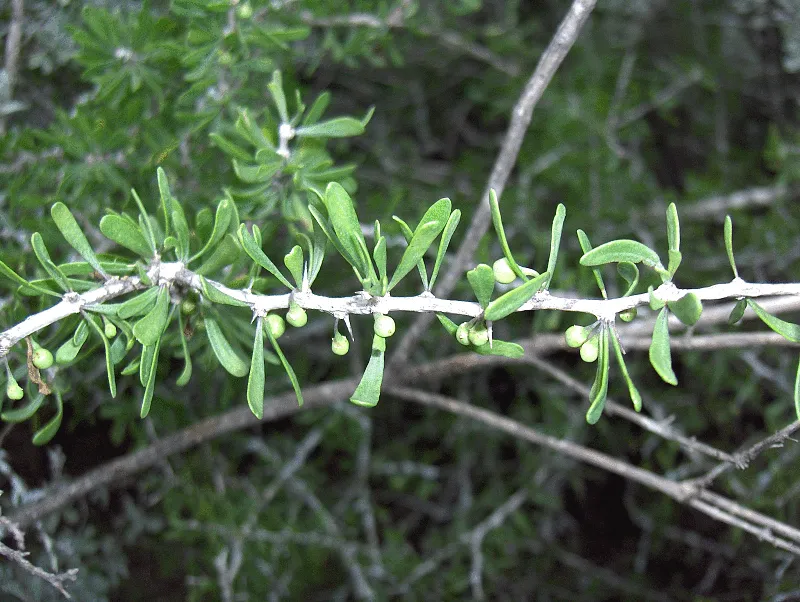
How we know this (2) Methods & honest limits
A recorded categorical fact: each species is tagged C3 (standard), C4 (heat/water-efficient) or CAM (succulent, night-time CO₂ uptake) — or a facultative combination. We only show a trait card for the noteworthy C4/CAM cases; C3 is the unremarkable majority, kept in the data but not surfaced as a card.
McKenzie et al. assigned each species a flower colour with a GPT-4V vision model over iNaturalist photos. We use the confident tier plus a separately-labelled lower-confidence top-up (mostly inconspicuous green/brown flowers), and render it as a small tint — never as an asserted fact, and kept out of the written synopsis.
Honest limits: AI image inference (~87% expert agreement on the confident tier); a decorative, confidence-tiered indicator, not a measured trait.
Sources for this entry (20) Open & cited
Cite this page Open data, please attribute
PlantKey’s data is open under CC BY-SA 4.0 — free to reuse and adapt, with attribution and the same licence. Photos keep their own per-image licence + credit (see Sources above).
Loading…
BibTeX
Loading…