
Jones Spiderflower (var. jonesii) Cleome lutea var. jonesii variety
Jones Spiderflower (var. jonesii) is an annual wildflower native to the lower 48 states. A host for pollen-specialist native bees.
More about this plant
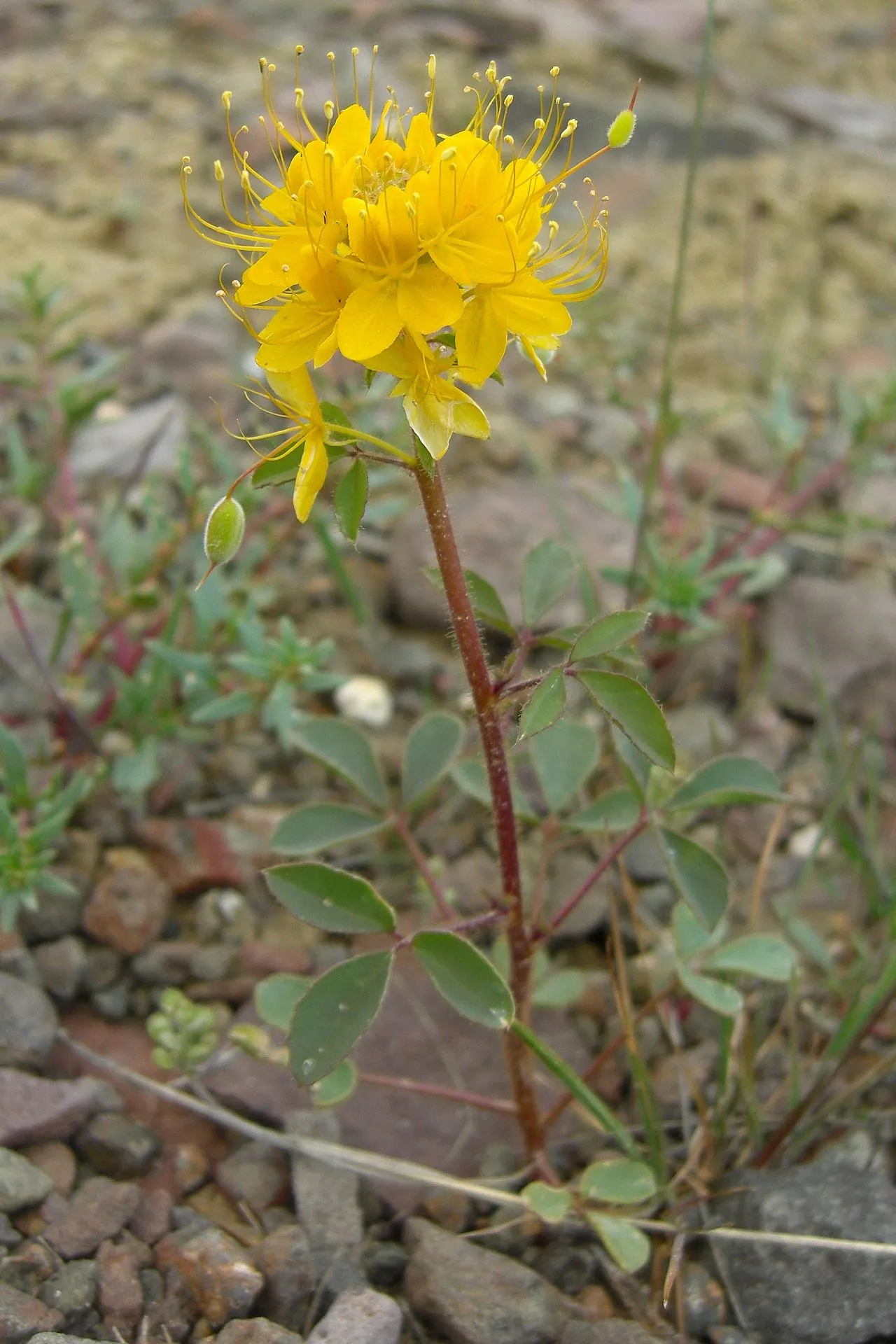
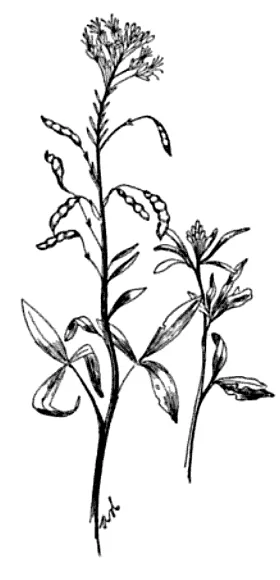
Cleomella lutea is a species of flowering plant known by the common names yellow bee plant and yellow spiderflower. This annual wildflower is native to the western United States where it is most common in desert scrub and plateau habitats. It is a sprawling plant often exceeding 1 metre in height. The erect stem can be branched and has widely spaced leaves all the way along, each leaf made up of three to five leaflets, which are smaller closer to the top of the plant. Atop the stem is a showy inflorescence of many bright yellow flowers. Each flower has four narrow sepals and four oblong petals around a cluster of six long stamens tipped with knobby anthers. As the inflorescence lengthens at the top of the stem, flowers that have opened and been pollinated drop their petals and the ovary develops into a fruit. The fruits are capsules several centimeters long containing large seeds; these develop at the base of the inflorescence and hang on pedicels. A flowering plant may have blooming flowers at the top of the stem and ripening capsules dangling off the stem further down. Wikipedia →
Growing & care
USDA PLANTS · TRY- Hardiness
- ≥ zone 10 derived from its U.S. range
- Lifespan
- Annual
Wildlife & pollinators
How pollinator value is scored →❧ Caterpillar hosts ~5 caterpillar species
Cleome supports ~5 caterpillar species.
Native butterfly & moth caterpillars are the base of the terrestrial food web — most songbirds rear their young almost entirely on them. As a host for native Lepidoptera this is a modest genus.
Recorded feeding on Cleome in North America, including:


+ 2 more species → ↑ show fewer


✦ Bees specialist-bee host
Specialist native bees depend on it.
Some native bees are pollen specialists (oligolectic) — they raise young only on pollen from particular plant genera. Cleome is a recorded specialist-bee host, so losing it can mean losing the bee that relies on it.
Related plants
More Cleome →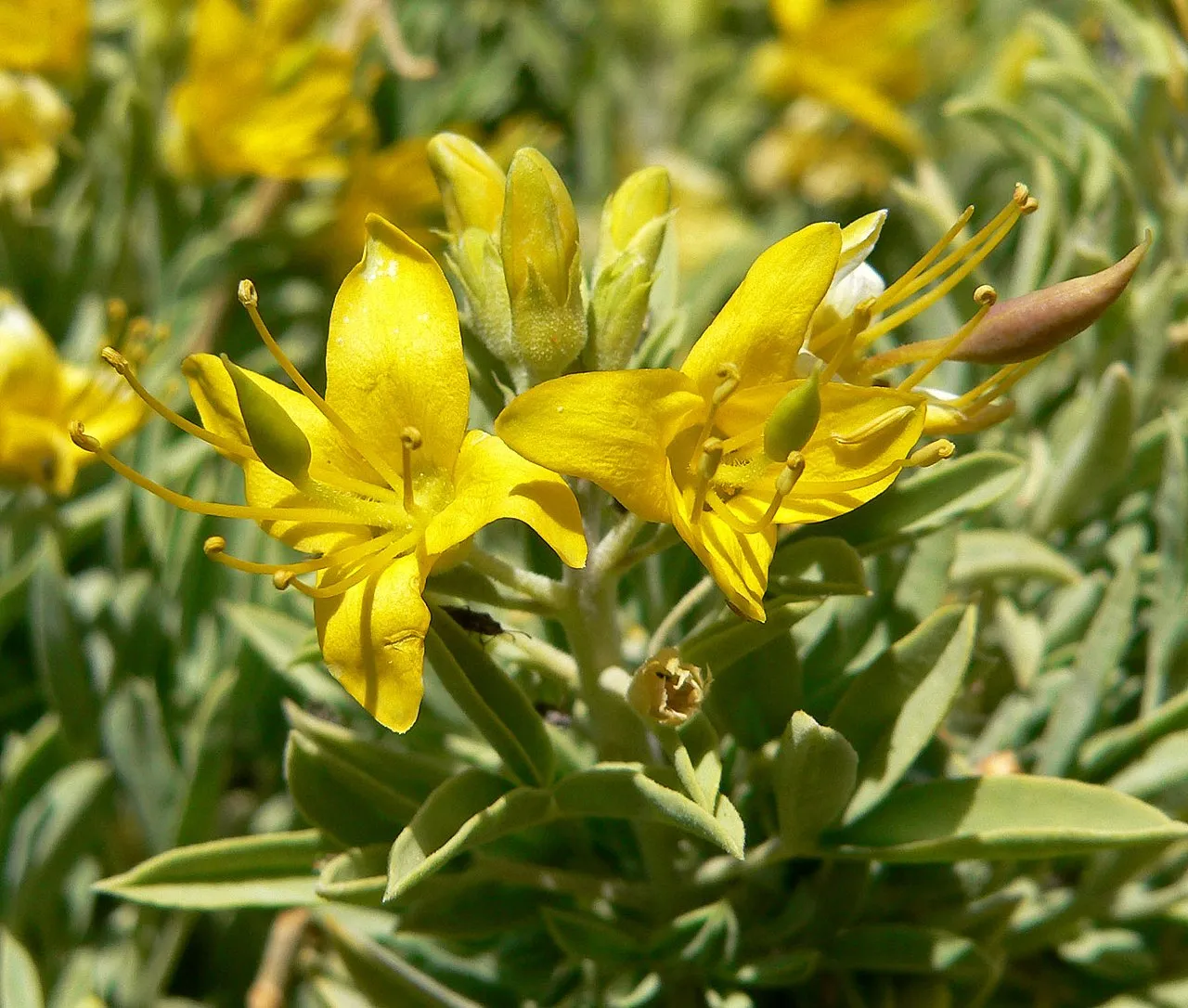
Sources for this entry (11) Open & cited
Cite this page Open data, please attribute
PlantKey’s data is open under CC BY-SA 4.0 — free to reuse and adapt, with attribution and the same licence. Photos keep their own per-image licence + credit (see Sources above).
Loading…
BibTeX
Loading…