
Rocky Mountain Beeplant Cleome serrulata
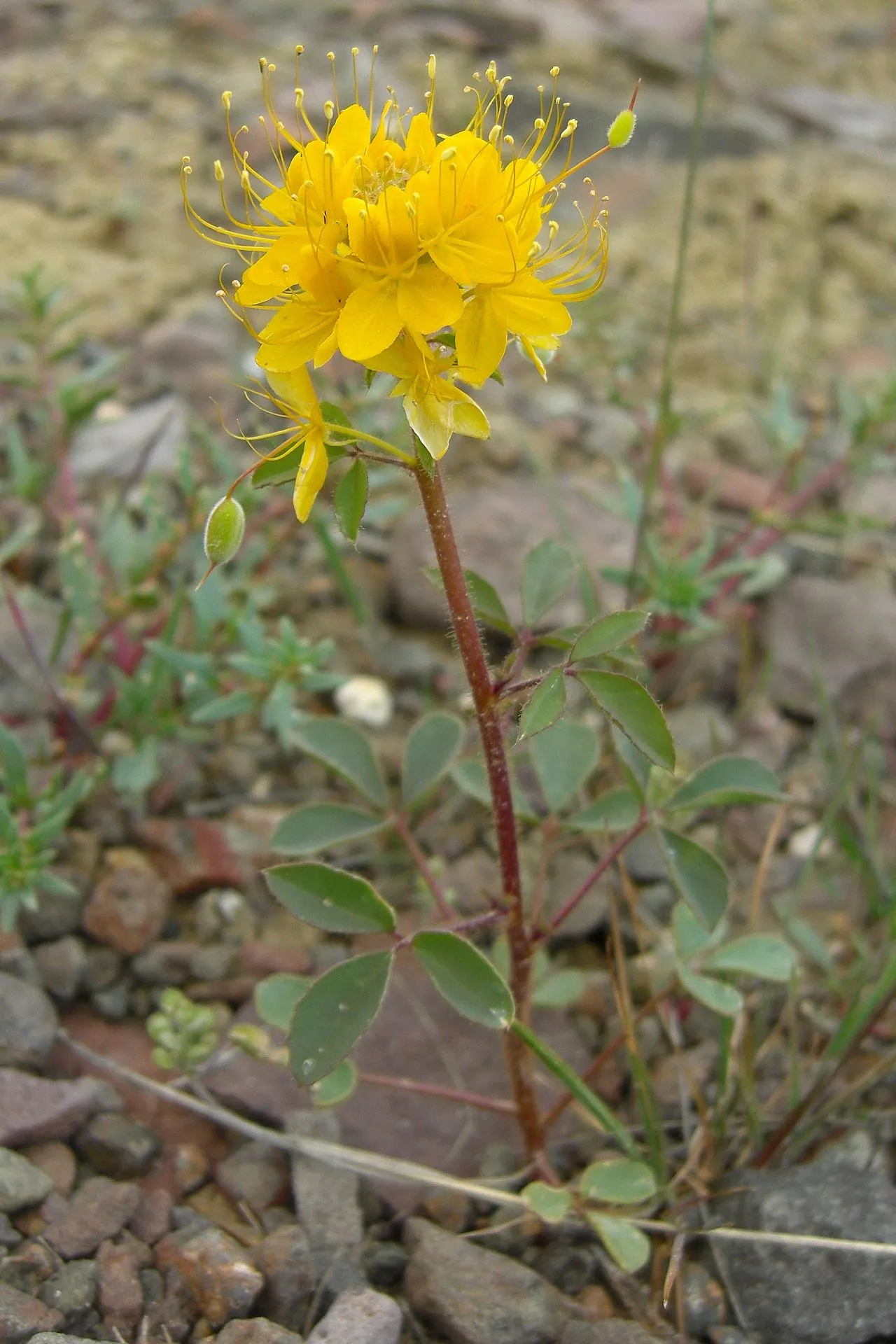
Rocky Mountain Beeplant is an annual wildflower native to Canada and the lower 48 states. It grows to 3 ft and blooms May in full sun – part shade, with black fruit. A host for pollen-specialist native bees.
More about this plant
Cleomella serrulata, commonly known as Rocky Mountain beeplant/beeweed, stinking-clover, bee spider-flower, skunk weed, Navajo spinach, and guaco, is a species of annual plant in the genus Cleomella. Many species of insects are attracted to it, especially bees, which helps in the pollination of nearby plants. It is native to southern Canada and the western and central United States. The plant has often been used for food, to make dyes for paint, and as a treatment in traditional medicine. Wikipedia →
Growing & care
USDA PLANTS · TRY- Sun
- Full sun – part shade
- Soil & moisture
- Medium moisture
- Soil pH
- 6–7.6
- Fertility need
- Medium
- Adapts to
- Coarse (sandy), Medium (loam)
- Hardiness
- USDA zone 13+
- Height
- 3 ft
- Spacing
- 2–3 ft apart from USDA planting density
- Spread
- None — clumping
- Growth rate
- Rapid
- Growth form
- Single crown
- Lifespan
- Annual
- Foliage
- Broadleaf · medium texture
- Active growth
- Spring & summer
- Fruit
- Black persists into winter
- Propagate by
- Seed, Bare root
- Seed starting
- No stratification needed
- Seeds ripen
- Summer seed-collection / harvest window
- In the trade
- Contract growing only
- Resprouts if cut
- No
Sow timing keys off your local last- and first-frost dates.
Wildlife & pollinators
How pollinator value is scored →❧ Caterpillar hosts ~5 caterpillar species
Cleome supports ~5 caterpillar species.
Native butterfly & moth caterpillars are the base of the terrestrial food web — most songbirds rear their young almost entirely on them. As a host for native Lepidoptera this is a modest genus.
Recorded feeding on Cleome in North America, including:


+ 2 more species → ↑ show fewer


✦ Bees specialist-bee host
Specialist native bees depend on it.
Some native bees are pollen specialists (oligolectic) — they raise young only on pollen from particular plant genera. Cleome is a recorded specialist-bee host, so losing it can mean losing the bee that relies on it.
Related plants
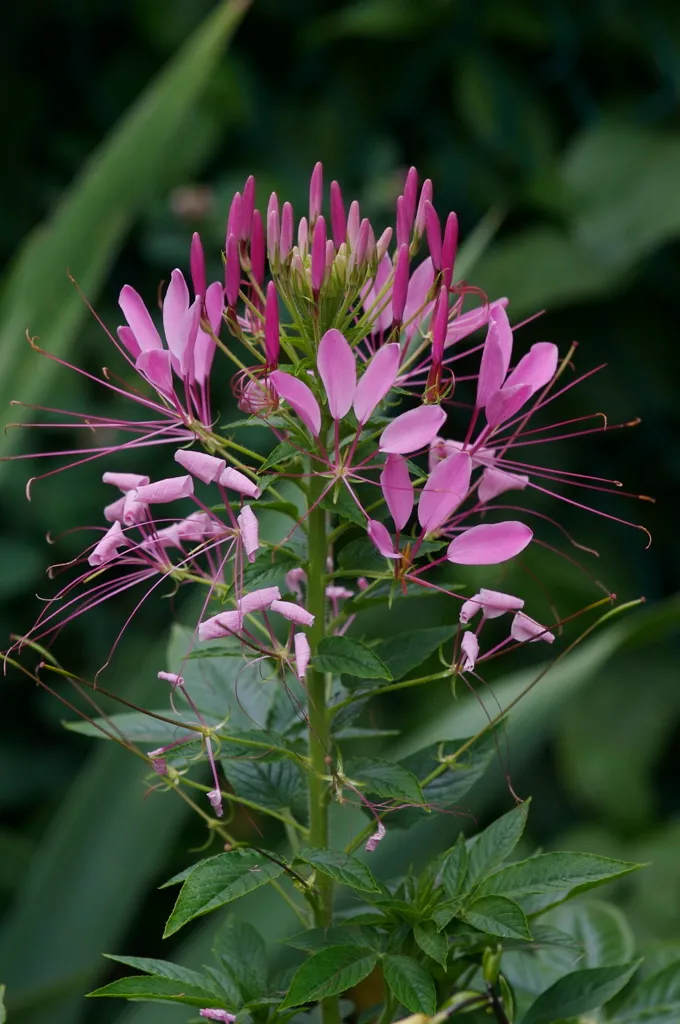
More Cleome →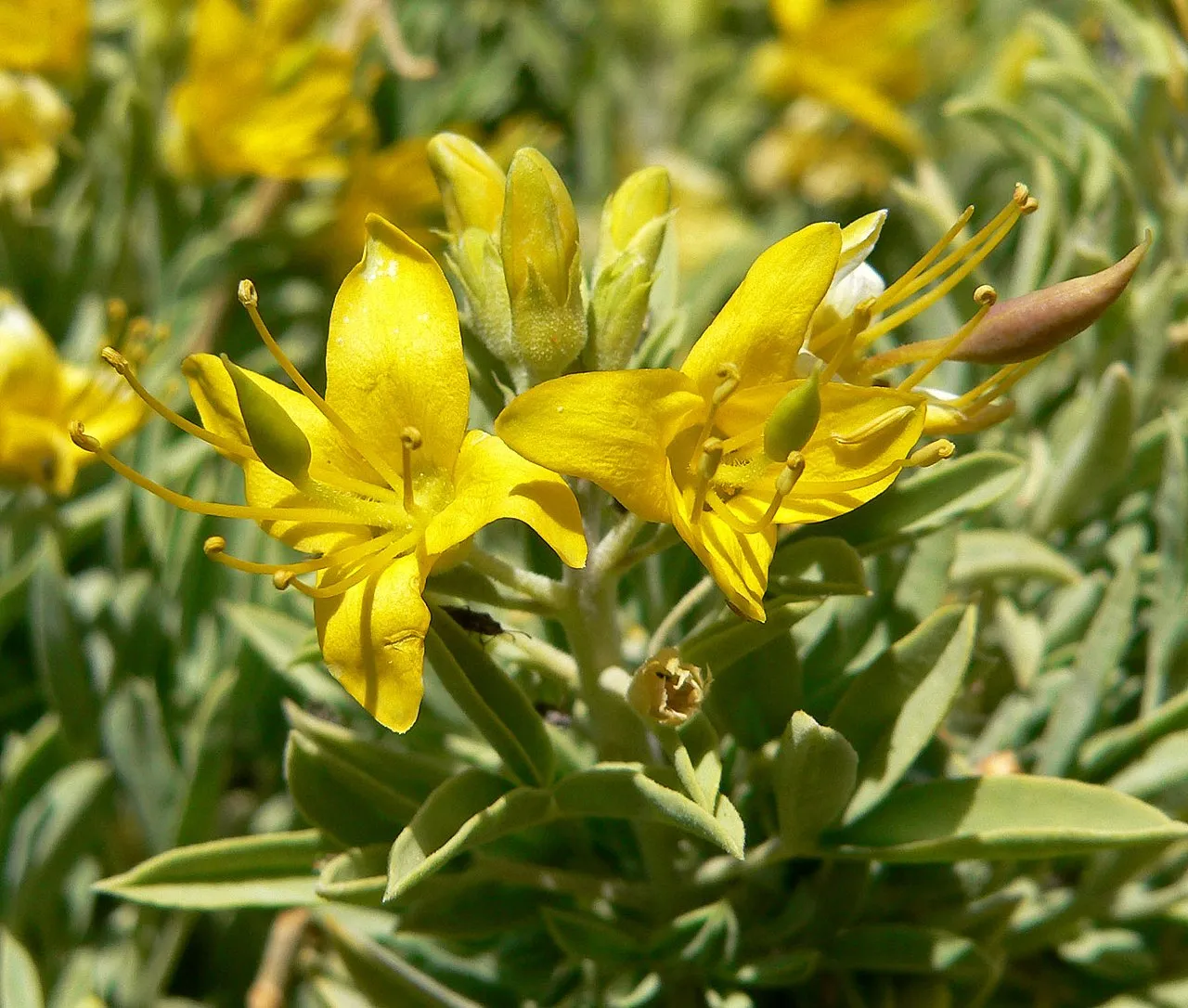
How we know this (1) Methods & honest limits
A recorded categorical fact: each species is tagged C3 (standard), C4 (heat/water-efficient) or CAM (succulent, night-time CO₂ uptake) — or a facultative combination. We only show a trait card for the noteworthy C4/CAM cases; C3 is the unremarkable majority, kept in the data but not surfaced as a card.
Sources for this entry (27) Open & cited
Cite this page Open data, please attribute
PlantKey’s data is open under CC BY-SA 4.0 — free to reuse and adapt, with attribution and the same licence. Photos keep their own per-image licence + credit (see Sources above).
Loading…
BibTeX
Loading…