
Shiny Cotoneaster Cotoneaster lucidus
Shiny Cotoneaster is an introduced perennial shrub, found in the lower 48 states.
More about this plant
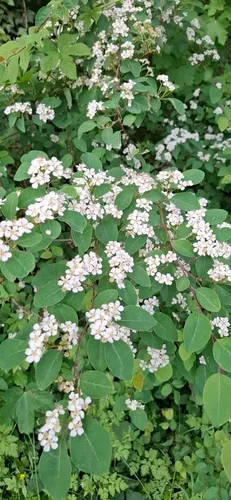
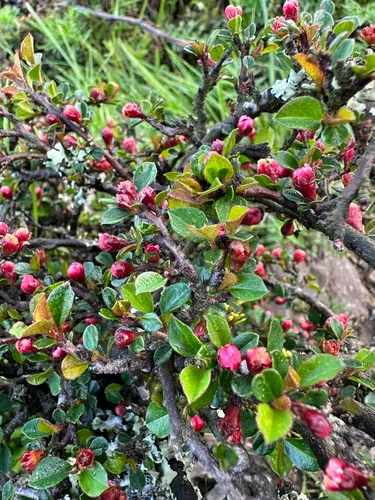
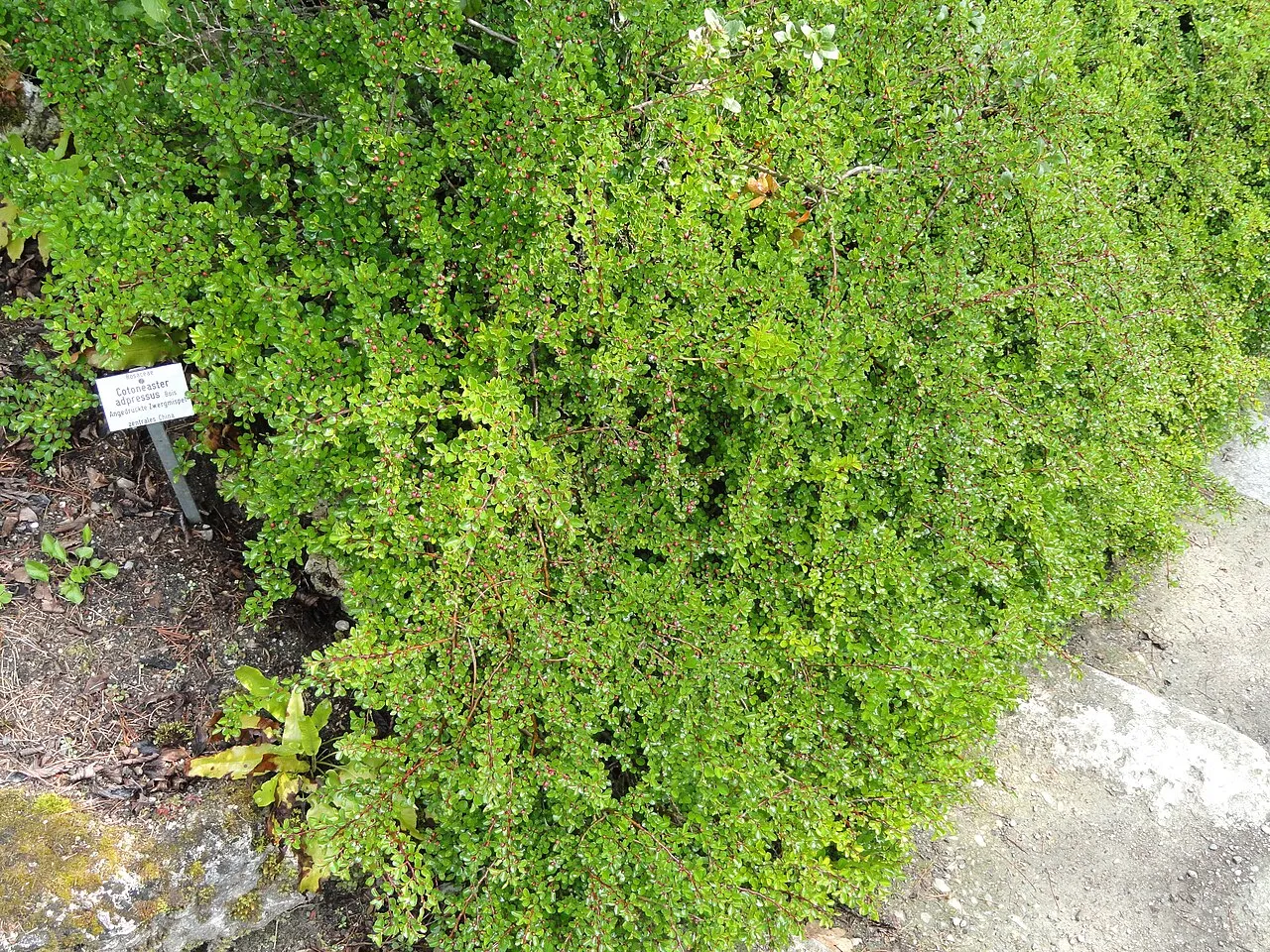
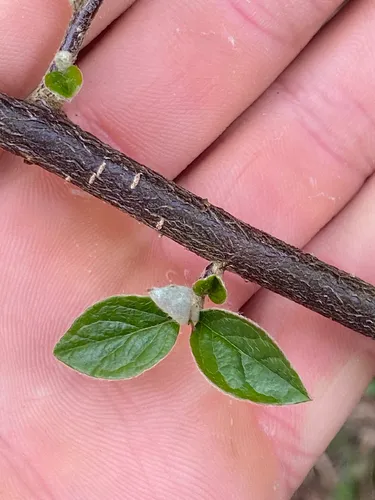
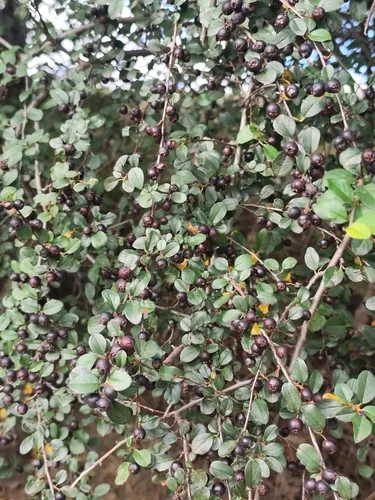
Cotoneaster lucidus, the shiny cotoneaster, or hedge cotoneaster, is a deciduous, medium-sized shrub with long, spreading branches reaching heights of 6' to 10'. It is native to parts of northern Asia, and adapted to tolerate colder weather (to zone 4). C. lucidus was described in 1856 by Diederich Franz Leonhard von Schlechtendal. Some authorities consider it to be a synonym of Cotoneaster acutifolius, the Peking cotoneaster. Wikipedia →
Growing & care
USDA PLANTS · TRY- Hardiness
- ≥ zone 6 derived from its U.S. range
- Lifespan
- Perennial
- Foliage
- Broadleaf
- Flower colour
- White AI AI image-analysis of community-science photos (~87% expert agreement) — not a botanical record
Wildlife & pollinators
How pollinator value is scored →❧ Caterpillar hosts ~3 caterpillar species
Cotoneaster supports ~3 caterpillar species.
Native butterfly & moth caterpillars are the base of the terrestrial food web — most songbirds rear their young almost entirely on them. As a host for native Lepidoptera this is a modest genus for introduced plants — native genera typically support far more.
Recorded feeding on Cotoneaster in North America, including:


Wildlife & visitors 1 bird
Open records of who else uses Shiny Cotoneaster — a generalist food-web signal, kept separate from the keystone Ecological Value.
Recorded eaten by 1 bird species (fruit, seed, browse):

Related plants
More Cotoneaster →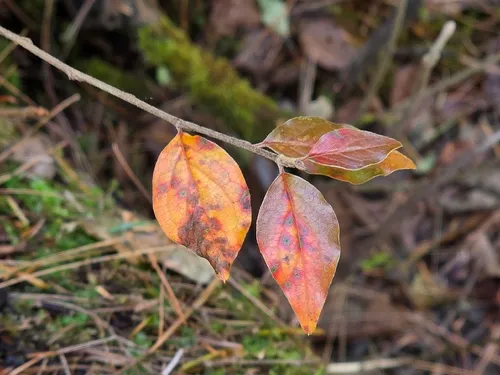
How we know this (1) Methods & honest limits
McKenzie et al. assigned each species a flower colour with a GPT-4V vision model over iNaturalist photos. We use the confident tier plus a separately-labelled lower-confidence top-up (mostly inconspicuous green/brown flowers), and render it as a small tint — never as an asserted fact, and kept out of the written synopsis.
Honest limits: AI image inference (~87% expert agreement on the confident tier); a decorative, confidence-tiered indicator, not a measured trait.
Sources for this entry (16) Open & cited
Cite this page Open data, please attribute
PlantKey’s data is open under CC BY-SA 4.0 — free to reuse and adapt, with attribution and the same licence. Photos keep their own per-image licence + credit (see Sources above).
Loading…
BibTeX
Loading…