
Palay Rubbervine Cryptostegia grandiflora
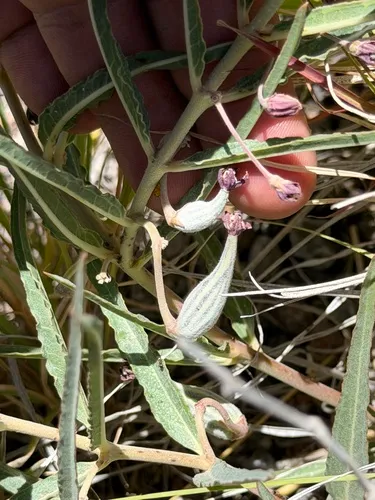
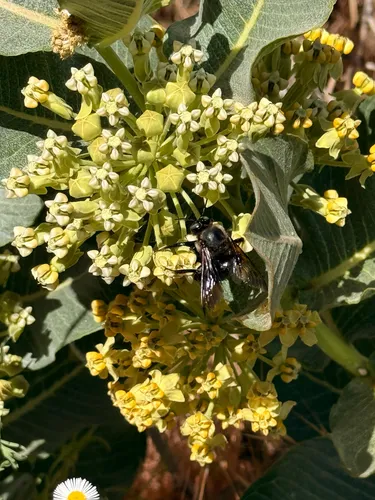
Palay Rubbervine is an introduced perennial vine, found in the lower 48 states, Puerto Rico, and the U.S. Virgin Islands.
More about this plant
Cryptostegia grandiflora, commonly known as rubber vine, is a woody-perennial vine that is native to south-west Madagascar. It is also a significant weed in northern Australia, sometimes regarded as the worst weed in all of Australia. It has also been introduced to most other tropical and subtropical regions because of its attractive flowers and its latex containing commercial quality rubber. It is now naturalised in the Caribbean, East Africa, Mauritius, India, Southeast Asia, Indonesia, Latin America, the southern United States, Fiji and New Caledonia. It is very similar to the purple rubber vine, which is also native to Madagascar. Wikipedia →
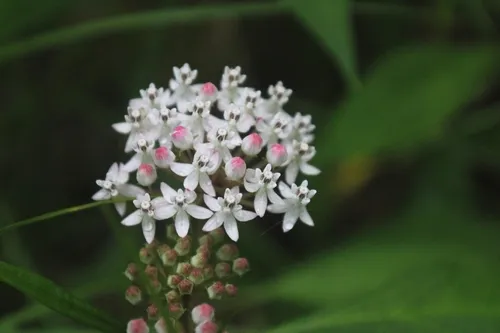
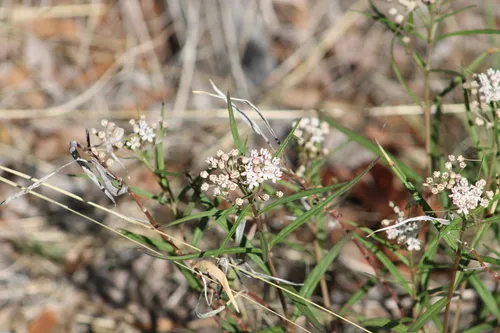
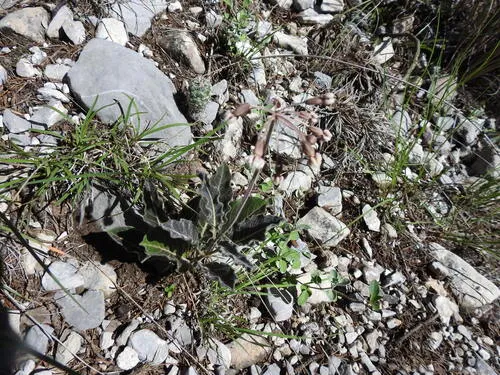
Palay Rubbervine is flagged invasive in the U.S. These natives fill a similar niche — same growth habit, bloom season, height, and region — so you keep the look and feed local wildlife instead of spreading a problem.
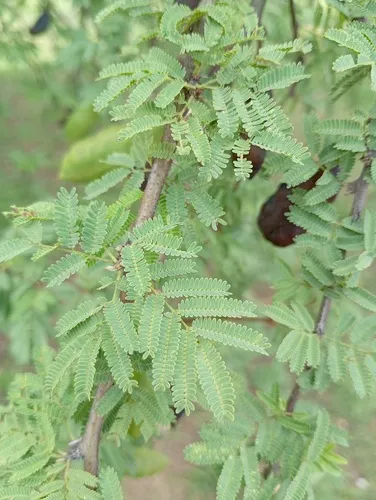
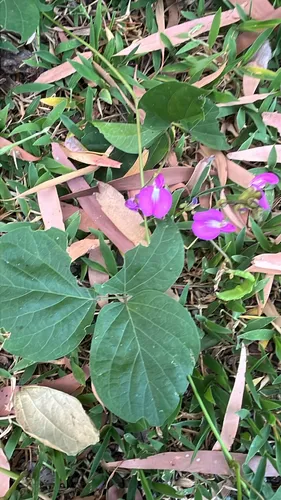
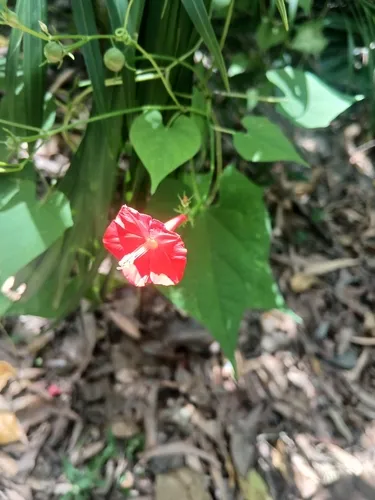
Growing & care
USDA PLANTS · TRY- Hardiness
- ≥ zone 10 derived from its U.S. range
- Lifespan
- Perennial
- Foliage
- Broadleaf
- Flower colour
- Pink AI AI image-analysis of community-science photos (~87% expert agreement) — not a botanical record
Related plants
More Cryptostegia →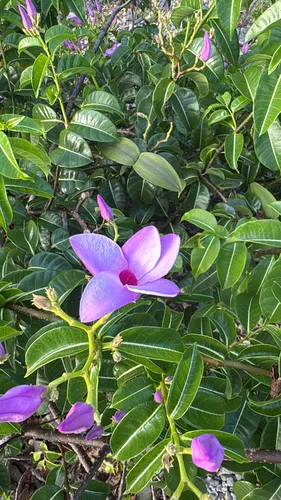
How we know this (1) Methods & honest limits
McKenzie et al. assigned each species a flower colour with a GPT-4V vision model over iNaturalist photos. We use the confident tier plus a separately-labelled lower-confidence top-up (mostly inconspicuous green/brown flowers), and render it as a small tint — never as an asserted fact, and kept out of the written synopsis.
Honest limits: AI image inference (~87% expert agreement on the confident tier); a decorative, confidence-tiered indicator, not a measured trait.
Sources for this entry (18) Open & cited
Cite this page Open data, please attribute
PlantKey’s data is open under CC BY-SA 4.0 — free to reuse and adapt, with attribution and the same licence. Photos keep their own per-image licence + credit (see Sources above).
Loading…
BibTeX
Loading…