
Gooseberry Gourd Cucumis myriocarpus
Gooseberry Gourd is an introduced annual vine, found in the lower 48 states.
More about this plant
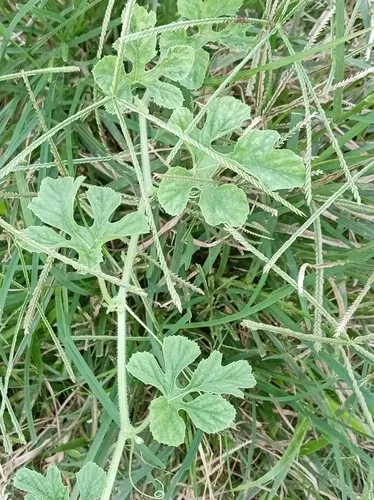
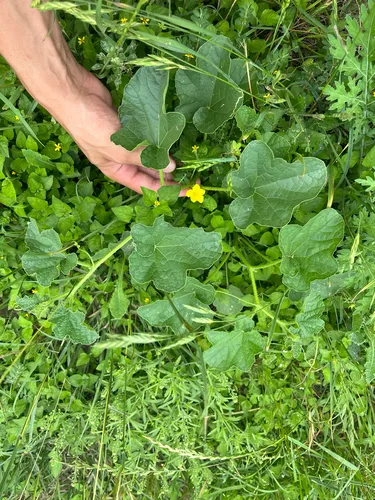
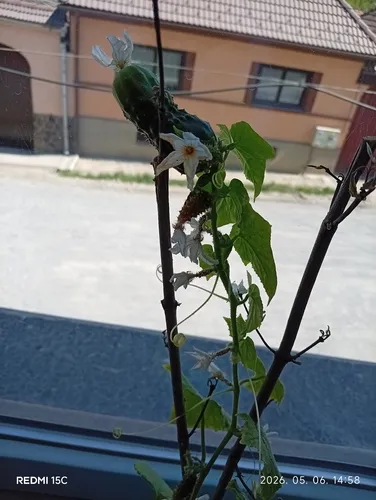
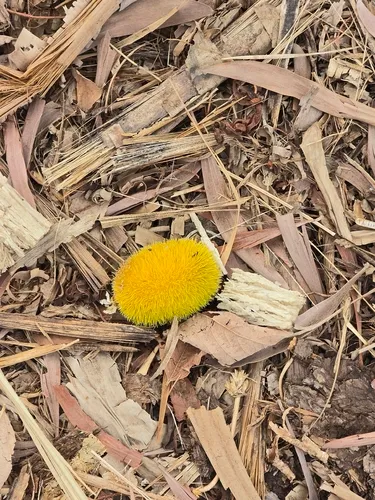
Cucumis myriocarpus, the gooseberry cucumber, gooseberry gourd, paddy melon, mallee pear or prickly paddy melon, is a prostrate or climbing annual herb native to tropical and southern Africa. It has small, round, yellow-green or green-striped fruit with soft spines, small yellow flowers and deeply lobed, light green leaves. The melon occurs in disturbed soil and cleared or bare areas, and thrives on summer moisture. Wikipedia →
Gooseberry Gourd is flagged invasive in the U.S. These natives fill a similar niche — same growth habit, bloom season, height, and region — so you keep the look and feed local wildlife instead of spreading a problem.

Growing & care
USDA PLANTS · TRY- Hardiness
- ≥ zone 11 derived from its U.S. range
- Lifespan
- Annual
- Foliage
- Broadleaf
Wildlife & pollinators
How pollinator value is scored →❧ Caterpillar hosts ~20 caterpillar species
Cucumis supports ~20 caterpillar species.
Native butterfly & moth caterpillars are the base of the terrestrial food web — most songbirds rear their young almost entirely on them. As a host for native Lepidoptera this is a moderate genus.
Recorded feeding on Cucumis in North America, including:


+ 8 more species → ↑ show fewer


Wildlife & visitors 2 birds
Open records of who else uses Gooseberry Gourd — a generalist food-web signal, kept separate from the keystone Ecological Value.
Recorded eaten by 2 birds species (fruit, seed, browse):


Related plants
More Cucumis →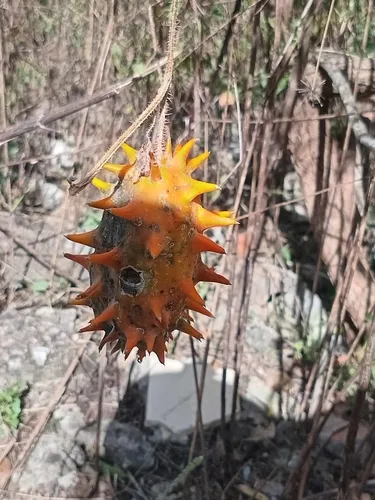
Sources for this entry (16) Open & cited
Cite this page Open data, please attribute
PlantKey’s data is open under CC BY-SA 4.0 — free to reuse and adapt, with attribution and the same licence. Photos keep their own per-image licence + credit (see Sources above).
Loading…
BibTeX
Loading…