
Palm-grass Curculigo capitulata
Palm-grass is an introduced perennial herb, found in the lower 48 states and Puerto Rico.
More about this plant
Curculigo capitulata is a species of stout herb that belongs to the family Hypoxidaceae. It is known by the common names palm grass, whale back, and weevil lily, and by various synonyms, including Molineria capitulata. It ranges from the Himalayas and eastern India through Indochina, southern China, Malesia, and New Guinea to Queensland, Australia, and the Solomon Islands. The plant has yellow flowers and oblong, papery pleated leaves with very short stems. In China and India, the plant has traditional uses as medicine to treat diseases such as hemorrhoids, asthma, and consumptive cough. In Southeast Asia, the plant is also used as food wrapping and the fibres are used to make fishing nets, ropes and false hair. However, in recent years Molineria capitulata is more often used as ornamental plants in gardens. In recent studies, M. capitulata was also found to have potential in treating several chronic diseases due to its high antifungal, antioxidant, cytotoxic, thrombolytic, anti-inflammatory, and analgesic activities. Wikipedia →
Growing & care
USDA PLANTS · TRY- Hardiness
- ≥ zone 11 derived from its U.S. range
- Lifespan
- Perennial
Related plants
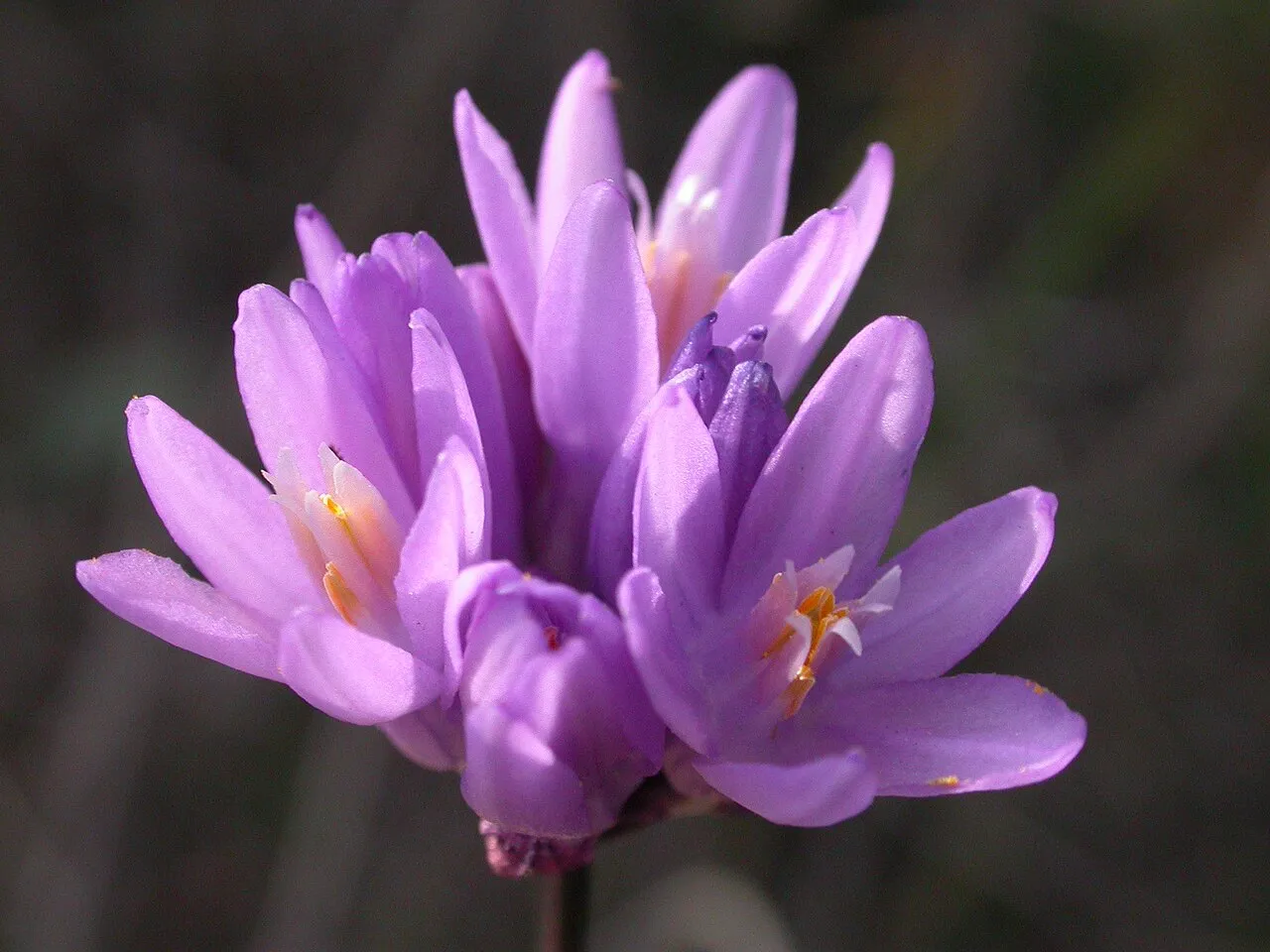
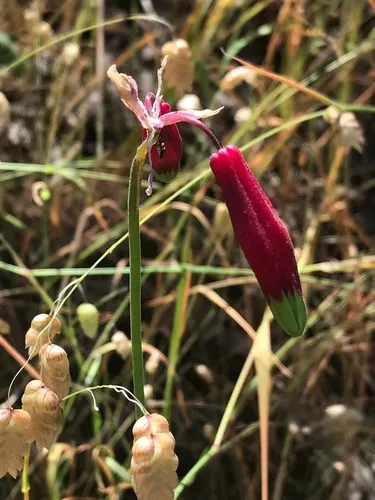
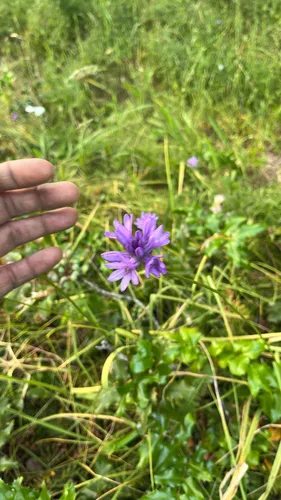
More Curculigo →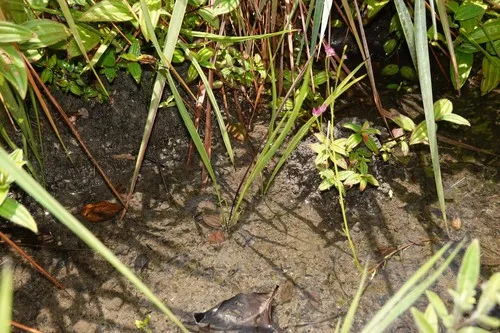
How we know this (1) Methods & honest limits
We take the plant’s U.S. county range and look up each county’s long-term climate, then summarise: native rainfall = the median annual rainfall across its counties; heat tolerance = the warm end (90th percentile) of average temperature across its range (mirroring how our cold-hardiness floor uses an extreme). Counties + medians blunt the roadside/observer bias that makes point-level climate unreliable. Needs at least five placeable counties.
Honest limits: A realized, sampling-biased niche (where it has been recorded, not its physiological optimum), and county climate is coarse — large Western counties span deserts and mountains. Derived guide, never a measured fact.
Sources for this entry (12) Open & cited
Cite this page Open data, please attribute
PlantKey’s data is open under CC BY-SA 4.0 — free to reuse and adapt, with attribution and the same licence. Photos keep their own per-image licence + credit (see Sources above).
Loading…
BibTeX
Loading…