
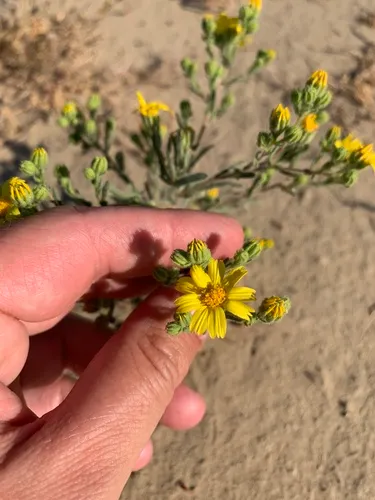
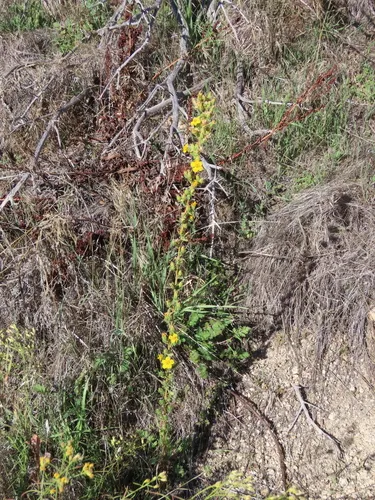
Livermore Tarweed Deinandra bacigalupii
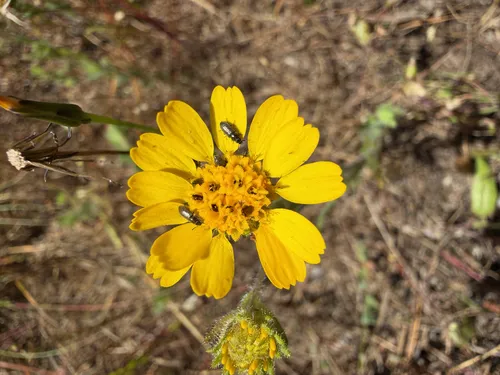
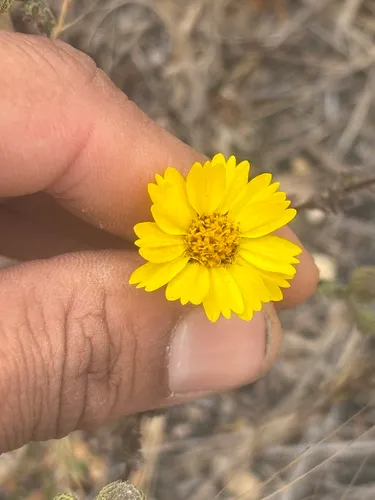
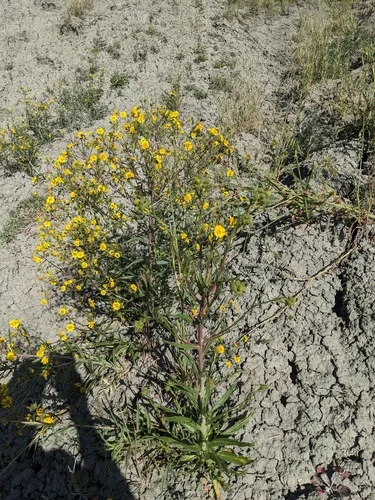
Livermore Tarweed is an annual wildflower native to the lower 48 states. A host for pollen-specialist native bees.
More about this plant
Deinandra bacigalupii is a rare species of flowering plant in the family Asteraceae, known by the common names Livermore tarplant and Livermore moonshine. It is endemic to Alameda County, California, and is only found within a half-mile of the city limits of Livermore, in the eastern portion of the Livermore Valley. The plant is considered endangered under the California Endangered Species Act, and there are only four known populations; a fifth was destroyed by a landscaping business in 2014. The majority is located on city property near the Springtown neighborhood. It grows in open areas with alkali soils, in alkali meadows and on the edges of alkali sinks, and appears to be restricted to a soil called Solano fine sandy loam. This plant was previously included within Deinandra increscens ssp. increscens, but it was separated and elevated to species level in 1999. Wikipedia →
Growing & care
USDA PLANTS · TRY- Hardiness
- ≥ zone 11 derived from its U.S. range
- Lifespan
- Annual
Wildlife & pollinators
How pollinator value is scored →✦ Bees specialist-bee host
Specialist native bees depend on it.
Some native bees are pollen specialists (oligolectic) — they raise young only on pollen from particular plant genera. Deinandra is a recorded specialist-bee host, so losing it can mean losing the bee that relies on it.
Related plants
More Deinandra →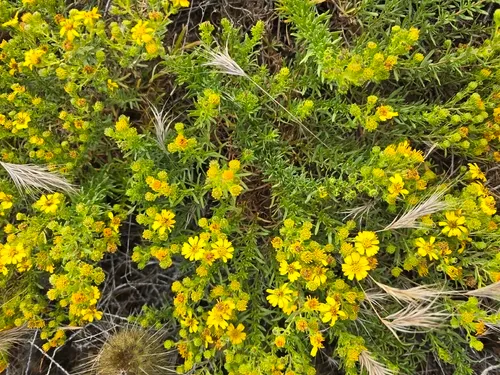
Sources for this entry (11) Open & cited
Cite this page Open data, please attribute
PlantKey’s data is open under CC BY-SA 4.0 — free to reuse and adapt, with attribution and the same licence. Photos keep their own per-image licence + credit (see Sources above).
Loading…
BibTeX
Loading…