
Longan Dimocarpus longan
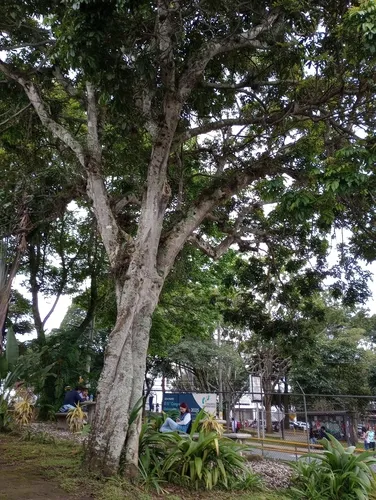
Longan is an introduced plant, found in the lower 48 states and the Pacific Basin. It grows to 82 ft.
More about this plant
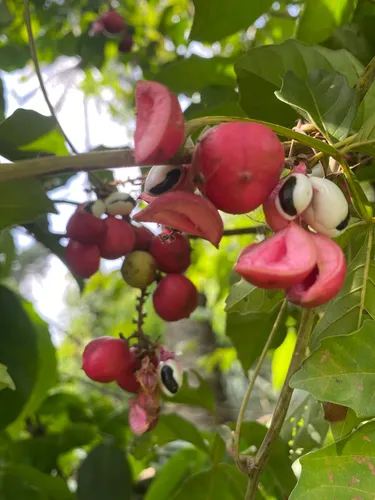
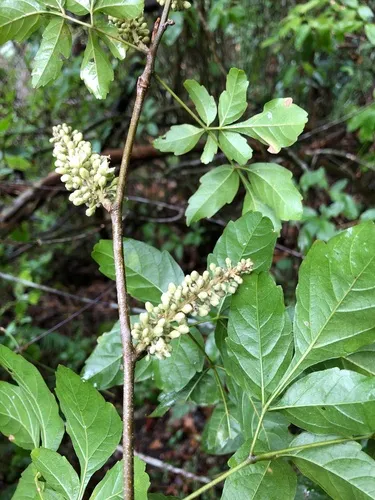
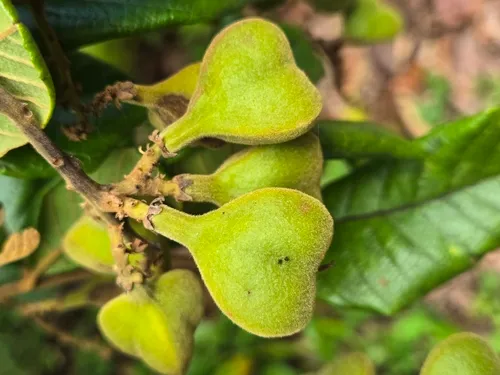
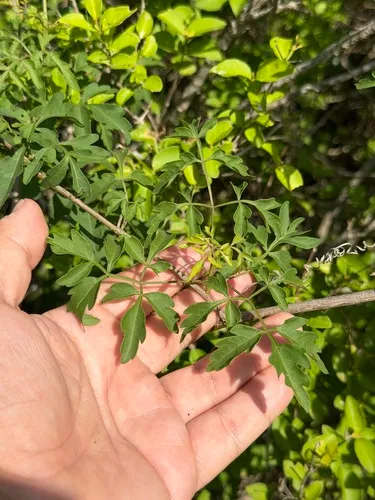
Longan, also called lungan or dragon's eye, is a tropical tree species that produces edible fruit. It is one of the better-known tropical members of the soapberry family Sapindaceae, to which the lychee and rambutan also belong. The fruit of the longan is similar to lychee, but has a milder, and more subtle aroma and sweetness. The species is native to Southeast Asia and southern China. Today, China, Thailand, and Vietnam are the largest producers of longan fruit, together accounting for approximately 95% of global production. Wikipedia →
Growing & care
USDA PLANTS · TRY- Hardiness
- ≥ zone 11 derived from its U.S. range
- Height
- 82 ft
- Mature width
- ≈ 30 ft wide wild/forest-grown — open-grown specimens spread wider
- Foliage
- Evergreen broadleaf
Wildlife & pollinators
How pollinator value is scored →Wildlife & visitors 1 nectaring
Open records of who else uses Longan — a generalist food-web signal, kept separate from the keystone Ecological Value.
1 adult butterfly & moth species is recorded nectaring at its flowers:

Related plants
More Dimocarpus →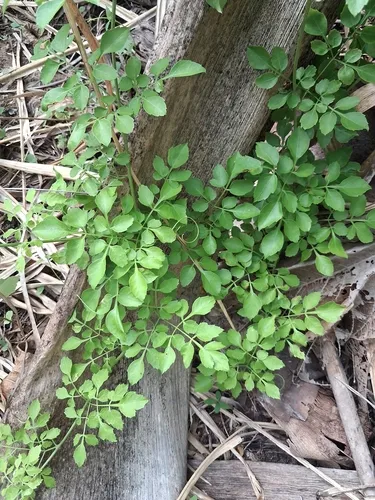
How we know this (3) Methods & honest limits
We read each species’ measured specific leaf area (leaf area per unit dry weight) from the Global Spectrum dataset and band it: thin & fast (high SLA), medium, or thick & tough (low SLA). The global median is about 10 mm²/mg.
Honest limits: A species-mean from pooled measurements — individual plants vary with light and site. A broad strategy signal, not a precise per-plant figure.
A recorded categorical fact: each species is tagged C3 (standard), C4 (heat/water-efficient) or CAM (succulent, night-time CO₂ uptake) — or a facultative combination. We only show a trait card for the noteworthy C4/CAM cases; C3 is the unremarkable majority, kept in the data but not surfaced as a card.
We take the plant’s U.S. county range and look up each county’s long-term climate, then summarise: native rainfall = the median annual rainfall across its counties; heat tolerance = the warm end (90th percentile) of average temperature across its range (mirroring how our cold-hardiness floor uses an extreme). Counties + medians blunt the roadside/observer bias that makes point-level climate unreliable. Needs at least five placeable counties.
Honest limits: A realized, sampling-biased niche (where it has been recorded, not its physiological optimum), and county climate is coarse — large Western counties span deserts and mountains. Derived guide, never a measured fact.
Sources for this entry (19) Open & cited
Cite this page Open data, please attribute
PlantKey’s data is open under CC BY-SA 4.0 — free to reuse and adapt, with attribution and the same licence. Photos keep their own per-image licence + credit (see Sources above).
Loading…
BibTeX
Loading…