
Blue-sage Eranthemum pulchellum
Blue-sage is an introduced perennial shrub, found in the lower 48 states. It grows to 7 ft.
More about this plant
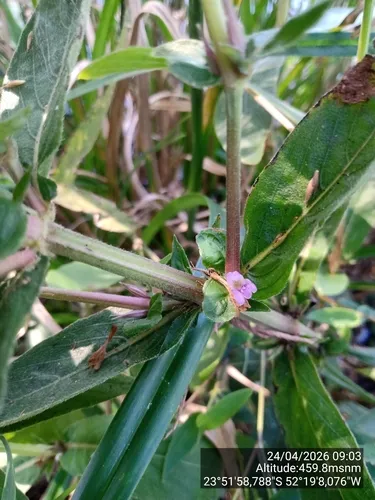
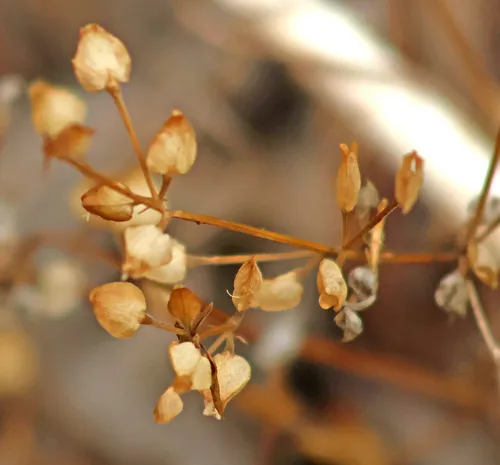
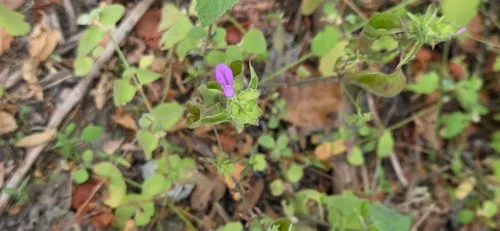
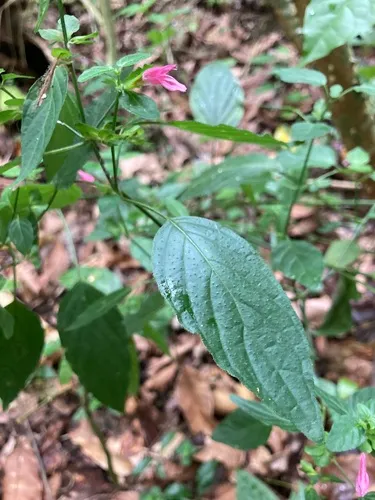
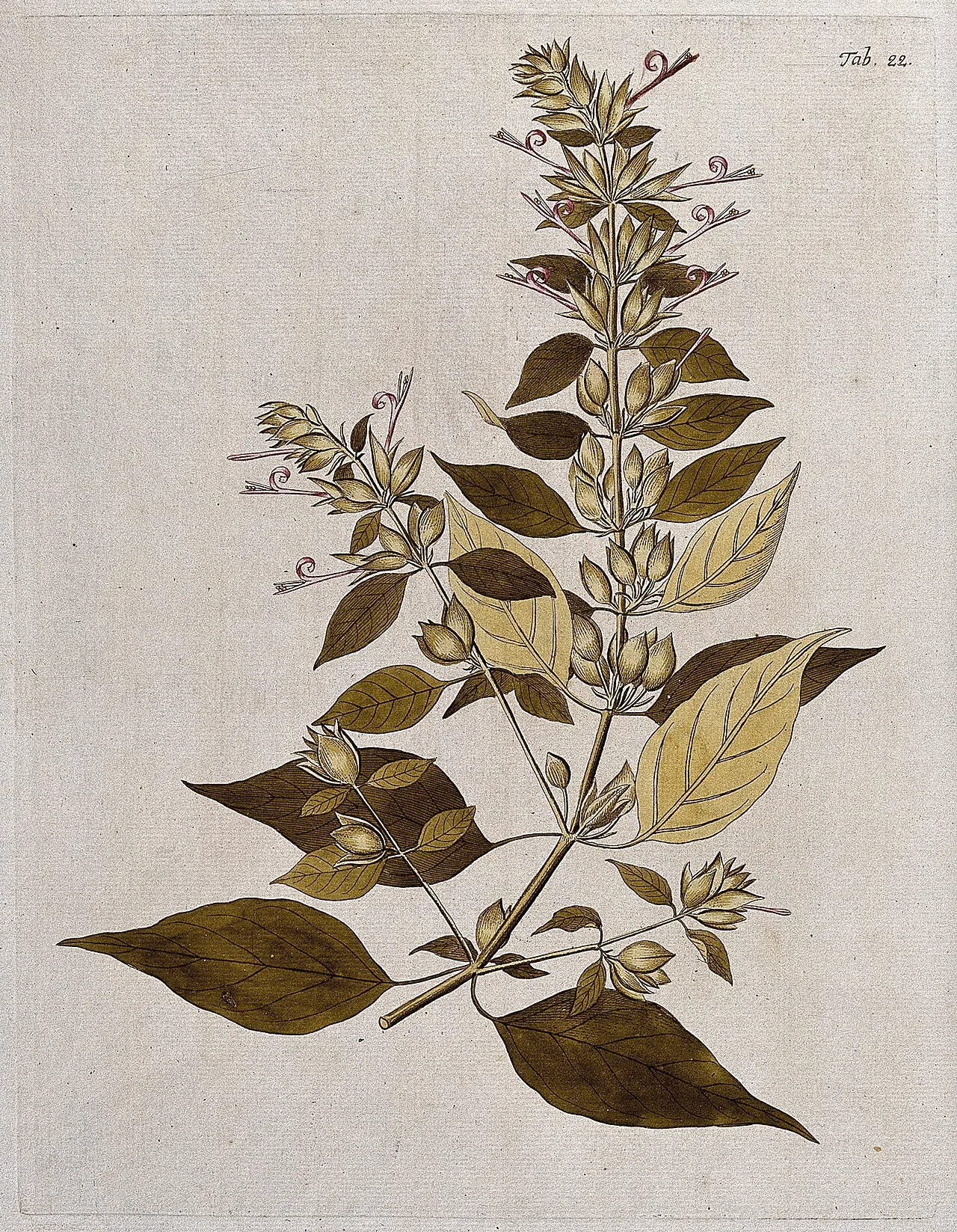
Eranthemum pulchellum, the blue eranthemum or blue sage, is a species of flowering plant in the acanthus family Acanthaceae, native to the Himalayas, western China, India and Nepal. A strongly branched evergreen shrub, it is popular with gardeners because of the spikes of flowers that are bright gentian blue – an unusual color in the tropics. The flowers appear from green-and-white veined bracts that remain after the blooms fall, forming a column several centimetres long. The hairy leaves are large and dark green. A sprawling shrub which may reach a metre or more in height, E. pulchellum is usually kept lower and bushier through pruning. Light shade is preferred in a garden; in a greenhouse it needs warm conditions. It is easily propagated from cuttings. Wikipedia →
Growing & care
USDA PLANTS · TRY- Hardiness
- ≥ zone 11 derived from its U.S. range
- Height
- 7 ft
- Lifespan
- Perennial
Wildlife & pollinators
How pollinator value is scored →Wildlife & visitors 10 nectaring
Open records of who else uses Blue-sage — a generalist food-web signal, kept separate from the keystone Ecological Value.
10 adult butterfly & moth species are recorded nectaring at its flowers — the most-recorded:


Related plants
More Eranthemum →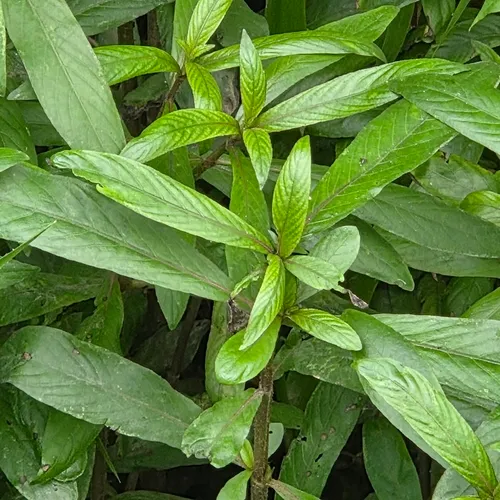
Sources for this entry (13) Open & cited
Cite this page Open data, please attribute
PlantKey’s data is open under CC BY-SA 4.0 — free to reuse and adapt, with attribution and the same licence. Photos keep their own per-image licence + credit (see Sources above).
Loading…
BibTeX
Loading…