
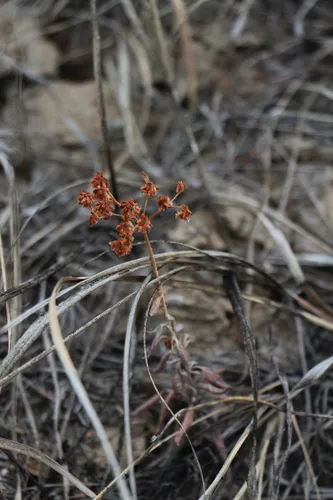
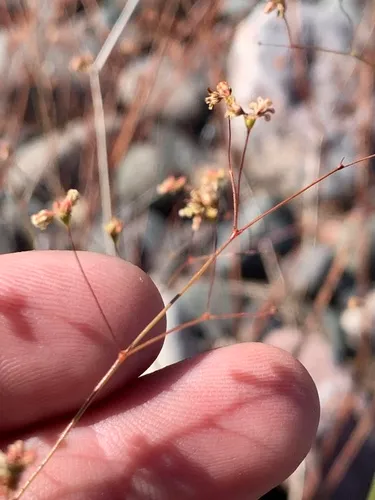
Harper's Buckwheat (var. harperi) Eriogonum longifolium var. harperi variety
Harper's Buckwheat (var. harperi) is a perennial wildflower native to the lower 48 states. A host for pollen-specialist native bees.
More about this plant
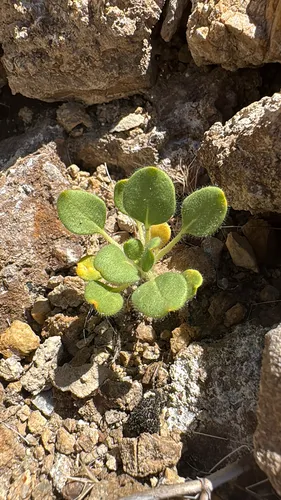
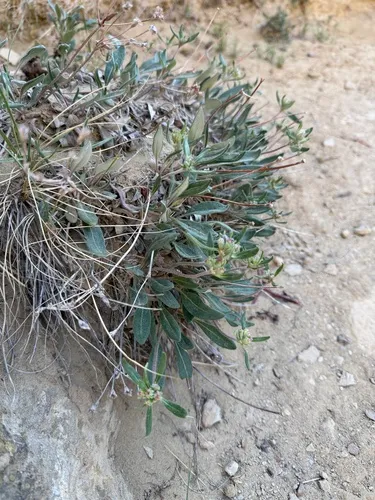
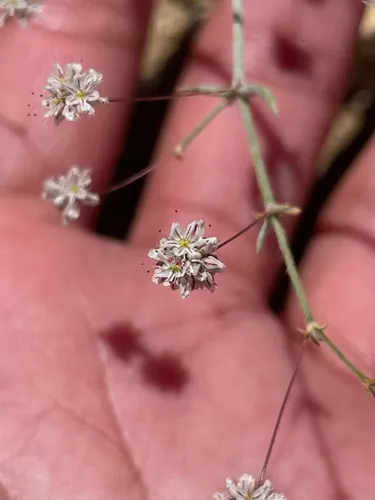
Eriogonum longifolium var. harperi, also known as Harper's buckwheat or Harper's umbrella plant, is a dicot of the family Polygonaceae, found in areas of nutrient-poor shale soils in Alabama, Kentucky and Tennessee. It lives inconspicuously in an immature vegetative stage for four or more years before developing a flowering stalk, then flowers and dies. It is listed as an endangered species by the state of Tennessee. It has eleven small populations in Alabama and five in Tennessee but its survival in Kentucky is uncertain. According to a leading expert, Professor James L. Reveal of the University of Maryland, its Kentucky population has been reportedly extirpated. Its 2006 Alabama Natural Heritage Program ranking was G4T2S1, demonstrating an opinion that it was "critically imperiled" in that state. Wikipedia →
Growing & care
USDA PLANTS · TRY- Hardiness
- ≥ zone 7 derived from its U.S. range
- Lifespan
- Perennial
Wildlife & pollinators
How pollinator value is scored →❧ Caterpillar hosts ~9 caterpillar species
Eriogonum supports ~9 caterpillar species.
Native butterfly & moth caterpillars are the base of the terrestrial food web — most songbirds rear their young almost entirely on them. As a host for native Lepidoptera this is a modest genus.
Recorded feeding on Eriogonum in North America, including:


+ 8 more species → ↑ show fewer


✦ Bees specialist-bee host
Specialist native bees depend on it.
Some native bees are pollen specialists (oligolectic) — they raise young only on pollen from particular plant genera. Eriogonum is a recorded specialist-bee host, so losing it can mean losing the bee that relies on it.
Related plants
More Eriogonum →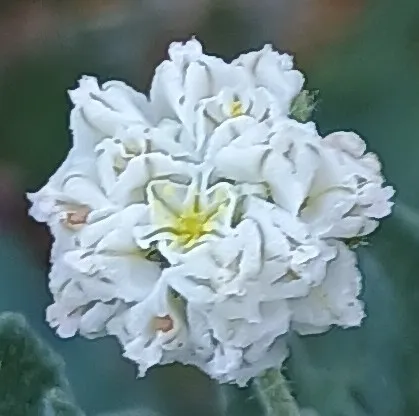
Sources for this entry (12) Open & cited
Cite this page Open data, please attribute
PlantKey’s data is open under CC BY-SA 4.0 — free to reuse and adapt, with attribution and the same licence. Photos keep their own per-image licence + credit (see Sources above).
Loading…
BibTeX
Loading…