
Tasmanian Bluegum (subsp. globulus) Eucalyptus globulus subsp. globulus subspecies
Tasmanian Bluegum (subsp. globulus) is an introduced perennial tree, found in Hawaii and the lower 48 states.
More about this plant
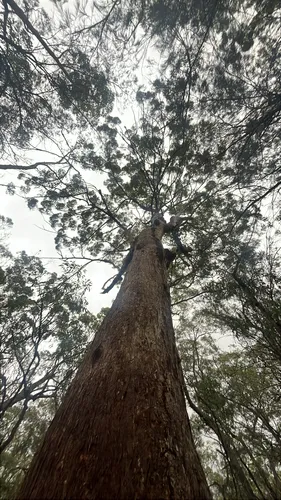
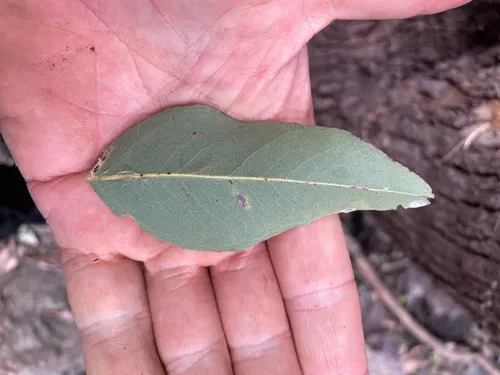
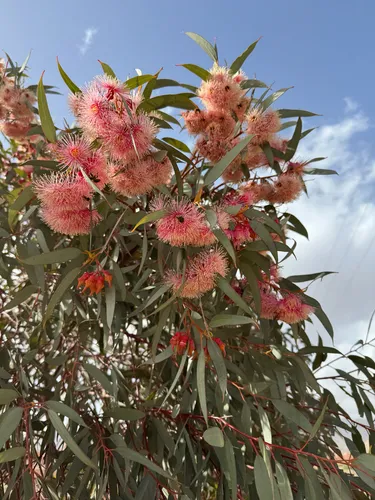
Eucalyptus globulus subsp. globulus, commonly known as the Tasmanian blue gum, southern blue gum, or blue gum, is a subspecies of tree that is endemic to southeastern Australia. It has mostly smooth bark with some persistent slabs of old bark at the base, juvenile leaves with one glaucous side, glossy, lance-shaped adult leaves, warty flower buds arranged singly in leaf axils, white flowers and hemispherical to conical fruit that is more or less square in cross-section. It is the official floral emblem of the state of Tasmania. Wikipedia →
Tasmanian Bluegum (subsp. globulus) is flagged invasive in the U.S. These natives fill a similar niche — same growth habit, bloom season, height, and region — so you keep the look and feed local wildlife instead of spreading a problem.
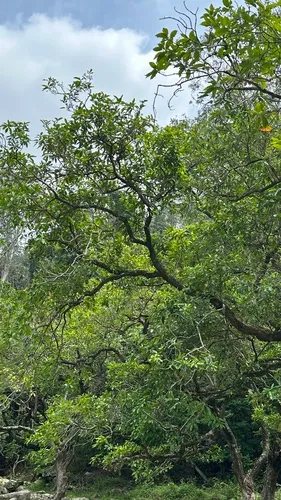
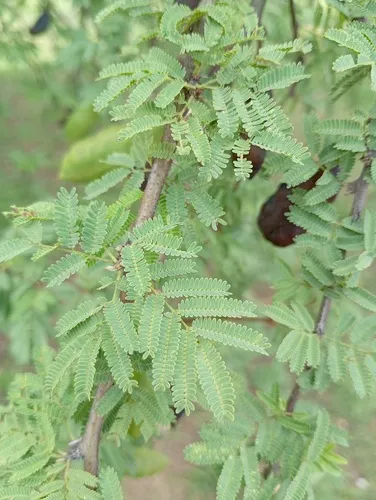
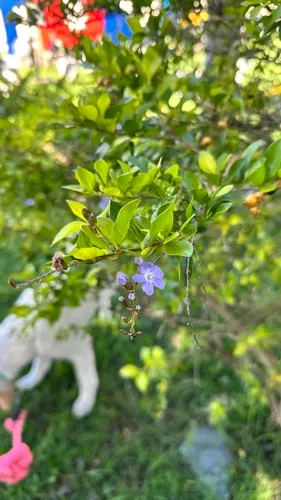
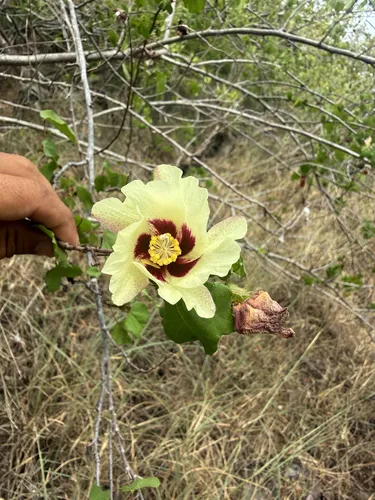
Growing & care
USDA PLANTS · TRY- Hardiness
- ≥ zone 11 derived from its U.S. range
- Lifespan
- Perennial
Wildlife & pollinators
How pollinator value is scored →❧ Caterpillar hosts Documented caterpillar host
Recorded feeding on Eucalyptus in North America, including:


+ 3 more species → ↑ show fewer


Related plants
More Eucalyptus →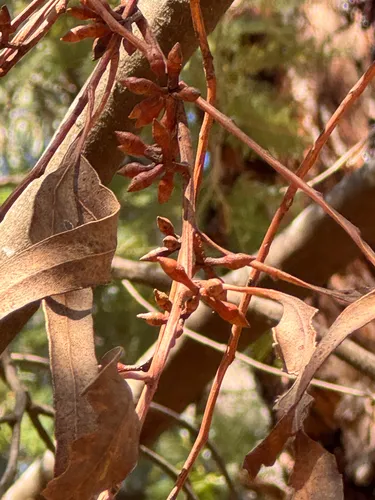
Sources for this entry (10) Open & cited
Cite this page Open data, please attribute
PlantKey’s data is open under CC BY-SA 4.0 — free to reuse and adapt, with attribution and the same licence. Photos keep their own per-image licence + credit (see Sources above).
Loading…
BibTeX
Loading…