PlantKey Open ecological atlas
Planner
Home / Browse / Eucephalus / Brickellbush Aster
No openly-licensed photo yetWe add Creative-Commons photos from iNaturalist as they’re published.
Asteraceae family

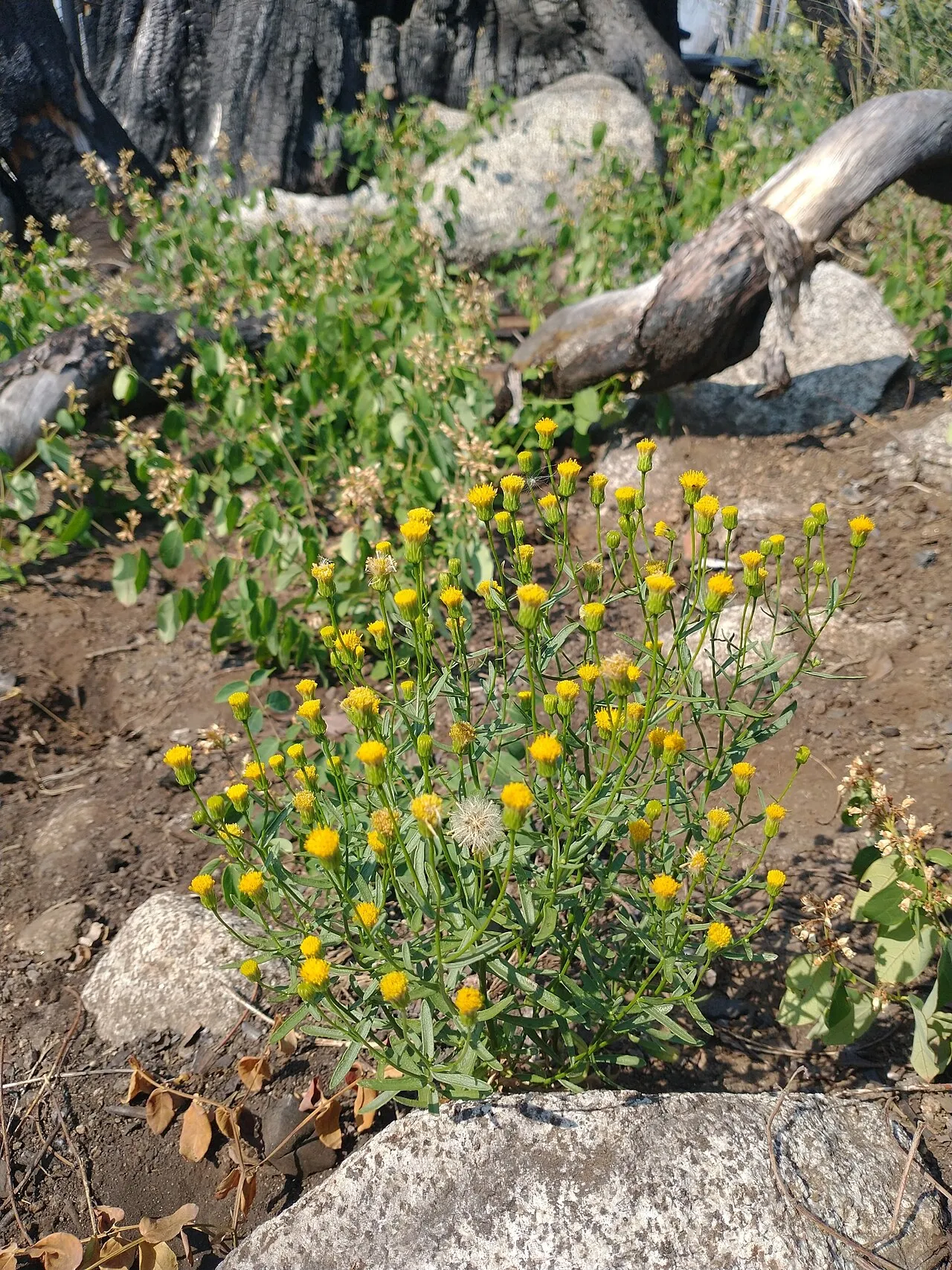
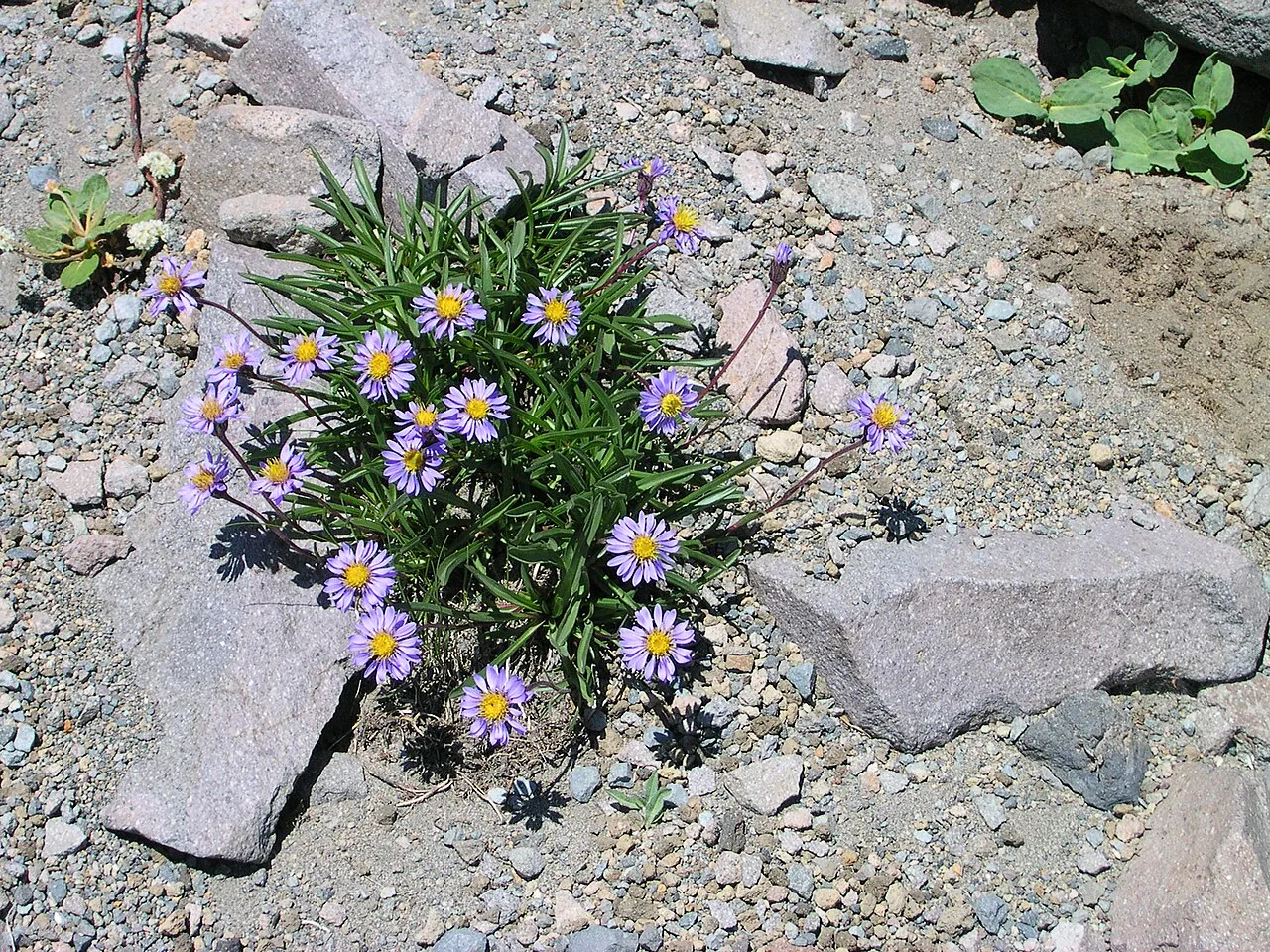
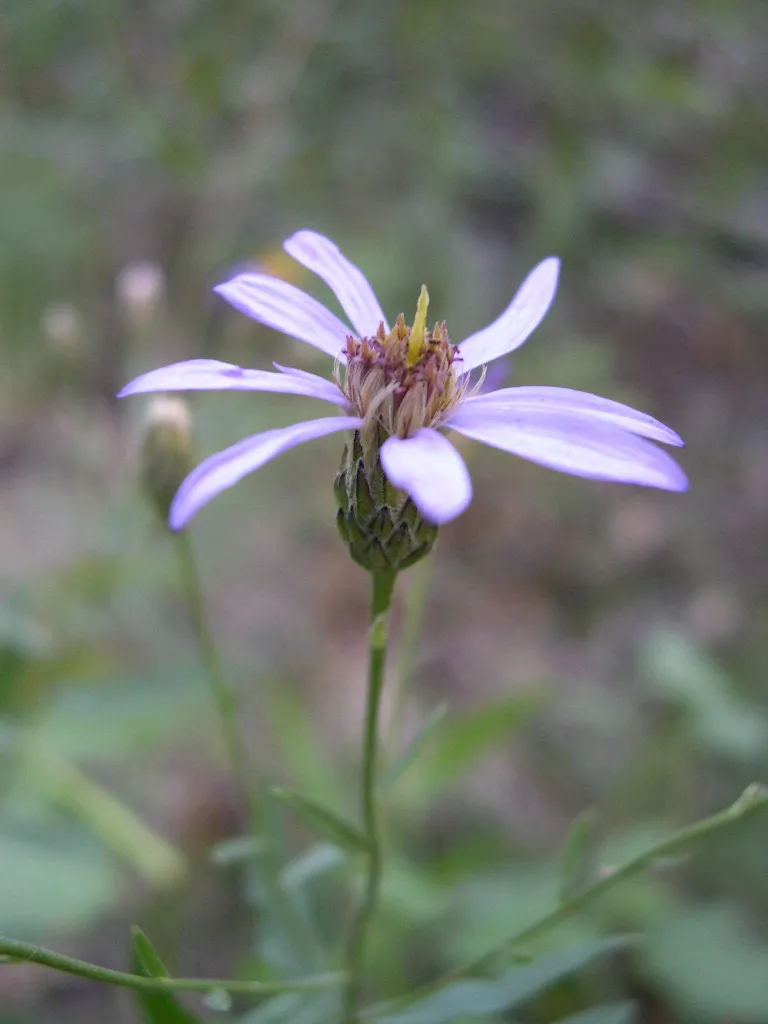
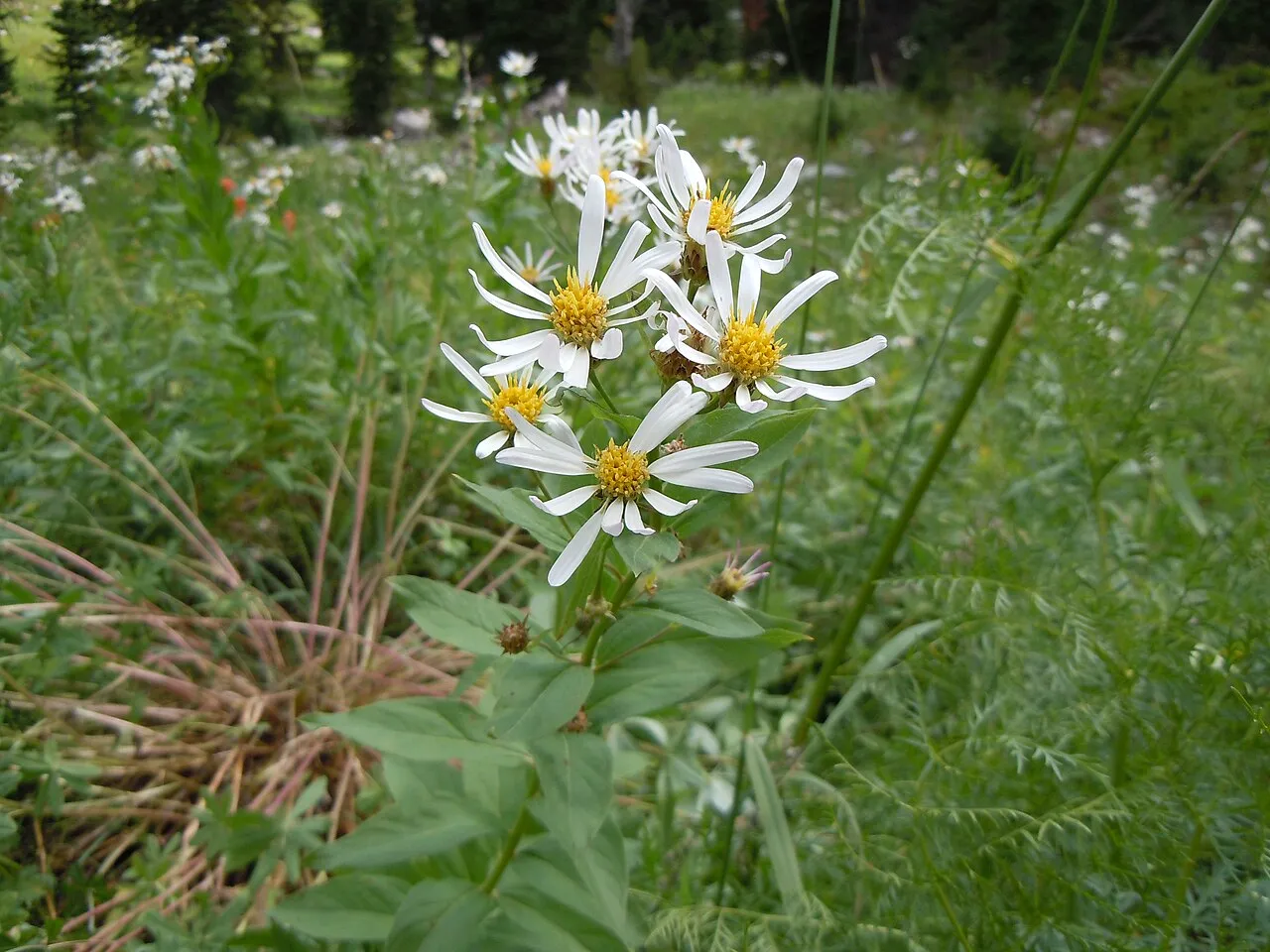
Brickellbush Aster Eucephalus brickellioides

Native
Deer-resistant — Low palatability to browsing deer. Usually passed over, but no plant is truly deer-proof when food is scarce.

Brickellbush Aster is a perennial shrub native to the lower 48 states. It grows to 2 ft and blooms Aug in part shade – shade, with brown fruit.

More about this plant

Eucephalus tomentellus is a North American species of flowering plant in the family Asteraceae known by the common name Brickellbush aster or rayless aster. It grows on openings in oak or conifer forests the Siskiyou Mountains of the US States of California and Oregon. Wikipedia →

Growing & care

USDA PLANTS · TRY
Conditions
Sources · Conditions
USDA PLANTS — Sun · Soil & moisture
USDA — SoilPH — Soil pH
USDA PLANTS (DwCA, Zenodo 17903503) — Fertility Requirement / Soil Adaptation — Fertility need · Adapts to
USDA — Temp-Min °F — Hardiness
Sun
Part shade – shade
Soil & moisture
Low moisture
Soil pH
6–7.5
Fertility need
Low
Adapts to
Coarse (sandy), Medium (loam)
Hardiness
USDA zone 8+
Size & form
Sources · Size & form
USDA PLANTS (DwCA, Zenodo 17903503) — Height, Mature — Height
Derived (allometric) — width = height × functional-class crown ratio fit on USDA Urban Tree DB · Tallo; method per Jucker et al. 2022, Pretzsch et al. 2015 — Mature width
USDA PLANTS (DwCA, Zenodo 17903503) — Growth Rate / Spread / Growth Form / Lifespan / Active Growth Period / Seed Period — Spread · Growth rate · Growth form · Active growth
USDA PLANTS — Lifespan
TRY Plant Trait Database (CC BY 4.0) · USDA PLANTS — Foliage
USDA PLANTS (DwCA, Zenodo 17903503) — Fruit/Seed Color / Fruit Persistence — Fruit
Height
2 ft
Mature width
~ 2 ft wide DERIVED derived estimate — open-grown crown allometry (height × growth-form ratio); not a measurement
Spread
Slow
Growth rate
Rapid
Growth form
Multiple stems
Lifespan
Perennial · short-lived
Foliage
Broadleaf · fine texture
Active growth
Spring & summer
Fruit
Brown
In the garden
Sources · In the garden
USDA PLANTS (DwCA, Zenodo 17903503) — Propagation Method / Commercial Availability — Propagate by · In the trade
USDA PLANTS (DwCA, Zenodo 17903503) — Germination (cold stratification) — Seed starting
USDA PLANTS — Seed Period — Seeds ripen
USDA PLANTS (DwCA, Zenodo 17903503) — Foliage Texture / Browse Palatability / Resprout — Deer browsing · Resprouts if cut
Propagate by
Seed
Seed starting
No stratification needed
Seeds ripen
Summer – Autumn seed-collection / harvest window
In the trade
No known commercial source
Deer browsing
Low often deer-resistant
Resprouts if cut
No
Herb layer — Sits in the herb of a layered food forest or polyculture.Open guide →
derived roles
AI = read by an AI vision model · DERIVED = a computed estimate, not a direct measurement. The “How we know this” section below details each.
The garden year bloom → fruit → fall colour
J
F
M
A
M
J
J
A
S
O
N
D
Bloom
Bloom (the flower's colour)
Bloom · Aug — USDA PLANTS (DwCA, Zenodo 17903503) — BloomPeriod
When to sow · for your area

Sow timing keys off your local last- and first-frost dates.

Species characteristics from USDA PLANTS (public domain) + TRY (CC BY) — general guidance, not a guarantee for your exact site. Deer "browsing" is documented palatability, not a deer-proof claim.

Wildlife & pollinators

How pollinator value is scored →
❧ Caterpillar hosts Documented caterpillar host

Recorded feeding on Eucephalus in North America, including:

Named species (a documented Nearctic sample, not exhaustive) from NHM HOSTS (CC0).
Species thumbnails re-hosted from iNaturalist — Creative Commons, credited per image (hover for credit). Click any species to see it on iNaturalist. Not exhaustive; many taxa have no openly-licensed photo yet.
How we know this (1) Methods & honest limits
Mature width Derived

For woody plants that have a height but no measured crown, we estimate width = height × a crown-to-height ratio fit for that plant’s form (conifers narrower than broadleaf trees, shrubs widest), calibrated on our measured open-grown crowns and capped at the largest one ever measured. A measured crown always wins; herbaceous plants get nothing (no anchor).

Honest limits: A coarse class-median estimate for garden-scale spacing, not a measurement; woody single/multi-stem forms only.

Allometric basis: Jucker et al. 2022 (Tallo); Pretzsch et al. 2015; McPherson et al. 2016 (USDA Urban Tree DB).
Derived values are computed from open data by a published method — labelled, cited, and never shown as a direct observation. Full methodology →
Sources for this entry (22) Open & cited
[01] Scientific name & family — USDA PLANTS (DwCA, Zenodo 17903503)
[02] Growth habit & duration — USDA PLANTS (DwCA, Zenodo 17903503)
[03] Native status & distribution — USDA PLANTS (DwCA, Zenodo 17903503)
[04] Common name — USDA PLANTS (via GBIF)
[17] Invasive / introduced status — USDA PLANTS (DwCA, Zenodo 17903503) — native status
[18] Description — Wikipedia (CC BY-SA)
[19] Ecological value — GloBI
[22] Caterpillar species — NHM HOSTS (CC0)
Spot an error or have a better photo? Every field links to its source, and the whole dataset is open.
Cite this page Open data, please attribute

PlantKey’s data is open under CC BY-SA 4.0 — free to reuse and adapt, with attribution and the same licence. Photos keep their own per-image licence + credit (see Sources above).

Citation

Loading…

BibTeX
Loading…