
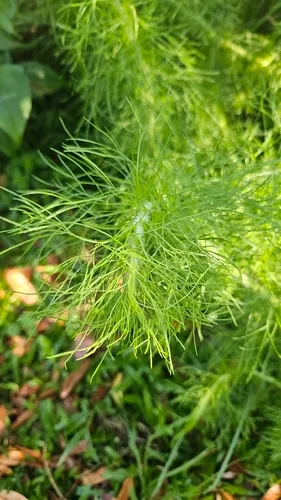
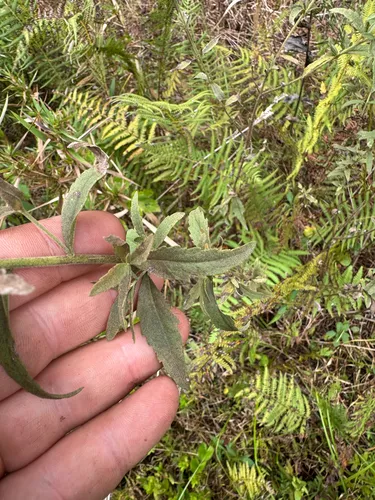
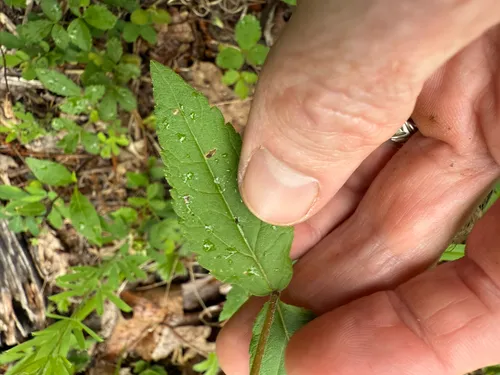
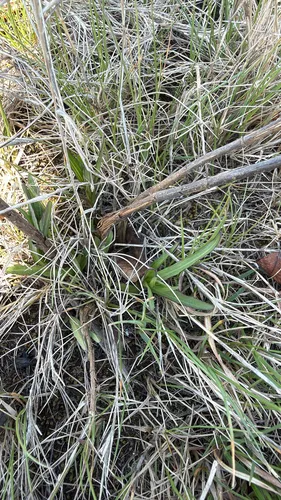
Common Boneset (var. colpophilum) Eupatorium perfoliatum var. colpophilum variety
Common Boneset (var. colpophilum) is a perennial wildflower native to Canada and the lower 48 states.
More about this plant
Eupatorium perfoliatum, known as common boneset or just boneset, is a North American perennial plant in the family Asteraceae. It is a common native to the Eastern United States and Canada, widespread from Nova Scotia to Florida, west as far as Texas, Nebraska, the Dakotas, and Manitoba. It is also called agueweed, feverwort, or sweating-plant. In herbal medicine, the plant is a diaphoretic, or an agent to cause sweating. It was introduced to American colonists by natives who used the plant for breaking fevers by means of heavy sweating, and commonly used to treat fever by the African-American population of the southern United States. The name "boneset" comes from the use of the plant to treat dengue fever, which is also called "break-bone fever." It is nearly always found in low, wet areas. Wikipedia →
Growing & care
USDA PLANTS · TRY- Hardiness
- ≥ zone 5 derived from its U.S. range
- Lifespan
- Perennial
Wildlife & pollinators
How pollinator value is scored →❧ Caterpillar hosts ~41 caterpillar species
Eupatorium supports ~41 caterpillar species.
Native butterfly & moth caterpillars are the base of the terrestrial food web — most songbirds rear their young almost entirely on them. As a host for native Lepidoptera this is a strong genus.
Recorded feeding on Eupatorium in North America, including:


+ 8 more species → ↑ show fewer


Related plants
More Eupatorium →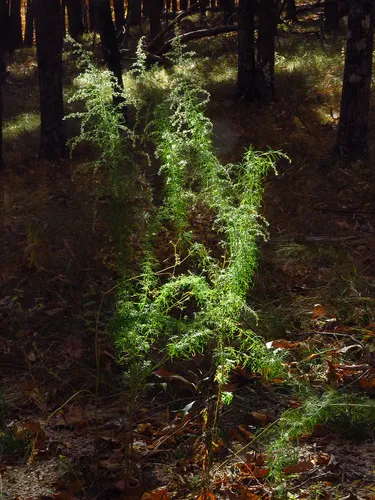
Sources for this entry (12) Open & cited
Cite this page Open data, please attribute
PlantKey’s data is open under CC BY-SA 4.0 — free to reuse and adapt, with attribution and the same licence. Photos keep their own per-image licence + credit (see Sources above).
Loading…
BibTeX
Loading…