
Leafy Spurge (var. esula) Euphorbia esula var. esula variety
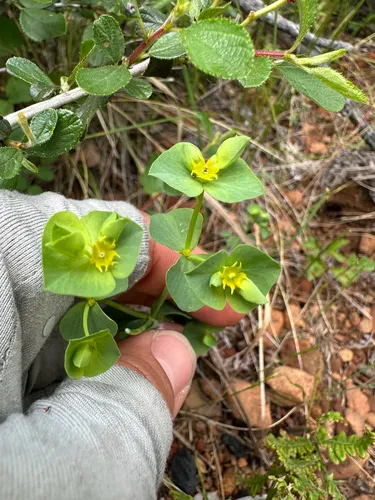
Leafy Spurge (var. esula) is an introduced perennial herb, found in Canada and the lower 48 states.
More about this plant
Euphorbia esula, commonly known as green spurge or leafy spurge, is a species of spurge native to central and southern Europe, and eastward through most of Asia north of the Himalaya to Korea and eastern Siberia. It can also be found in some parts of Alaska. Wikipedia →
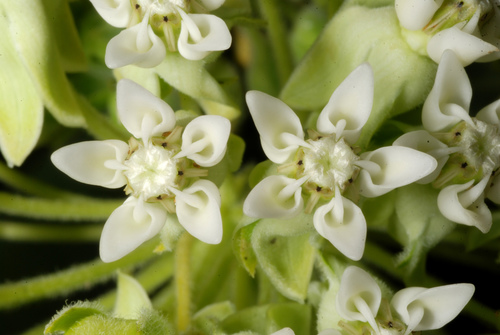
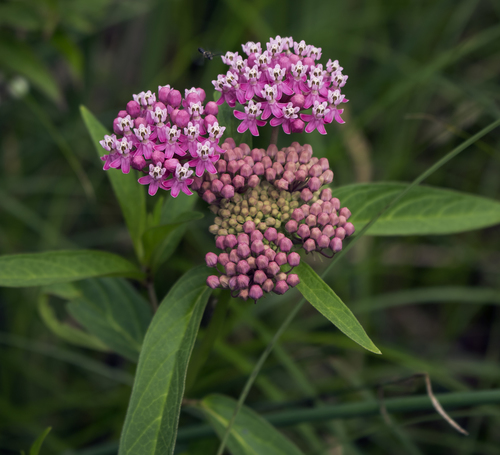
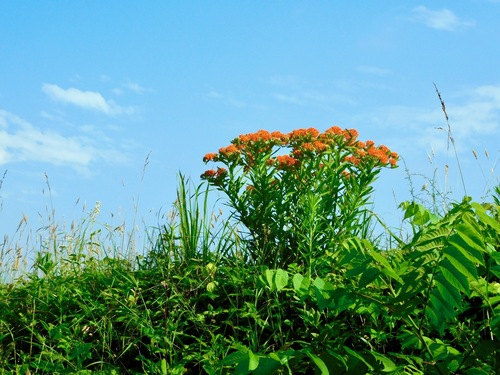
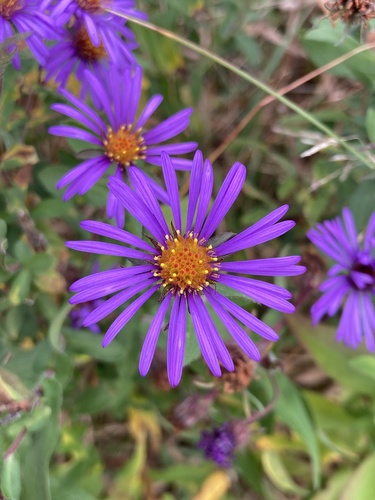
Leafy Spurge (var. esula) is flagged invasive in the U.S. These natives fill a similar niche — same growth habit, bloom season, height, and region — so you keep the look and feed local wildlife instead of spreading a problem.
Part of why it adapts so well: Leafy Spurge (var. esula) is a polyploid complex — multiple chromosome races are on record (2n = 24, 60). Spare genome copies give a plant extra raw material to evolve fast, and polyploidy is a documented correlate of successful plant invasions (te Beest et al. 2012). A labelled association from open cytology (ChromoDB), not a prediction for your specific site.
Growing & care
USDA PLANTS · TRY- Hardiness
- ≥ zone 4 derived from its U.S. range
- Lifespan
- Perennial
Wildlife & pollinators
How pollinator value is scored →❧ Caterpillar hosts ~7 caterpillar species
Euphorbia supports ~7 caterpillar species.
Native butterfly & moth caterpillars are the base of the terrestrial food web — most songbirds rear their young almost entirely on them. As a host for native Lepidoptera this is a modest genus.
Recorded feeding on Euphorbia in North America, including:


+ 8 more species → ↑ show fewer


✦ Bees specialist-bee host
Specialist native bees depend on it.
Some native bees are pollen specialists (oligolectic) — they raise young only on pollen from particular plant genera. Euphorbia is a recorded specialist-bee host, so losing it can mean losing the bee that relies on it.
Related plants
More Euphorbia →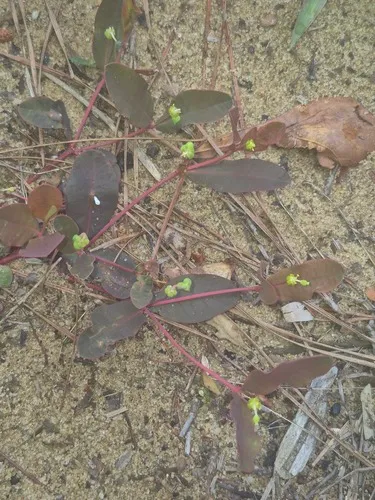
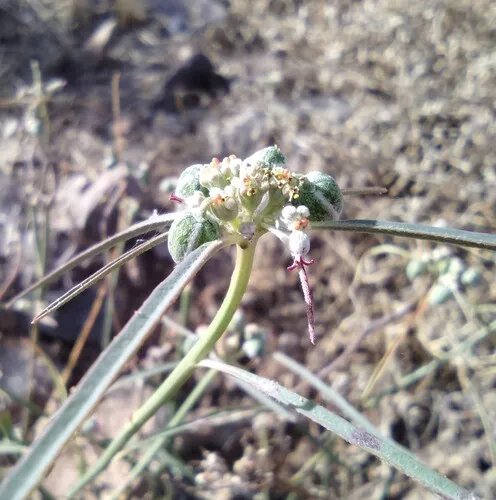
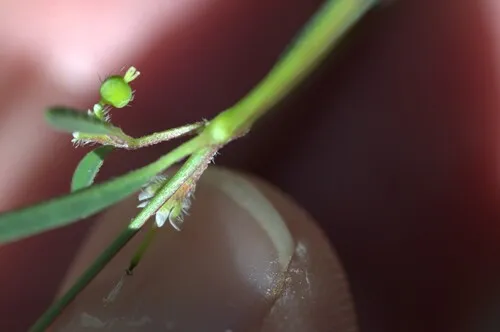
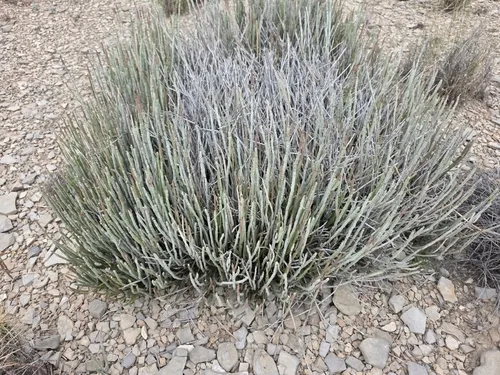
Sources for this entry (12) Open & cited
Cite this page Open data, please attribute
PlantKey’s data is open under CC BY-SA 4.0 — free to reuse and adapt, with attribution and the same licence. Photos keep their own per-image licence + credit (see Sources above).
Loading…
BibTeX
Loading…