Rockcastle Aster Eurybia saxicastellii
Rockcastle Aster is a perennial wildflower native to the lower 48 states. A host for pollen-specialist native bees.
More about this plant
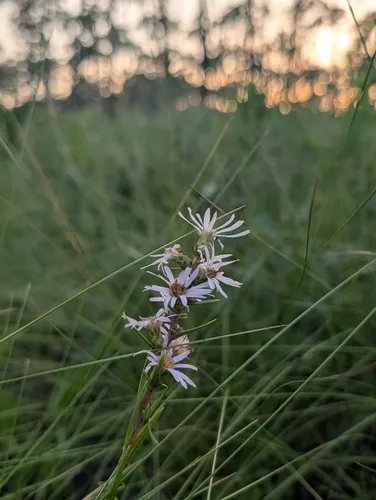
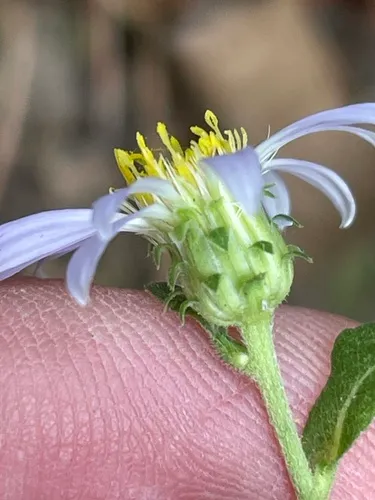
Eurybia saxicastelli, commonly known as the Rockcastle aster, is an herbaceous perennial native to the south eastern United States. It is present only in the states of Kentucky and Tennessee along the Rockcastle River and the nearby Big South Fork River. As a result of its extremely restricted range as well as human alterations to its habitat, it is considered critically imperiled by NatureServe. The flowers appear in the late summer through fall and have ray florets that are pale blue to pale white and yellow disc florets that turn purplish with age. Wikipedia →
Growing & care
USDA PLANTS · TRY- Hardiness
- ≥ zone 7 derived from its U.S. range
- Lifespan
- Perennial
Wildlife & pollinators
How pollinator value is scored →✦ Bees specialist-bee host
Specialist native bees depend on it.
Some native bees are pollen specialists (oligolectic) — they raise young only on pollen from particular plant genera. Eurybia is a recorded specialist-bee host, so losing it can mean losing the bee that relies on it.
Related plants
More Eurybia →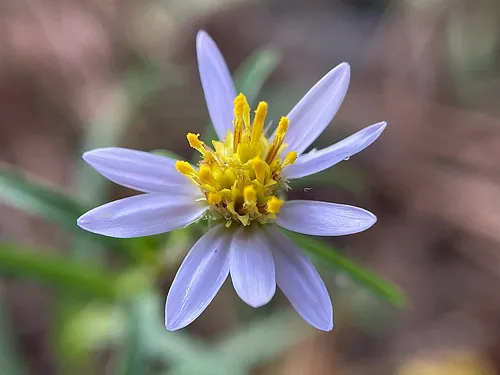
Sources for this entry (9) Open & cited
Cite this page Open data, please attribute
PlantKey’s data is open under CC BY-SA 4.0 — free to reuse and adapt, with attribution and the same licence. Photos keep their own per-image licence + credit (see Sources above).
Loading…
BibTeX
Loading…