
Chewing's Fescue (subsp. fallax) Festuca rubra subsp. fallax subspecies
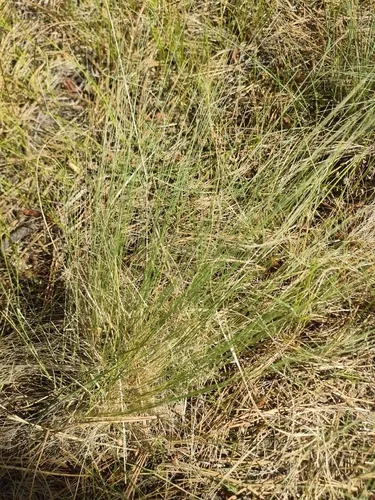
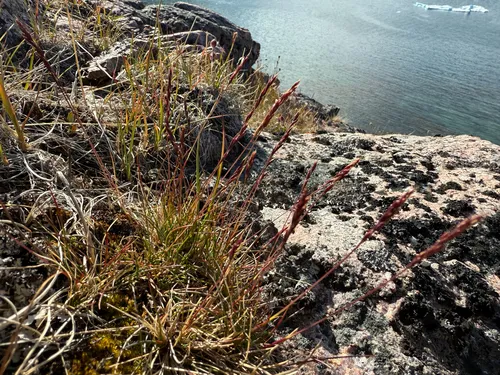
Chewing's Fescue (subsp. fallax) is an introduced perennial grass, found in Alaska, Canada, and Greenland.
More about this plant
Festuca rubra is a species of grass known by the common name red fescue, creeping red fescue or the rush-leaf fescue. It is widespread across much of the Northern Hemisphere and can tolerate many habitats and climates. It is best adapted to well-drained soils in cool, temperate climates; it prefers shadier areas and is often planted for its shade tolerance. Wild animals browse it, but it has not been important for domestic forage due to low productivity and palatability. It is also an ornamental plant for gardens. It functions well as a hyperaccumulator plant as well, specifically accumulating arsenic in mine affected soils. Wikipedia →
Growing & care
USDA PLANTS · TRY- Hardiness
- ≥ zone 5 derived from its U.S. range
- Lifespan
- Perennial
Wildlife & pollinators
How pollinator value is scored →❧ Caterpillar hosts ~4 caterpillar species
Festuca supports ~4 caterpillar species.
Native butterfly & moth caterpillars are the base of the terrestrial food web — most songbirds rear their young almost entirely on them. As a host for native Lepidoptera this is a modest genus.
Recorded feeding on Festuca in North America, including:


+ 8 more species → ↑ show fewer


Related plants
More Festuca →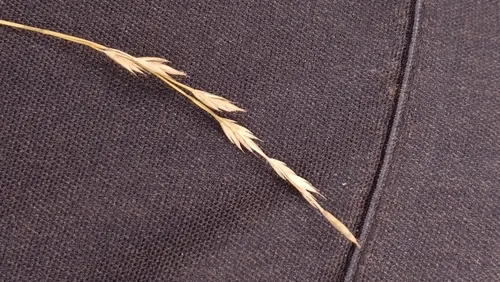
Sources for this entry (12) Open & cited
Cite this page Open data, please attribute
PlantKey’s data is open under CC BY-SA 4.0 — free to reuse and adapt, with attribution and the same licence. Photos keep their own per-image licence + credit (see Sources above).
Loading…
BibTeX
Loading…