
Tibig Ficus nota
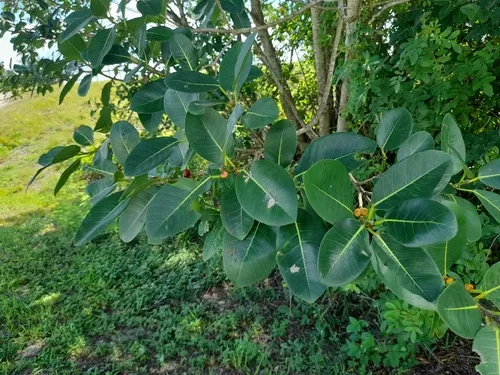
Tibig is an introduced perennial tree, found in Hawaii.
More about this plant
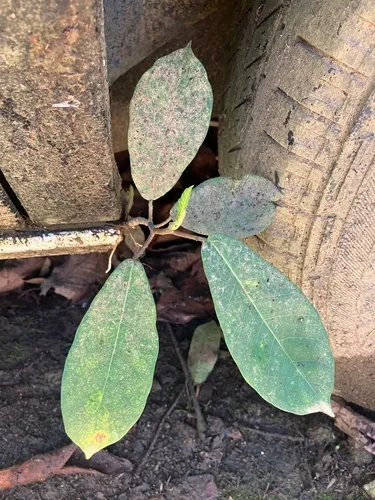
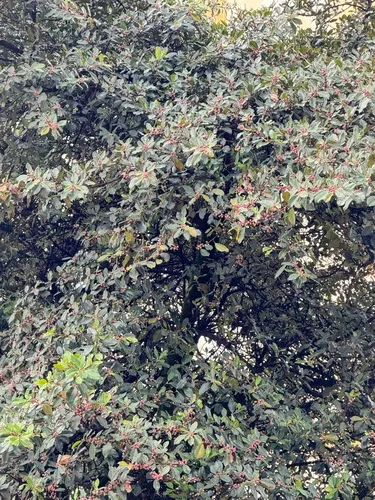
Ficus nota is a species of flowering plant in the family Moraceae. It is commonly known as tibig or sacking tree, is a species of fig tree found near water in low altitudes. Tibig is native to the Philippines. They are also found in parts of northern Borneo in Malaysia.The tree can grow up to 9 meters high. It is primarily dispersed by birds which eat the fruits and excrete the seeds. The fruits are also edible to humans, although they are rather bland. They are usually eaten with sugar and cream in the Philippines. The young leaves are also eaten as a vegetable. Wikipedia →
Growing & care
USDA PLANTS · TRY- Lifespan
- Perennial
Wildlife & pollinators
How pollinator value is scored →❧ Caterpillar hosts ~8 caterpillar species
Ficus supports ~8 caterpillar species.
Native butterfly & moth caterpillars are the base of the terrestrial food web — most songbirds rear their young almost entirely on them. As a host for native Lepidoptera this is a modest genus for introduced plants — native genera typically support far more.
Recorded feeding on Ficus in North America, including:


+ 8 more species → ↑ show fewer


Related plants
More Ficus →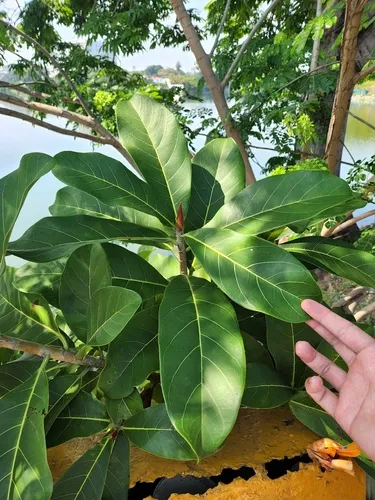
Sources for this entry (12) Open & cited
Cite this page Open data, please attribute
PlantKey’s data is open under CC BY-SA 4.0 — free to reuse and adapt, with attribution and the same licence. Photos keep their own per-image licence + credit (see Sources above).
Loading…
BibTeX
Loading…