
Ever-flowering Gladiolus Gladiolus tristis
Ever-flowering Gladiolus is an introduced perennial herb, found in the lower 48 states.
More about this plant
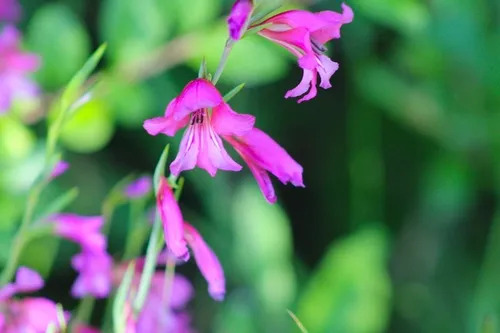
Gladiolus tristis is a species of gladiolus known by several common names, including ever-flowering gladiolus and marsh Afrikaner. It is native to southern Africa, especially South Africa. It is known in parts of Australia and coastal California as an introduced species. It is sometimes grown as a garden plant. This gladiolus typically grows one half to one metre in height, but has been known to approach 1.5 metres tall. It grows from a corm one or two centimetres wide. It produces three narrow, sheathing leaves. The inflorescence is a spike of two to eight large, fragrant blooms. Each flower has six white or cream tepals with greenish or purplish midlines. The flowers are said to have a scent similar to carnations and cloves. Not all individuals possess scent because the allele for its presence is recessive in relation to the allele for its absence. Wikipedia →
Growing & care
USDA PLANTS · TRY- Hardiness
- ≥ zone 11 derived from its U.S. range
- Lifespan
- Perennial
Wildlife & pollinators
How pollinator value is scored →❧ Caterpillar hosts ~17 caterpillar species
Gladiolus supports ~17 caterpillar species.
Native butterfly & moth caterpillars are the base of the terrestrial food web — most songbirds rear their young almost entirely on them. As a host for native Lepidoptera this is a moderate genus for introduced plants — native genera typically support far more.
Recorded feeding on Gladiolus in North America, including:


+ 8 more species → ↑ show fewer


Related plants
More Gladiolus →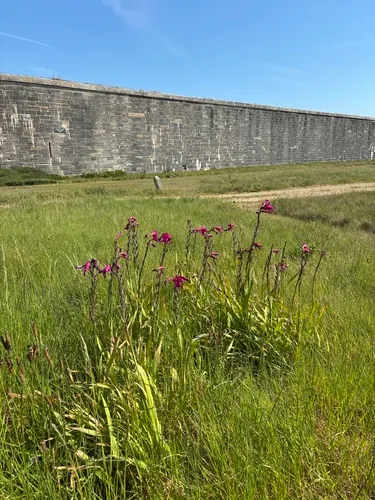
Sources for this entry (11) Open & cited
Cite this page Open data, please attribute
PlantKey’s data is open under CC BY-SA 4.0 — free to reuse and adapt, with attribution and the same licence. Photos keep their own per-image licence + credit (see Sources above).
Loading…
BibTeX
Loading…