
Latin American Mock Vervain Glandularia tenera
Latin American Mock Vervain is an introduced perennial shrub, found in the lower 48 states.
More about this plant
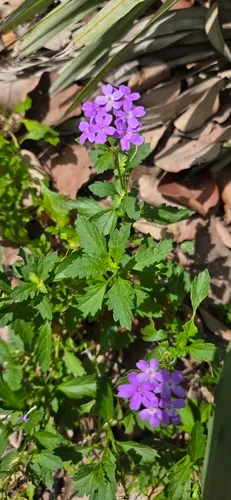
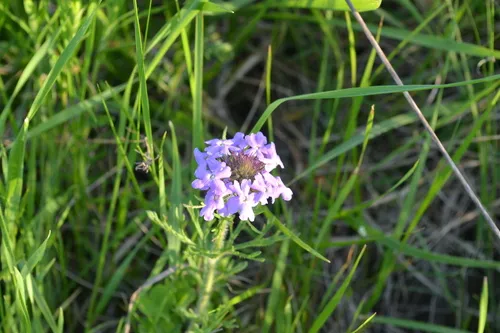
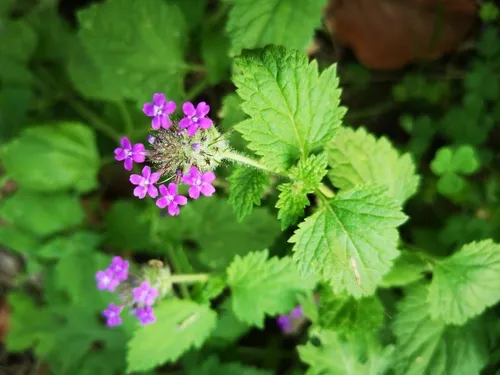
Verbena tenera, commonly known as South American mock vervain, is a species of flowering plant in the verbena family. It is native to Brazil, Argentina, and Uruguay, and it is present elsewhere as an introduced species and roadside weed. It is an annual or perennial herb producing one or more stems growing decumbent to erect in form and hairy to hairless in texture. The rough-haired leaves are divided deeply into lobes. The inflorescence is a dense, headlike spike of many flowers up to 1.5 centimeters wide. Each flower corolla is up to 1.4 centimeters wide and white to purple in color. Wikipedia →
Growing & care
USDA PLANTS · TRY- Hardiness
- ≥ zone 9 derived from its U.S. range
- Lifespan
- Perennial
Related plants
More Glandularia →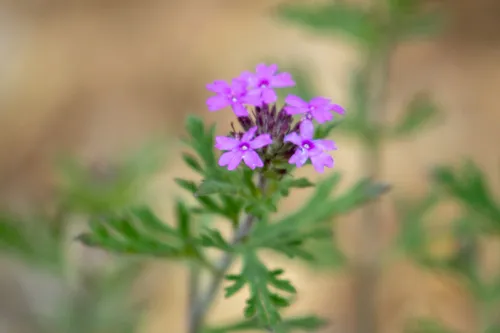
Sources for this entry (9) Open & cited
Cite this page Open data, please attribute
PlantKey’s data is open under CC BY-SA 4.0 — free to reuse and adapt, with attribution and the same licence. Photos keep their own per-image licence + credit (see Sources above).
Loading…
BibTeX
Loading…