PlantKey Open ecological atlas
Planner
Home / Browse / Harpullia / Tulip-wood Tree
iNaturalist — CC, credited & licensed per image
Sapindaceae family

Tulip-wood Tree Harpullia arborea

Also known as: Tulipwood Tree · Uas

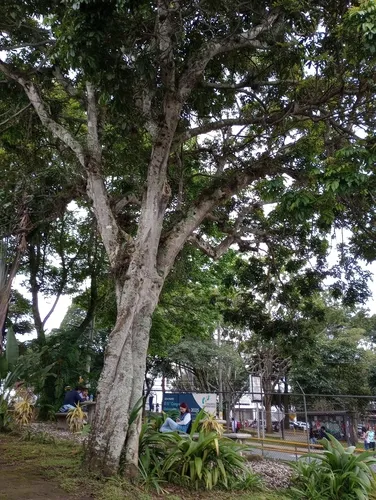
Tulip-wood Tree is an introduced perennial tree, found in the lower 48 states.

More about this plant

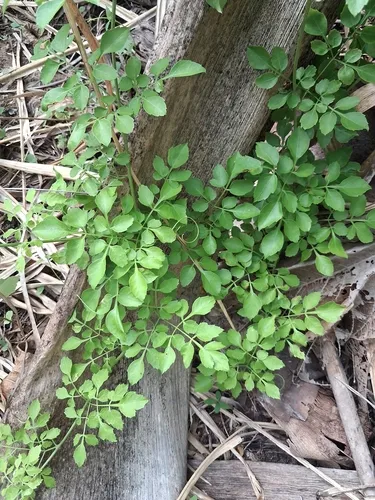
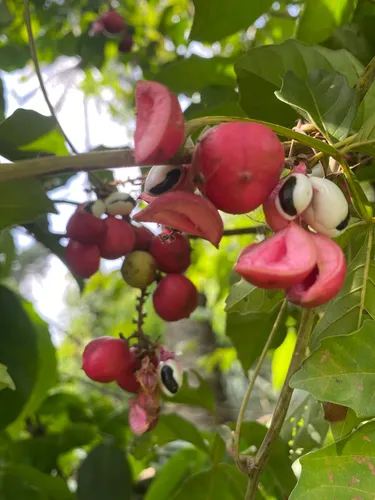
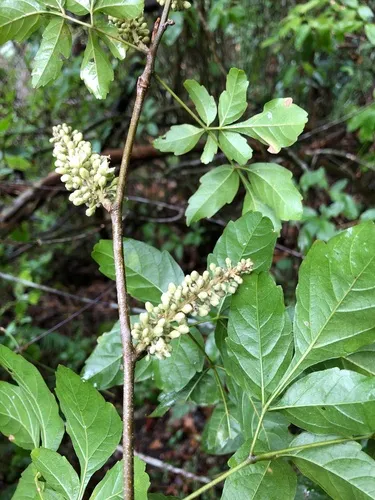
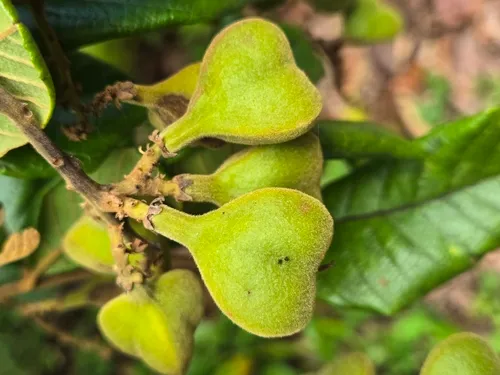
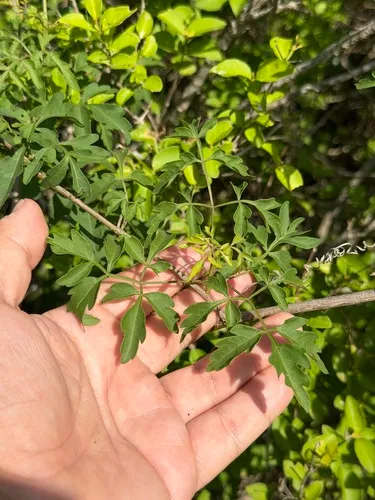
Harpullia arborea, commonly known as Cooktown tulipwood in Australia, is species of flowering plant in the family Sapindaceae is native to the Indian subcontinent, Sri Lanka throughout Mainland Southeast Asia and Malesia to Queensland in Australia and the Western Pacific. It is a tree with paripinnate leaves with 6 to 10 leaflets, small pink or pale green flowers arranged in leaf axils or on old woody stems, and orange-yellow to red capsules containing shiny black seeds. Wikipedia →

Growing & care

USDA PLANTS · TRY
Conditions
Sources · Conditions
Cold hardiness (derived) — Hardiness
Hardiness
≥ zone 11 derived from its U.S. range
Size & form
Sources · Size & form
USDA PLANTS — Lifespan
TRY Plant Trait Database (CC BY 4.0) — Foliage
Lifespan
Perennial
Foliage
Evergreen broadleaf
In the garden
Tree layer (canopy / understory) — Sits in the tree of a layered food forest or polyculture.Open guide →
derived roles
Species characteristics from USDA PLANTS (public domain) + TRY (CC BY) — general guidance, not a guarantee for your exact site. Deer "browsing" is documented palatability, not a deer-proof claim.
Sources for this entry (14) Open & cited
[01] Scientific name & family — USDA PLANTS (DwCA, Zenodo 17903503)
[02] Growth habit & duration — USDA PLANTS (DwCA, Zenodo 17903503)
[03] Native status & distribution — USDA PLANTS (DwCA, Zenodo 17903503)
[04] Common name — USDA PLANTS (via GBIF)
[05] Invasive / introduced status — US-RIIS v2.0 (USGS)
[07] Description — Wikipedia (CC BY-SA)
[08] Ecological value — GloBI
[10] Functional traits — TRY Plant Trait Database (CC BY 4.0)
[11] Cold hardiness (derived) — Derived from U.S. range × USDA PHZM zones
[13] Other common names — Wikidata (CC0)
[14] County range — GBIF Open Data — open-licensed occurrences (CC0/CC-BY) → county
Spot an error or have a better photo? Every field links to its source, and the whole dataset is open.
Cite this page Open data, please attribute

PlantKey’s data is open under CC BY-SA 4.0 — free to reuse and adapt, with attribution and the same licence. Photos keep their own per-image licence + credit (see Sources above).

Citation

Loading…

BibTeX
Loading…