
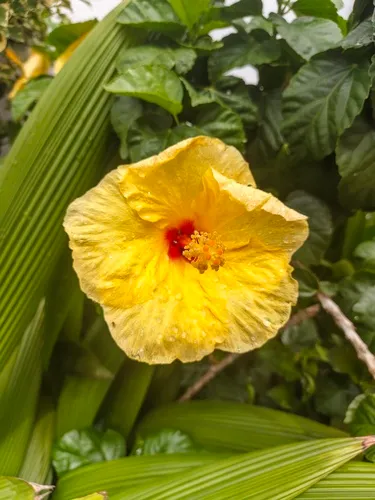
Lemonyellow Rosemallow Hibiscus calyphyllus
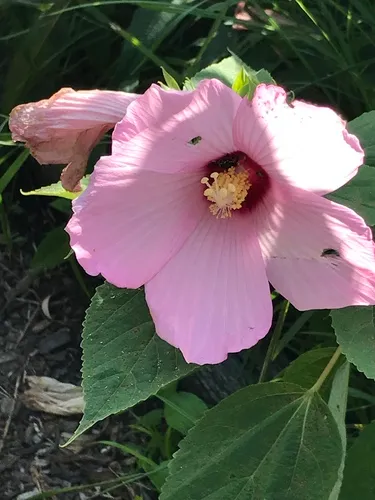
Lemonyellow Rosemallow is an introduced perennial tree, found in Hawaii. It grows to 10 ft.
More about this plant
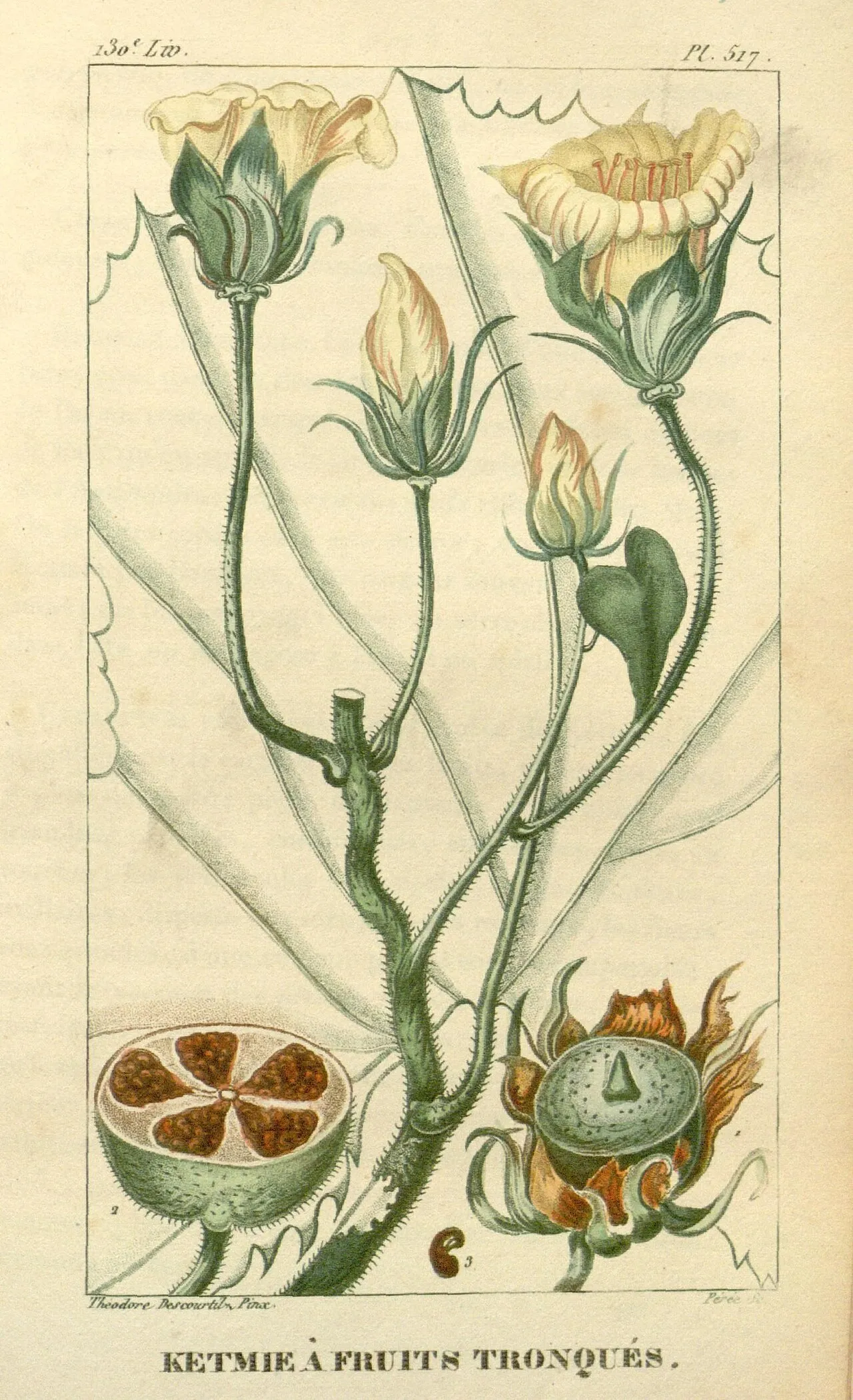
Hibiscus calyphyllus, the lemonyellow rosemallow, is a shrub from tropical Africa belonging to the genus Hibiscus. In 1883 this Hibiscus was offered for sale in England under the name Hibiscus chrysanthus with Port Natal, Cape Colony, identified as the source. By 1891 the same Hibiscus was identified as Hibiscus chrysantha in the United States, a practice which may have continued into the 1930s and contributed to incorrect species identification. In 1892 the name Hibiscus calycinus was designated as the correct name for the species; but, by 1894 the currently accepted name Hibiscus calyphyllus is found in association with Hibiscus calycinus. At the beginning of the 20th century, this Hibiscus was sold as seeds in the United States under the name Hibiscus Giant Yellow. Because of the similarity of the flowers, it is quite common to find Abelmoschus manihot confused with Hibiscus calyphyllus in the early 20th century gardening literature of the United States, particularly in the area of cold tolerance. If the species identification is correct, the 1903 report in The Flower Garden states that: "Giant Yellow is a beautiful canary yellow with crimson throat, hardy as far north as St. Louis, but safer in the cellar above that latitude", then Hibiscus calyphyllus may have some degree of cold tolerance. St. Louis, Missouri is in USDA Zone 6a but there are currently no reports of Hibiscus calyphyllus overwintering in USDA Zone 6a; it is known to overwinter successfully in USDA Zone 8a. Wikipedia →
Growing & care
USDA PLANTS · TRY- Height
- 10 ft
- Lifespan
- Perennial
- Foliage
- Broadleaf
Wildlife & pollinators
How pollinator value is scored →❧ Caterpillar hosts ~20 caterpillar species
Hibiscus supports ~20 caterpillar species.
Native butterfly & moth caterpillars are the base of the terrestrial food web — most songbirds rear their young almost entirely on them. As a host for native Lepidoptera this is a moderate genus.
Recorded feeding on Hibiscus in North America, including:


+ 8 more species → ↑ show fewer


✦ Bees specialist-bee host
Specialist native bees depend on it.
Some native bees are pollen specialists (oligolectic) — they raise young only on pollen from particular plant genera. Hibiscus is a recorded specialist-bee host, so losing it can mean losing the bee that relies on it.
Related plants
More Hibiscus →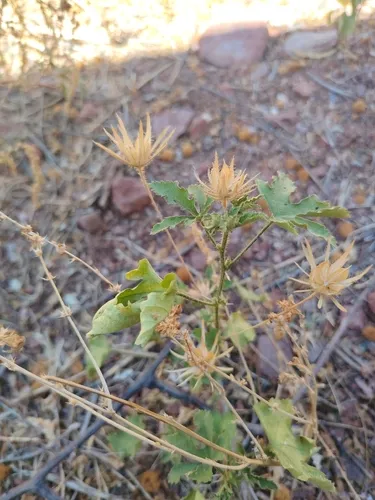
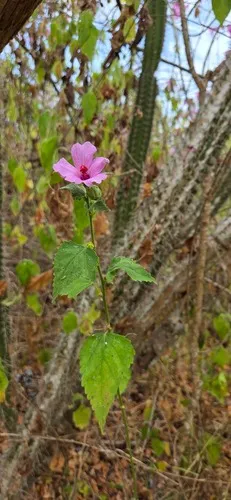
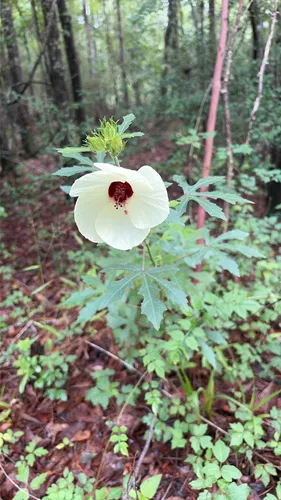
How we know this (1) Methods & honest limits
A recorded categorical fact: each species is tagged C3 (standard), C4 (heat/water-efficient) or CAM (succulent, night-time CO₂ uptake) — or a facultative combination. We only show a trait card for the noteworthy C4/CAM cases; C3 is the unremarkable majority, kept in the data but not surfaced as a card.
Sources for this entry (15) Open & cited
Cite this page Open data, please attribute
PlantKey’s data is open under CC BY-SA 4.0 — free to reuse and adapt, with attribution and the same licence. Photos keep their own per-image licence + credit (see Sources above).
Loading…
BibTeX
Loading…