
© igor_yatsenko · CC BY-NC
iNaturalist — CC, credited & licensed per image
Pictured: Honckenya peploides — the species. This subspecies isn’t separately illustrated.
Caryophyllaceae family
Seaside Sandplant (subsp. major) Honckenya peploides subsp. major subspecies
Native
Seaside Sandplant (subsp. major) is a perennial wildflower native to Alaska, Canada, and the lower 48 states.
More about this plant
Honckenya peploides, the sea sandwort (UK) or seaside sandplant (Canada), is the only species in the genus Honckenya of the plant family Caryophyllaceae. Other common names include sea chickweed, sea pimpernal, sea-beach sandwort, and sea purslane. The scientific name is often spelled "Honkenya", and is named after the German botanist Gerhard August Honckeny. This plant has a circumboreal distribution. Wikipedia →
Growing & care
USDA PLANTS · TRY Conditions
Sources · Conditions
Cold hardiness (derived) — Hardiness
- Hardiness
- ≥ zone 9 derived from its U.S. range
Size & form
Sources · Size & form
USDA PLANTS — Lifespan
- Lifespan
- Perennial
In the garden
Herb layer — Sits in the herb of a layered food forest or polyculture.Open guide →
derived roles
Species characteristics from USDA PLANTS (public domain) + TRY (CC BY) — general guidance, not a
guarantee for your exact site. Deer "browsing" is documented palatability, not a deer-proof claim.
Related plants
More Honckenya →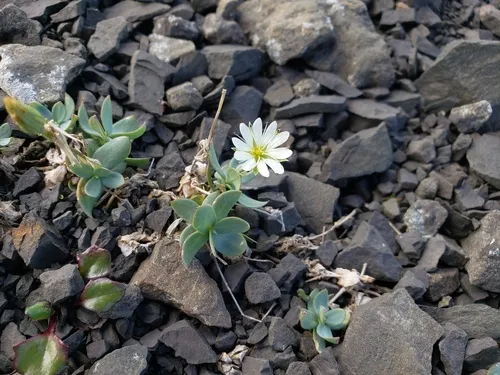
Native
Alaska Starwort
Stellaria alaskana
●●○○○ 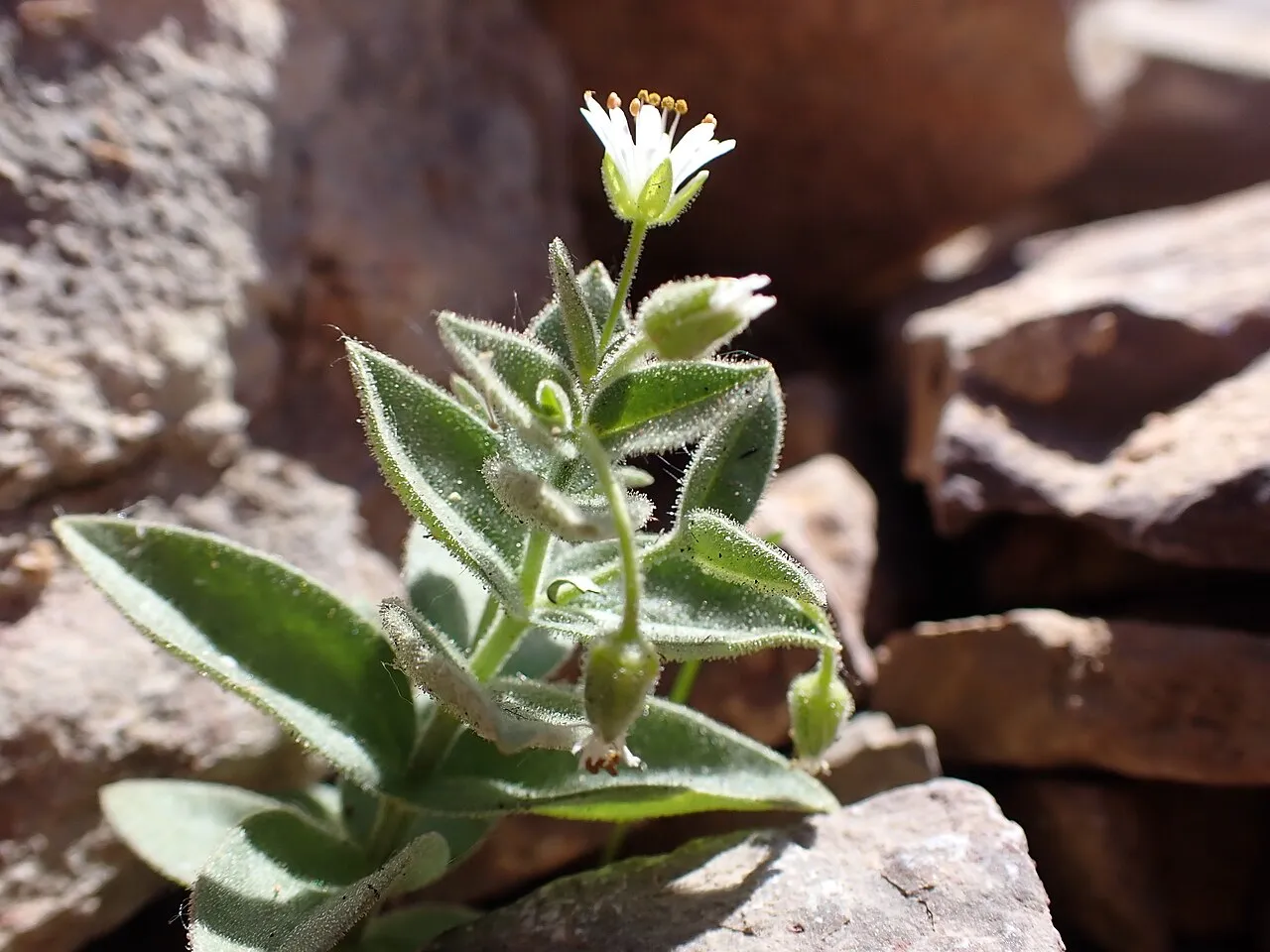
Native
American Chickweed
Stellaria americana
●●○○○ 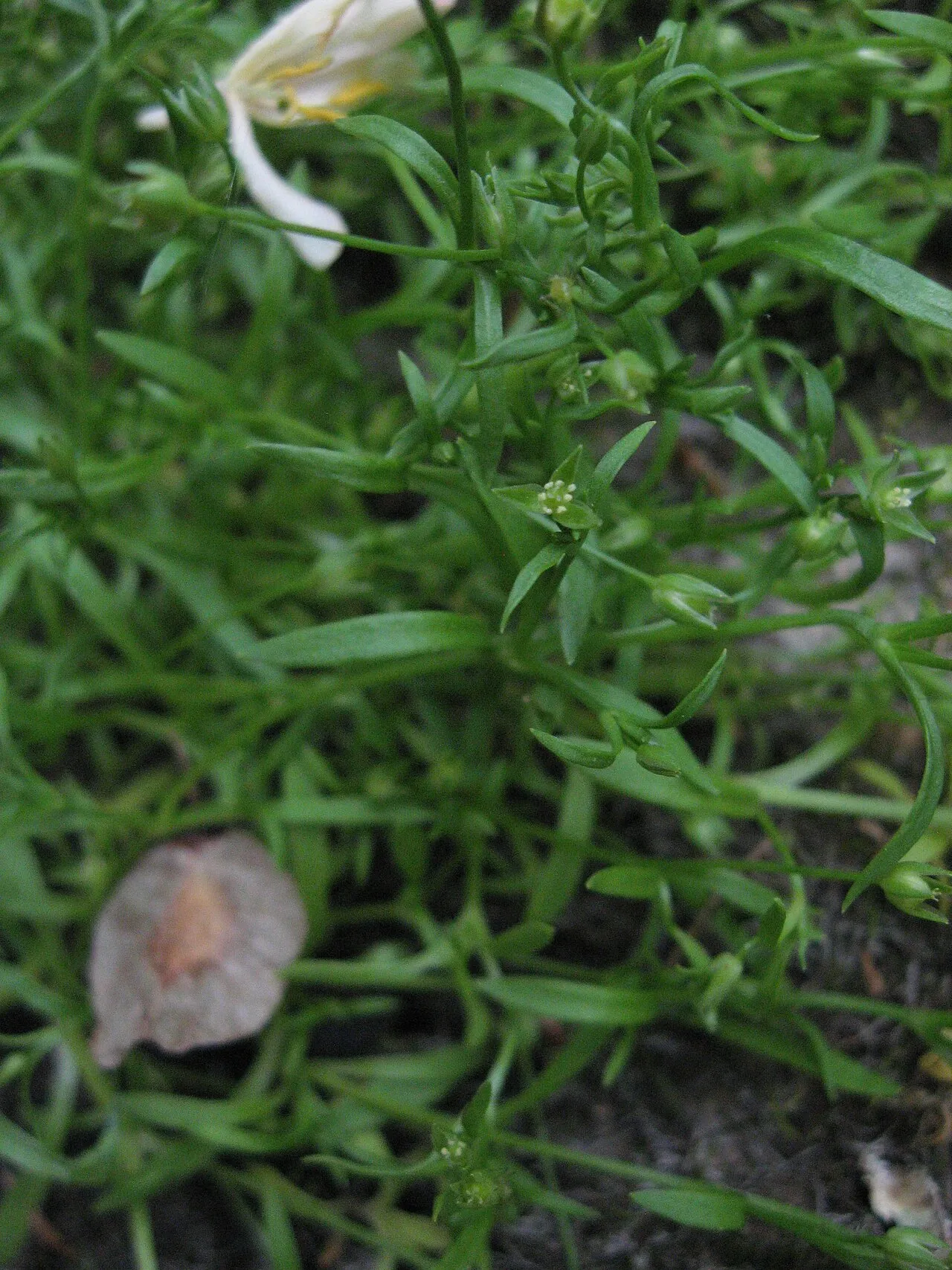
Native
American Water Starwort
Stellaria fontinalis
●●○○○ 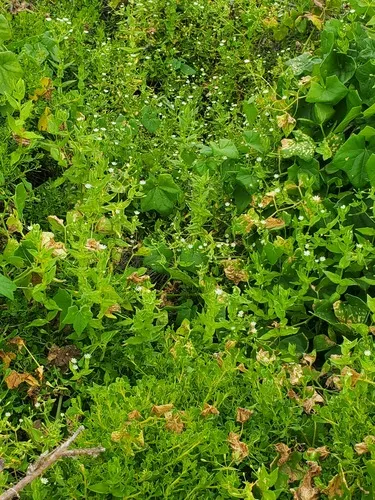
Native
Beach Starwort
Stellaria littoralis
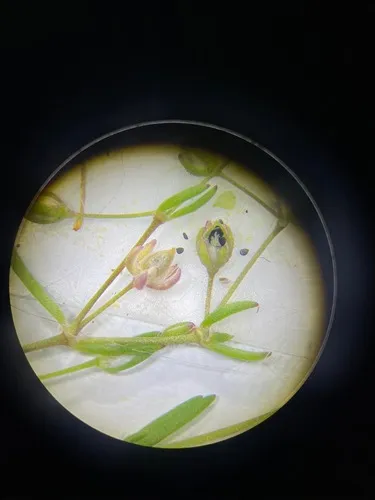
●●○○○ 
Native
Blackseed Sandspurry
Spergularia atrosperma
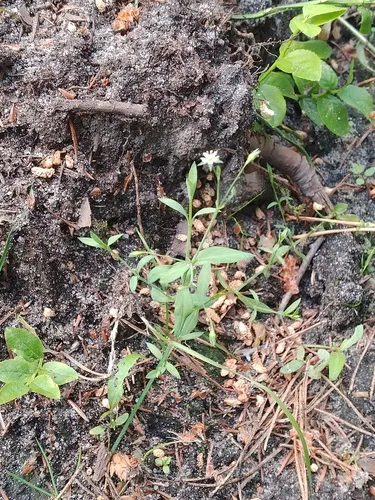
●●○○○ 
Native
Bog Chickweed
Stellaria alsine
●●○○○ Same genus / family, ranked by ecological value — from the PlantKey catalog
Sources for this entry (10) Open & cited
[01] Scientific name & family — USDA PLANTS (DwCA, Zenodo 17903503)
[02] Growth habit & duration — USDA PLANTS (DwCA, Zenodo 17903503)
[03] Native status & distribution — USDA PLANTS (DwCA, Zenodo 17903503)
[04] Common name — USDA PLANTS (via GBIF)
[05] Invasive / introduced status — USDA PLANTS (DwCA, Zenodo 17903503) — native status
[06] Description — Wikipedia (CC BY-SA)
[07] Conservation rank — NatureServe Explorer (CC BY)
[08] Cold hardiness (derived) — Derived from U.S. range × USDA PHZM zones
[09] Chromosomes — ChromoDB — IAPT/IOPB chromosome data series (Zenodo, CC BY 4.0)
Spot an error or have a better photo? Every field links to its source, and the whole dataset is open.
Cite this page Open data, please attribute
PlantKey’s data is open under CC BY-SA 4.0 — free to reuse and adapt, with attribution and the same licence. Photos keep their own per-image licence + credit (see Sources above).
Citation
Loading…
BibTeX
Loading…