
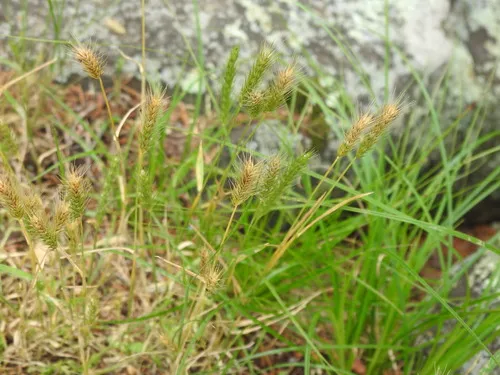
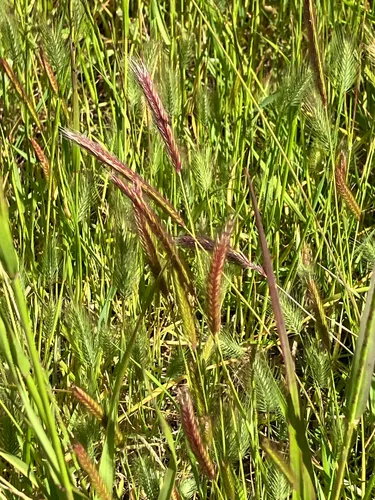
Mediterranean Barley (subsp. gussoneanum) Hordeum marinum subsp. gussoneanum subspecies
Mediterranean Barley (subsp. gussoneanum) is an introduced annual grass, found in Canada and the lower 48 states.
More about this plant
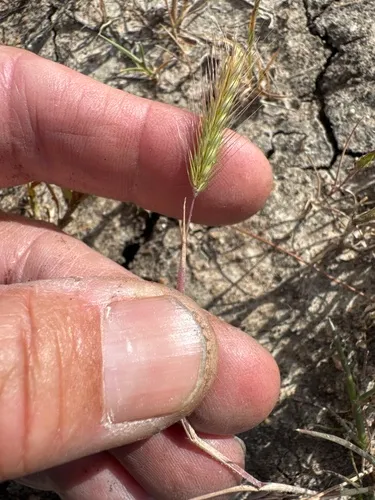
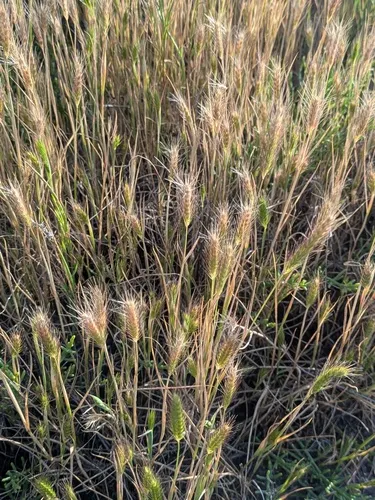
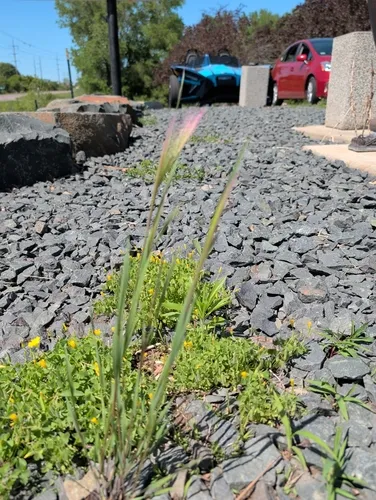
Hordeum marinum, commonly known as sea barley or Mediterranean barley, is a species of flowering plant in the grass family Poaceae that grows on bare ground on the shores of Europe and North Africa. It is also found in inland salt flats such as the Pannonian grasslands of Hungary, and it is widely established outside its range in temperate regions of both the north and south hemispheres. It is an annual, producing copious seed when habitat conditions are right, but not persisting in competition with other species. Although it is a relative of an important crop species, it has no uses itself. Wikipedia →
Growing & care
USDA PLANTS · TRY- Hardiness
- ≥ zone 6 derived from its U.S. range
- Lifespan
- Annual
Wildlife & pollinators
How pollinator value is scored →❧ Caterpillar hosts ~18 caterpillar species
Hordeum supports ~18 caterpillar species.
Native butterfly & moth caterpillars are the base of the terrestrial food web — most songbirds rear their young almost entirely on them. As a host for native Lepidoptera this is a moderate genus.
Recorded feeding on Hordeum in North America, including:


+ 8 more species → ↑ show fewer


Related plants
More Hordeum →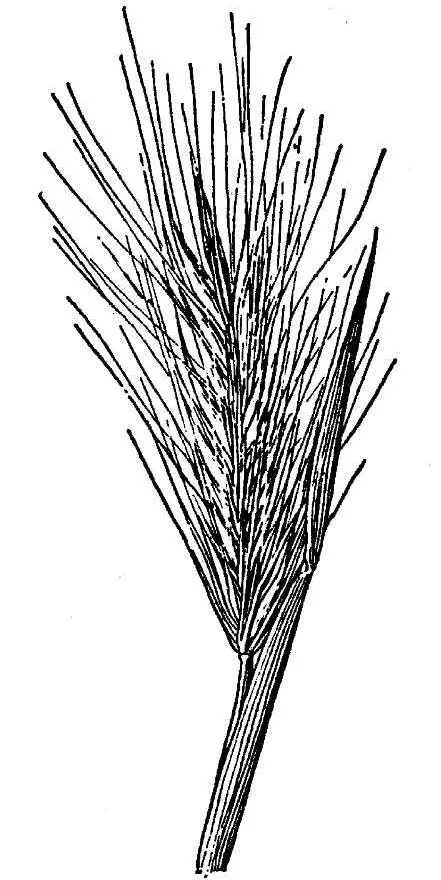
Sources for this entry (12) Open & cited
Cite this page Open data, please attribute
PlantKey’s data is open under CC BY-SA 4.0 — free to reuse and adapt, with attribution and the same licence. Photos keep their own per-image licence + credit (see Sources above).
Loading…
BibTeX
Loading…